Oil has fallen in price by almost 3% over the day. Brent has the weakest annual dynamics since 2020
Peace progress in Ukraine could reduce risks to Russia's supply of commodities

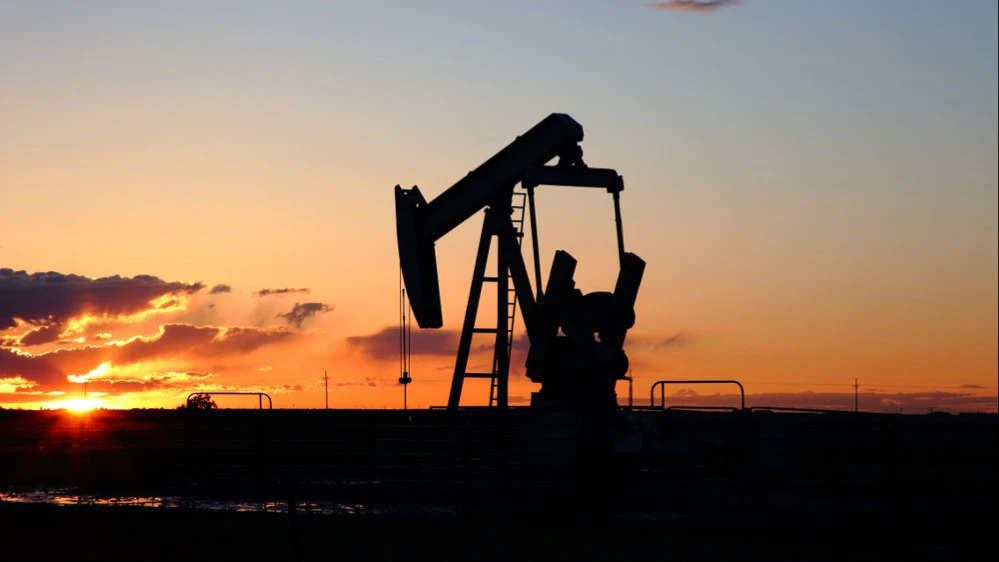
World oil prices fell nearly 3 percent on Dec. 16 due to progress in the peace process in Ukraine and traders' concerns about oversupply, CNBC wrote.
Details
The cost of contracts for delivery of Brent oil fell by 2.8% - to $58.83 per barrel. Futures on the U.S. oil Mark West Texas Intermediate (WTI) fell by 2.9% - to $55.15 per barrel. WTI fell to its lowest level since February 2021, when the market was recovering from the Covid-19 pandemic, CNBC noted. U.S. crude has lost about 23% since the start of the year, posting its worst performance since 2018. Brent has fallen about 21% over the same period: its weakest annual performance since 2020, the channel added.
What's driving the market
Falling oil prices may indicate a slowing economy, says CNBC. On Tuesday, the U.S. released labor market data: the country added 64,000 jobs in November, down from 105,000 in October. The unemployment rate reached 4.6%, a four-year high. In addition, the oil market has been under pressure this year due to the fact that OPEC+ countries have sharply increased production after a multi-year period of restrictions, the channel writes.
Investors are also pricing in a reduction in geopolitical risks amid news of progress in the peace process in Ukraine. For example, Ukrainian President Vladimir Zelensky admitted the country's readiness to abandon its aspirations to join NATO. US President Donald Trump, for his part, said on Monday, December 15, that after "long and very good negotiations" with US representatives and European leaders, Russia and Ukraine are, in his opinion, "closer than ever" to ending the conflict.
The oil market has been threatened by supply disruptions since 2022, Kiev has repeatedly launched drone strikes on Russian oil infrastructure in 2025, and the US and its European allies have in turn imposed sanctions on the Russian oil industry, CNBC explained. However, if a peace agreement is reached, Ukraine is likely to stop the attacks and Washington will lift the sanctions, said Jorge Leon, head of geopolitical analysis at Rystad Energy.
"This will significantly reduce the risk of Russian oil supply disruptions in the short term and will allow significant volumes of oil stored on tankers to be returned to the market," Leon said. Rystad estimates that there are currently about 170 million barrels of Russian oil in floating storage.
The lifting of US sanctions will also change the incentives for OPEC+, the expert added. According to him, the alliance, which has suspended its strategy of aggressive production increase, may return to the fight for market share if geopolitical factors soften.
This article was AI-translated and verified by a human editor