One step forward, two back: US indices retreat from highs amid escalation in Iran

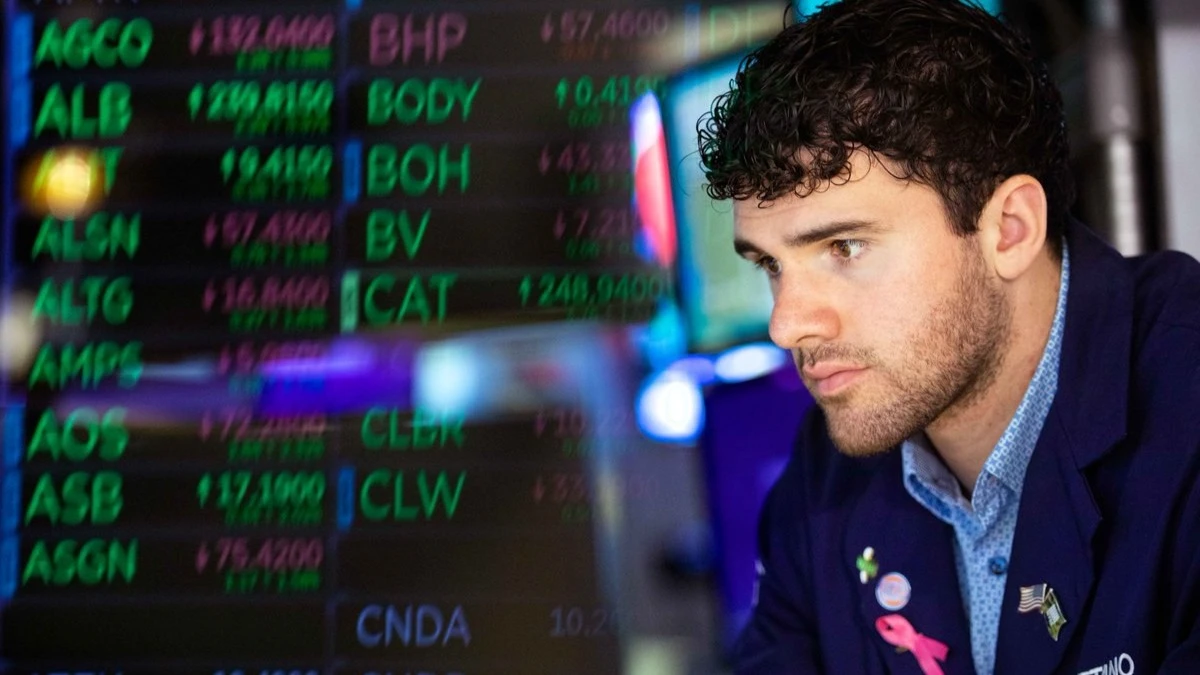
Photo: X / NYSE
U.S. stock indices began trading on April 20 in the red zone: after the de-escalation of the situation in the Middle East last week and the subsequent records of the S&P 500 and Nasdaq Composite, fears that the ceasefire agreement between the U.S. and Iran may be broken intensified over the weekend, writes Reuters.
Details
- Against this background, the broad index of American shares S & P 500 retreated from record values and in the first minutes of trading lost 0.27%, technological Nasdaq Composite fell by 0.45%. The blue-chip index Dow Jones lost 0.1%, then - briefly even went into the green zone, adding 0.05%, but after a few minutes lost this slight growth. The index of small and medium capitalization companies Russell 2000 jumped by 2.11% in the first minutes of trading, but then followed the other stock indices in its dynamics - and 15 minutes after the beginning of the session it was already in the negative by 0.28%.
- Meanwhile, Brent crude oil with delivery in June is gaining about 4% against Friday's close - trading at $94.17 per barrel. Contracts for North American WTI are also up 5% at $88 per barrel.
- The VIX Volatility Index, also known as the "Wall Street Fear Index," jumped nearly 8% on April 20, to nearly 19 - its values above 20 indicate heightened market volatility.
- Spot gold is down 0.24% to $4818.94 an ounce, reflecting inflationary risks associated with the ongoing energy shock.
What the analysts are saying
"Last weekend saw one step forward and two steps backward on the road to de-escalation in the Middle East," commented Derren Nathan, head of equity analysis at Hargreaves Lansdown (quoted by Bloomberg).
"Markets are once again facing a rapidly changing situation in the Middle East, with the last 48 hours bringing both optimism and new concerns," observed Daniela Hathorn, senior market analyst at Capital.com. Market participants feel "at a crossroads," she pointed out.
In addition to events related to the war in the Middle East, traders will be watching the publication of macroeconomic data in the U.S. this week, including retail sales, initial jobless claims and consumer sentiment. Also on Tuesday, April 21, the U.S. Senate will hold a hearing to confirm Kevin Warsh's nomination to head the Federal Reserve. "This event will have a significant impact on the market," emphasized Kathleen Brooks of XTB. "Investors and traders will be eagerly awaiting what Warsh has to say about inflation and [his vision for] the direction of monetary policy."
Context
On Friday, April 17, Iran announced its readiness to open the Strait of Hormuz to commercial vessels, but the next day it again closed the waterway in response to the ongoing U.S. blockade of Iranian ports and vessels. Reuters then reported Iran's shelling of several tankers in the Strait of Hormuz. The U.S. military, responding to these moves, announced on April 19 that it had captured and damaged an Iranian cargo ship that was allegedly attempting to break their blockade.
This article was AI-translated and verified by a human editor