OpenAI introduced GPT-5.5 two months after the previous release. What does this mean?

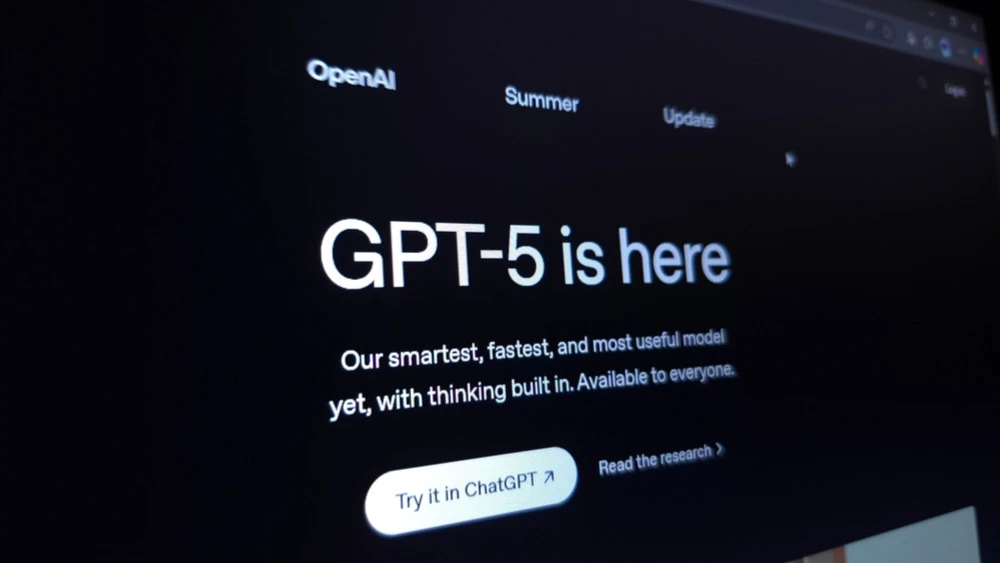
OpenAI says the new GPT model poses no direct threat to cybersecurity / Photo: Nwz / Shutterstock.com
AI developer OpenAI on Thursday unveiled a new artificial intelligence model, GPT-5.5, that the company says is better able to handle programming and tasks that require more in-depth research.
"What's really special about this model is how much more it can do with less guidance," OpenAI President Greg Brockman said during a briefing with reporters Thursday. - It can look at a vaguely defined problem and figure out for itself exactly what needs to be done next. I really think it lays the foundation for how we're going to use computers and how we're going to work with computers in the future."
GPT-5.5 has been made available to Plus, Pro, Business and Enterprise plan users through the ChatGPT apps and in the Codex programming agent. The company said the model will also appear in its API "in the very near future," but that it requires "other protective measures."
As recently as last week, OpenAI said it had made improvements to the Codex model, an offshoot of GPT-5.4 for programmers. Less than two months have passed since the release of GPT-5.4, indicating a significant industry-wide acceleration in AI development, CNBC notes. OpenAI is trying to keep up with competitors including Google and Anthropic, whose latest Claude Mythos Preview impressed Wall Street even before its official release because it can find critical threats in server and application cyber defenses. It hasn't even been released to the public yet: its hacking skills have been deemed too dangerous for public use.
OpenAI emphasized that GPT-5.5 does not cross the threshold of a "critical" cybersecurity risk that could open "unprecedented new pathways to serious harm," but it meets the criteria for a "high" risk category that could "amplify existing pathways to serious harm."
"GPT-5.5 has undergone extensive independent testing of defense mechanisms and stress tests for cyber and biorisk. In addition, in recent months, we have been strengthening our defenses against cyber threats as increasingly powerful models become available," CNBC quoted OpenAI Vice President of Research Ma Glese as saying.
OpenAI and Anthropic are in a fierce battle for corporate customers. They need to convince more and more companies to pay for their software to offset the huge cost of creating more advanced systems, Bloomberg writes. Both companies are now focused on releasing AI software for programming, cybersecurity and scientific research. Both OpenAI and Anthropic are expected to launch IPOs as early as this year, forcing them to more aggressively grow revenue, the agency notes.
This article was AI-translated and verified by a human editor