OpenAI partner stocks had their strongest jump in 6 years. They caught up with the AI rally
Investors in Japan's stock market made up for lost ground over the long May holidays
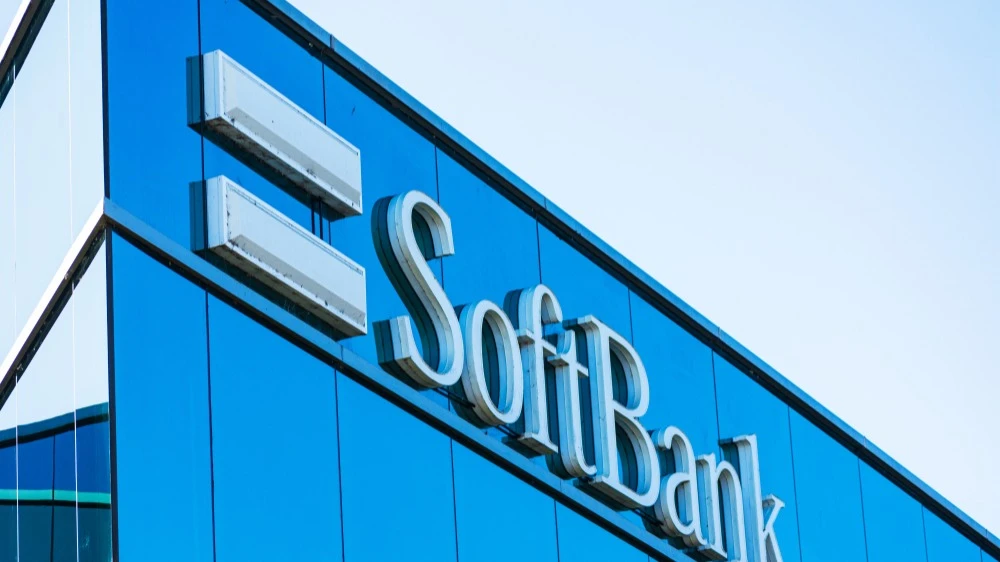
The May 7 trading session in Tokyo was SoftBank's best since 2020/ Photo: Michael Vi / Shutterstock.com
Quotes of Japanese investment giant SoftBank, the owner of Arm and OpenAI's partner in the $500 billion data center construction project, jumped in Tokyo trading after a prolonged holiday. Investors' eagerness to catch up with the global rally in the artificial intelligence sector drove Japan's stock market to new highs.
Details
Quotes SoftBank rose by 18%. The trading session was the best for the company since 2020, CNBC points out. Shares of electronics manufacturer Ibiden, a supplier to Intel and Nvidia, jumped more than 22%. Shares of Advantest, a developer of chip testing systems, gained 8%, while Tokyo Electron, a leading exporter of semiconductor manufacturing equipment, gained nearly 9%.
On May 7, the Tokyo Stock Exchange opened after the "Golden Week" vacation, a block of holidays from Ma 2 to 6: Constitution Day, Green Day and Children's Day plus the adjacent weekends. On Ma. 6, major Asian equity markets, including those in South Korea and Taiwan, rallied after signals from Washington about the chances of a quick end to the conflict in the Middle East. The positive momentum was then reinforced by a surge in AI-related U.S. securities, driving the S&P 500 and Nasdaq indices to records. As a result, Japan's Nikkei 225 index soared 6% in trading to a new intraday high, Nikkei Asia reported.
What the analysts are saying
"Japanese platforms were idle in the second half of Golden Week, while global risk assets were booming, so today's dynamics is an attempt by the Nikkei index to recoup the results of three trading sessions at once in one," said Billy Leung, investment strategist at Global X ETFs. According to him, Advantest and Tokyo Electron are "the most liquid Japanese stocks to participate in the global semiconductor AI rally".
The rise in the Japanese stock market is largely a continuation of the rally in the U.S. AI sector, stated Rolf Buelk, analyst of The Futurum Group. In addition, the market reacted to AMD's quarterly report: according to Buelk, the chipmaker's strong performance allows making "direct conclusions about Arm's prospects".
What's next?
Fresh estimates for the Japanese market are generally positive, although analysts are increasingly making reservations about risks. JPMorgan Chase in April raised its year-end benchmark for the Nikkei 225 index to 70,000 points, attributing this to demand for AI technology and a weak yen. Nomura Asset Management then also called 61,000 points by year-end a strong scenario for the Nikkei, but after today's jump above 63,000 points, that estimate is effectively obsolete. UBS SuMi Trust gave a more cautious signal: it lowered its forecast for Japanese corporate earnings growth for the year to March 2027 from 11% to 7%, citing risks from expensive oil and Japan's dependence on Middle Eastern supplies.
This article was AI-translated and verified by a human editor