Oracle bondholders sue the company over the securities' depreciation
The company is ramping up its debt load to deploy AI power for OpenAI, but it's worrying investors

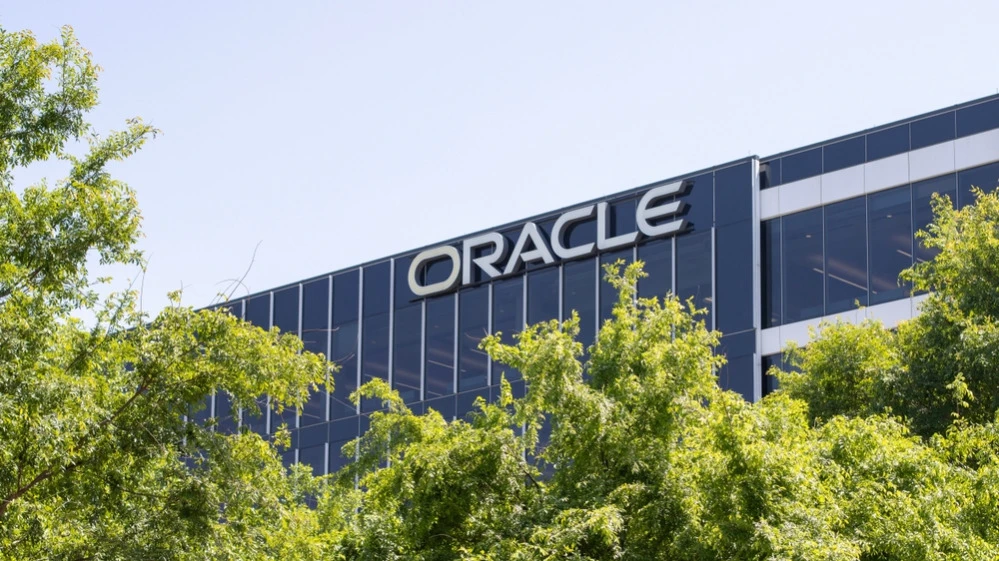
Oracle's $18 billion series of bonds fell in price after the company placed another $38 billion in debt / Photo: Tada Images / Shutterstock.com
Investors who bought bonds of Oracle, the owner of cloud service and data centers for AI, have filed a class action lawsuit against the company. They claim they suffered losses because of its actions, Reuters reports. Oracle's stock plunged 4.3% in trading on Wednesday, January 14. Over the past three months, its capitalization has fallen by more than a third, including because of market fears about the company's debt boom.
Details
The lawsuit against Oracle was filed on Wednesday, January 14, in New York State District Court in Manhattan on behalf of the company's bondholders. At issue is an $18 billion offering that Oracle made on Sept. 25 - two weeks after it announced a five-year, $300 billion contract with OpenAI to supply computing capacity. The plaintiffs claim they were caught off guard when, just seven weeks after issuing that series of bonds, Oracle re-entered the capital markets to raise another $38 billion to finance the construction of two data centers under the OpenAI agreement.
When the company began placing new loans, the value of the previous series of securities fell and investors suffered losses. "The bond market reacted sharply and painfully to this additional borrowing," said the plaintiffs, quoted by Reuters. Yields and spreads became comparable to debt issued by lower-rated companies, they said. At the same time, Oracle's bonds were rated at the lower end of the investment grade range, the agency recalls.
The plaintiffs believe Oracle executives, including its co-founder, billionaire Larry Ellison, should have disclosed the extent of additional borrowing needs before the $18 billion issue. They are seeking damages, the amount not specified.
Oracle declined to comment to Reuters, and attorneys for the plaintiffs also did not respond to a request for comment.
What's going on with Oracle
Oracle shares have fallen in price by 38% over the last three months. The market fears the growth of the company's debt burden. This was overlaid by the December release of its quarterly report, in which the cloud service owner reported weaker-than-expected revenue and free cash flow. And during a conference call with investors after the release, management said capex in fiscal 2026 would be 43% higher than it had planned back in the fall, at just $50 billion. In parallel, Oracle was about to enter into $248 billion in leasing agreements to increase cloud infrastructure capacity, in addition to building its own data centers.
As of the end of November, Oracle had about $108 billion in outstanding liabilities, including bonds and other loans, according to Reuters. This debt will continue to grow, and if you add to it future payments for the lease of data centers, in 2028, the total debt will approach $300 billion, more than doubling, according to Morgan Stanley forecast.
At the same time, Wall Street is still optimistic about the prospects of the company's shares: 34 analysts out of 44 recommend buying these securities, and only one advises selling, according to MarketWatch. A month ago, there was even one less bullish rating. At the same time, the consensus target price has decreased by 13% and now stands at about $292 - this implies a 51% upside potential relative to current quotes.
This article was AI-translated and verified by a human editor