Oracle shares are down 40% after a September rally. What does Wall Street advise doing?

Oracle shares have fallen by almost 40% since September, and the company's capitalization has shrunk by more than $360 billion: the market still lacks confidence in the sustainability of the business against the backdrop of dependence on OpenAI. The fall accelerated after the report for the second quarter of the fiscal year, which did not dispel investors' concerns and only caused a new wave of revisions of forecasts by Wall Street analysts.
Details
Shares of cloud service owner and database software developer Oracle have plunged nearly 40% since September, reducing the company's market value by more than $360 billion, Yahoo Finance calculated.
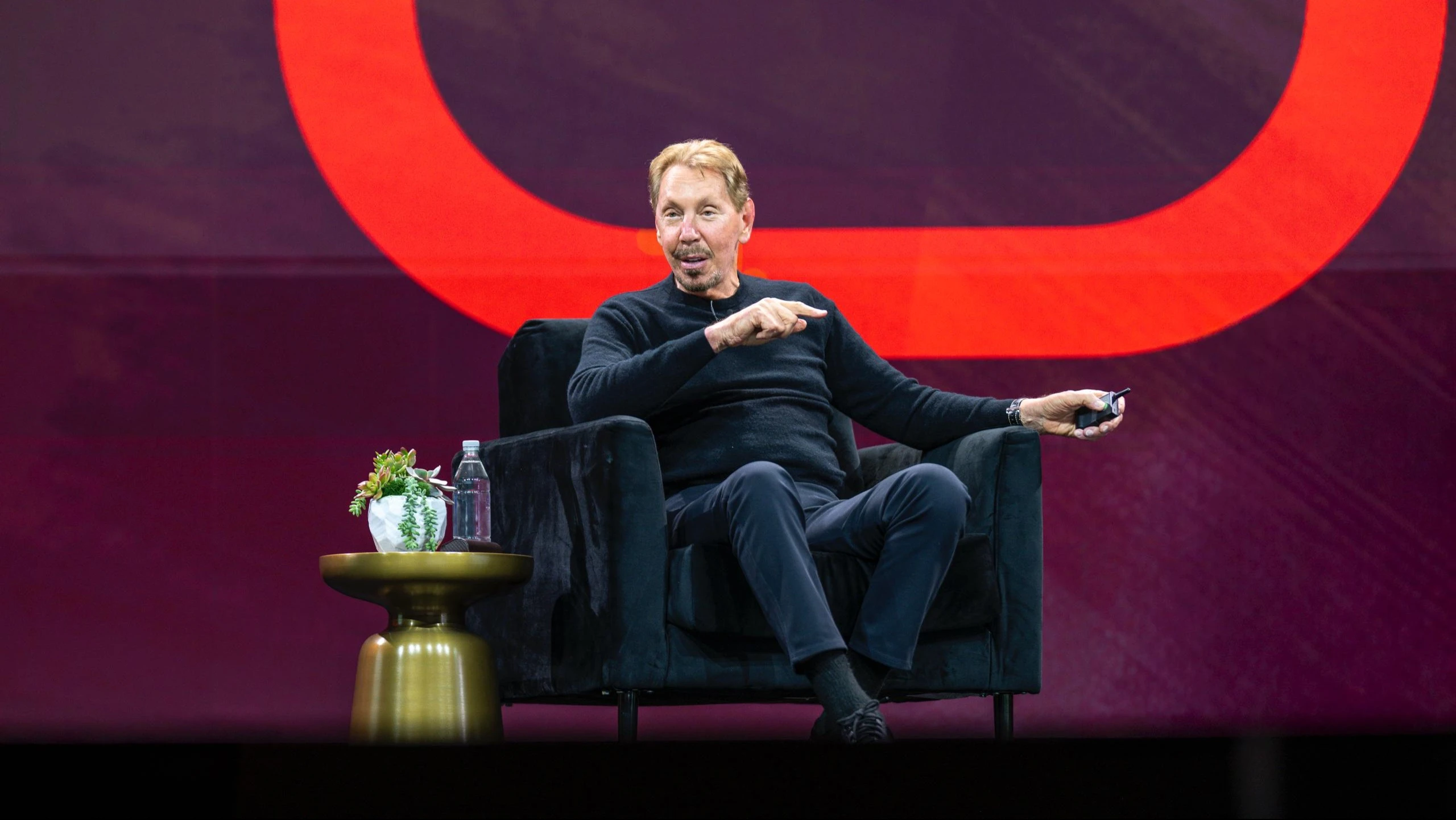
About $100 billion of this fall occurred on December 11, when the shares collapsed by almost 11% after the quarterly report: this was the worst decline for the securities in a single day since January. And the fortune of its co-founder Larry Ellison fell, according to Bloomberg, by $24.9 billion, as a result of which he dropped from the second to the third line in the ranking of the richest milliaders.
What worries investors is the extent to which Oracle and other cloud companies depend on contracts with ChatGPT developer OpenAI, Barron's notes .
What analysts are saying in the wake of the Oracle report
"In the last couple months, the market's attitude toward OpenAI has clearly taken a turn for the worse. And the OpenAI ecosystem is certainly suffering because of it," BNP Paribas analyst Stefan Slowinski told Yahoo Finance.
According to Slowinski and other Wall Street analysts, the most serious risk to Oracle is that OpenAI may not be able to pay for its massive AI infrastructure commitments.
"Oracle is in a difficult situation: it needs to build out [data center capacity] for this customer and borrow large sums to finance construction, while there remains extreme uncertainty whether the customer will be able to pay for that capacity," DA Davidson analyst Gil Luria said (quoted by Yahoo Finance). DA Davidson cut its target price on Oracle from $200 to $180, reiterating a neutral rating (essentially a "hold" advice). His target implies a 9.5% decline in the stock relative to the closing price on December 11.
At the same time, TD Cowen analyst Derrick Wood believes that even if there is a situation in which OpenAI will not be able to pay its bills, Oracle will be able to "quickly enough to repurpose these facilities for other customers". TD Cowen reiterated its "buy" recommendation on the company's stock, but lowered Oracle's target price from $400 to $350. That implies a 76% rise in the stock relative to the last closing price.
"The stock actually completely rolled back all of the gains, and more, [that showed] after the announcement [of the deal with] OpenAI, indicating investor nervousness about Oracle's ability to transform itself into a major AI computing vendor. However, we believe sentiment and outlook could move to the upside," Bank of America said in a report cited by CNBC. The bank reiterated a buy recommendation on the company's shares, but lowered its target price from $368 to $300. That implies a 51% upside potential.
JPMorgan maintained its neutral rating on Oracle shares and lowered its target price from $270 to $230, citing mainly increased execution risks associated with Oracle's multi-year Cloud Infrastructure (OCI) development and pressure on its free cash flow outlook, futunn writes. JPMorgan's target assumes 15.6% growth.
This article was AI-translated and verified by a human editor