Porsche reports deepest slump in 15 years amid problems in China and US

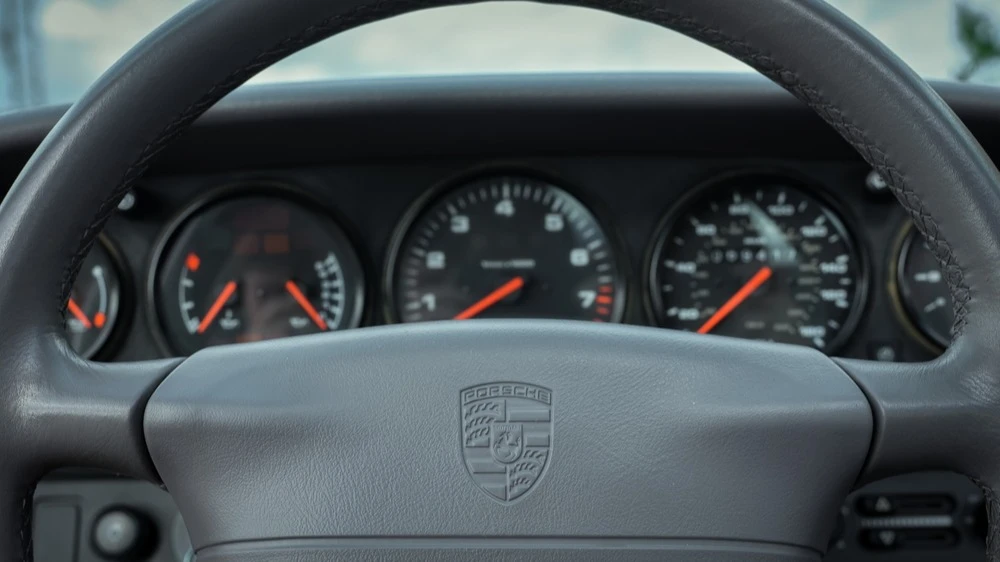
Porsche is experiencing its deepest recession in 15 years / Photo: JoshBryan / Shutterstock.com
Volkswagen's premium brand - Porsche - reported a 10% decline in car sales in 2025. This was the sharpest decline since 2009, that is, since the global financial crisis, writes Bloomberg. Shares of the luxury manufacturer fell in trading on January 16, continuing the collapse, which has already led to the loss of the status of "blue chip".
Details
Porsche delivered 279,449 vehicles in 2025, down from 310,718 in 2024. The biggest declines were in China and Germany. The results were negatively affected by a shortage of combustion-engined versions of the 718 sports car and Macan crossover due to supply disruptions.
Porsche shares fell 1.1% in Frankfurt. The company's market value has fallen by more than 30% over the past year, and in September it was excluded from Germany's DAX blue-chip index.
What's going on with Porsche
The company has faced a number of challenges, including being forced to rethink an overly ambitious electric car strategy that has disrupted the model lineup and put pressure on margins, Bloomberg explains.
Global demand for Porsche's first electric car, the Taycan, fell 22% last year, with the model losing value on the aftermarket faster than comparable cars with internal combustion engines, reports said. The manufacturer warned in September that adjusting its EV strategy could cut operating profit by up to €1.8 billion in 2025.
Another negative factor was the US duties - a key market for Porsche, more important than the Chinese market. Against this backdrop, the company lowered its profit forecasts several times last year.
In China, where competition from local manufacturers is intensifying, Porsche sales collapsed by 26%. The country's slowing economy has hit consumers across all income groups, and the lingering crisis in the real estate market is putting pressure on demand for luxury goods, Bloomberg reports. At the same time, Chinese manufacturers including BYD, Xiaomi and Huawei are targeting wealthier buyers with premium materials and advanced software and technology.
In Europe, Porsche sold 13% fewer cars, including due to supply problems with the 718 and Macan models. The company was forced to phase out the production of popular cars with internal combustion engines due to stricter EU requirements in the field of cybersecurity, which these models did not meet, Bloomberg writes.
In the North American market, Porsche performed stronger than Mercedes and Audi. The company's 2025 sales in the region remained flat, while both German rivals saw a 12% decline. "Porsche probably benefited from accelerated inventory registration across the U.S. to mitigate the effect of duties," said Matthias Schmidt, European automotive market analyst at Schmidt Automotive, as quoted by Reuters.
The automaker's CFO Jochen Breckner promised in October that 2025 would be the bottom line, and the goal for the years following 2026 would be to return to double-digit margins, Bloomberg recalls.
What the analysts are saying
On Jan. 15, Bank of America analyst Horst Schneider reiterated a sell recommendation on Porsche shares and a €39 target, which implies a 9% drop from the closing price on Jan. 15.
On January 9, British investment bank Barclays downgraded its rating on Porsche's securities from neutral to "sell" and cut its target price from €42.5 to €40 - down 7% from the last close. Barclays analyst Henning Kosman believes that even in 2026 the industry will be pressured by duties, environmental requirements, EU policies and the situation in the Chinese market, MarketScreener reports .
The majority of analysts still keep neutral position on the company's shares: 11 out of 20 - gave it a "hold" rating. Four of them advise to buy these securities, and five - to sell.
This article was AI-translated and verified by a human editor