Puma stock is off 55% YTD, on track for worst year ever. Why analysts see no recovery

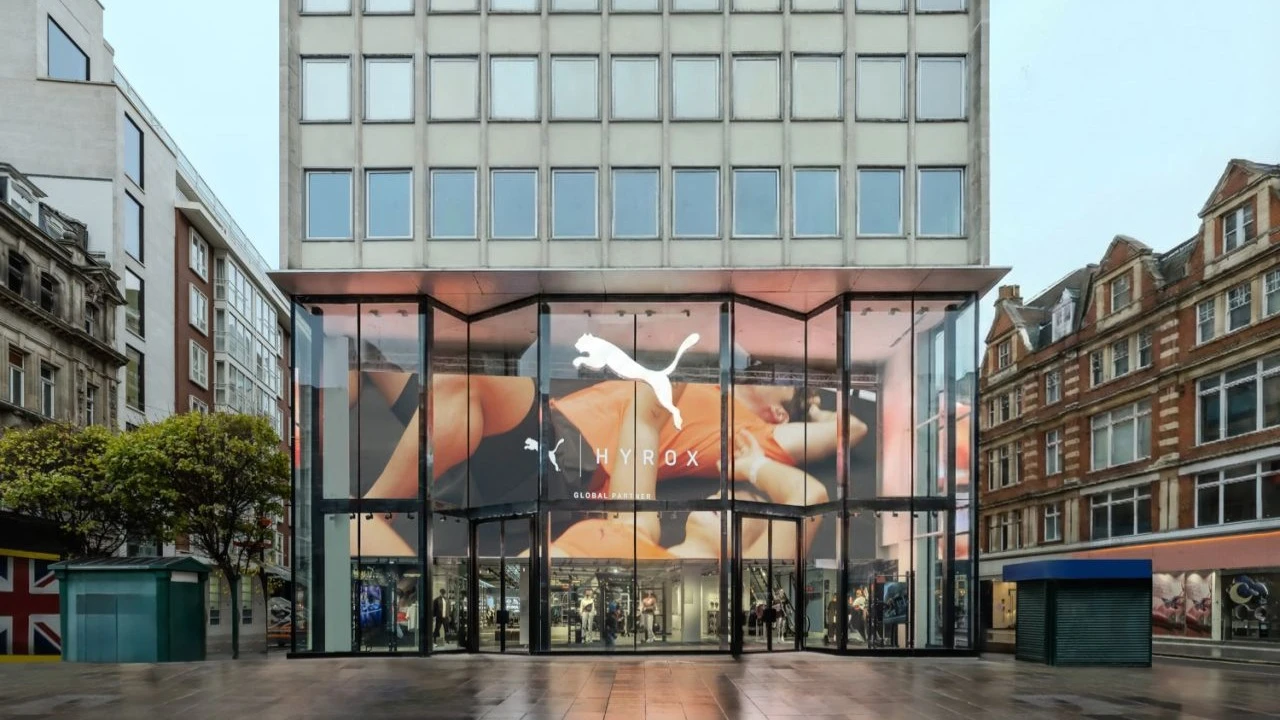
Shares of Puma, the German manufacturer of sportswear and footwear with a market capitalization of EUR3 billion, have collapsed almost 55% year to date. They are on track for the worst annual performance in the company’s history, even after a brief rally following reports about a possible sale of the brand. Analysts believe the stock is unlikely to recover in the next 12 months, and possibly never. One reason is that Puma is finding it increasingly difficult to compete with faster-growing peers.
Details
Puma’s shares have fallen almost 55% this year to EUR20.50 apiece in Germany. This could be the company’s worst year on record, Bloomberg writes, even after a sharp rise triggered by takeover speculation.
Analysts do not expect a recovery over the next 12 months, Bloomberg said. The average target price for Puma shares is EUR23.99 apiece, according to MarketScreener data. While this implies roughly 18.5% upside versus the December 2 close, it remains almost 46% lower than at the beginning of the year.
Puma’s stock has 14 “hold” ratings versus six “buy” recommendations.
Why analysts are lukewarm
On top of the U.S. tariffs and a broader downturn in the sporting goods sector, Puma faces several company specific challenges, Bloomberg writes. One of the biggest is pressure from rapidly growing competitors such as On Holding AG, New Balance, and Hoka, which have been taking more shelf space at retailers.
“Puma has struggled to come out with stuff that stands out in a very competitive market,” Morningstar analyst David Swartz was quoted as saying. “Other brands have come and really taken a lot of its business away.”
In the third quarter, Puma’s sales declined 10.4% year over year to about EUR1.96 billion, adjusted for currency effects. The company attributed the drop to the brand’s strategic turnaround initiatives.
In August, Puma appointed CEO Arthur Hoeld, an Adidas veteran, who pledged to cut 900 jobs and focus on running, soccer, and training products. The company aims to return to revenue growth by 2027 and establish itself as one of the top three sports brands globally.
“The strategic plan outlined by the CEO was not radical enough” to change investor views on the stock, wrote Deutsche Bank AG analyst Adam Cochrane in a note last month.
Puma is also facing the prospect of a takeover. In November, Bloomberg reported that Anta Sports Products, the Chinese owner of the Fila and Jack Wolfskin brands, is considering a bid for Puma. Other potential suitors include China’s Li Ning and Japan’s ASICS, Bloomberg wrote. On that news, Puma’s shares rose 19% in a day.