QatarEnergy warned of force majeure on LNG contracts for up to 5 years due to attacks

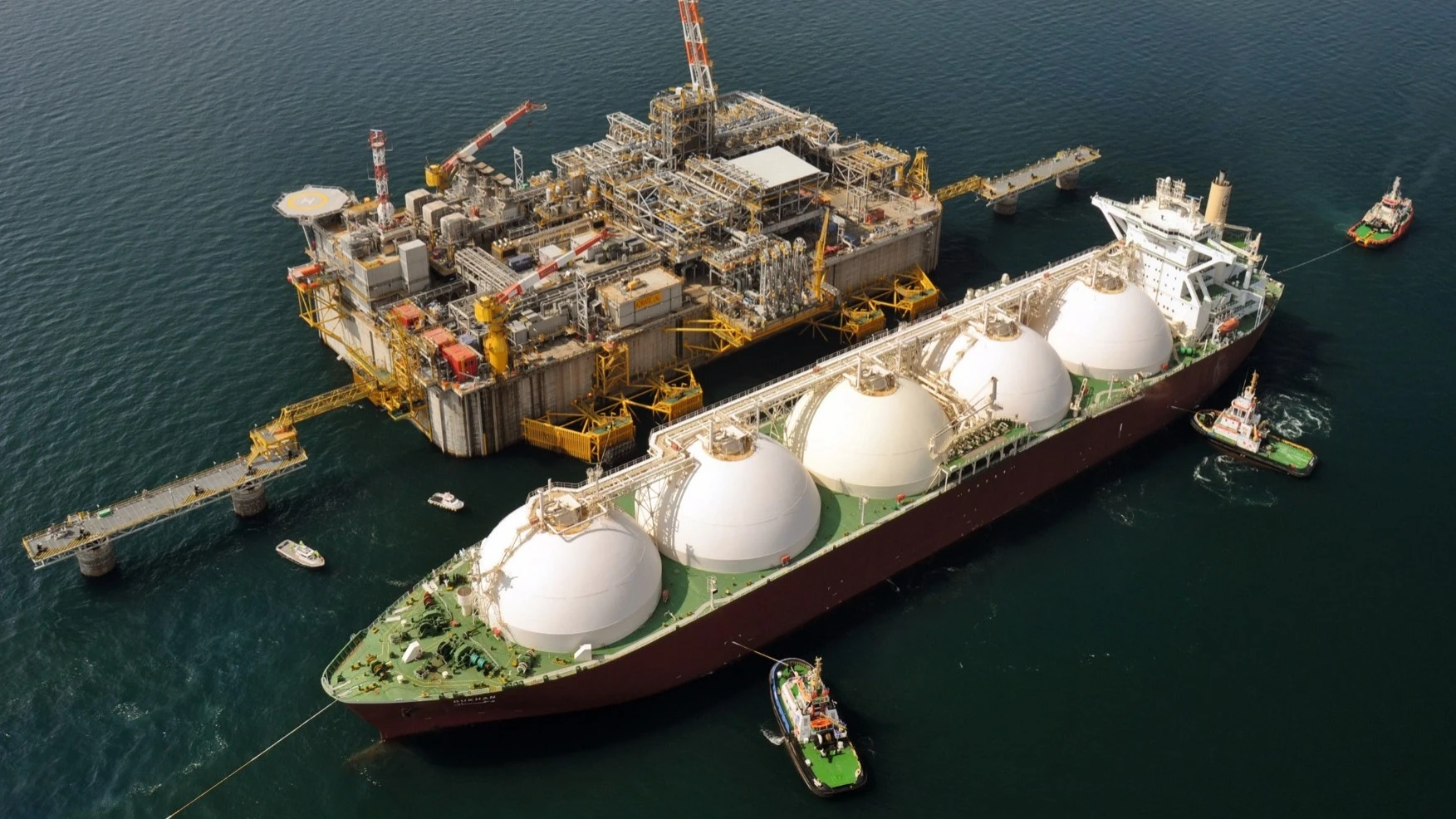
Photo: QatarEnergy
Qatari liquefied natural gas producer QatarEnergy will be forced to declare force majeure on long-term contracts for up to five years due to Iran's attack on its largest LNG plant. This was stated by QatarEnergy head and Qatar's energy minister Saad al-Qaabi in an interview with Reuters. According to the top manager, this will affect supplies to Italy, Belgium, South Korea and China. QatarEnergy has previously declared force majeure - but for a short period of time, now it will increase, al-Kaabi noted.
The minister estimates that the Iranian attack has reduced Qatar's LNG export capacity by 17%, which translates into $20 billion in lost revenue per year. This threatens supplies to Europe and Asia. The strike damaged two LNG liquefaction process lines (LNG trains) as well as one of two gas-to-liquids (GTL) facilities. The need to rebuild them will deprive the market of 12.8 million tons of LNG for three to five years, the minister said.
What happened
Qatar on March 18 claimed an Iranian missile strike on the industrial city of Ras Laffan in Qatar, home to the world's largest liquefied natural gas plant. The attack caused "serious damage," the Qatari government reported. Several LNG production facilities were also hit Thursday morning, QatarEnergy reported . The affected plant provides about 20 percent of the world's LNG supply. It shut down operations in early March and Qatar declared force majeure on supplies from it.
Prior to Iran's attack on the Qatar plant, Israel struck Iran's largest gas field, South Pars. After that, Iran warned that it would consider energy facilities in neighboring countries as "legitimate targets." On Thursday, Saudi Aramco's refinery in the port of Yanbu on the Red Sea coast was also one of Tehran's targets.
The strikes on energy infrastructure in the Middle East led to an 11% jump in the price of Brent crude oil in trading on March 19: the price exceeded at one point $119 per barrel, although then lost all the gained and fell to almost $107 per barrel. April futures for liquefied natural gas in Europe added about 30%, but by the end of trading the growth slowed to 11.6%.
This article was AI-translated and verified by a human editor