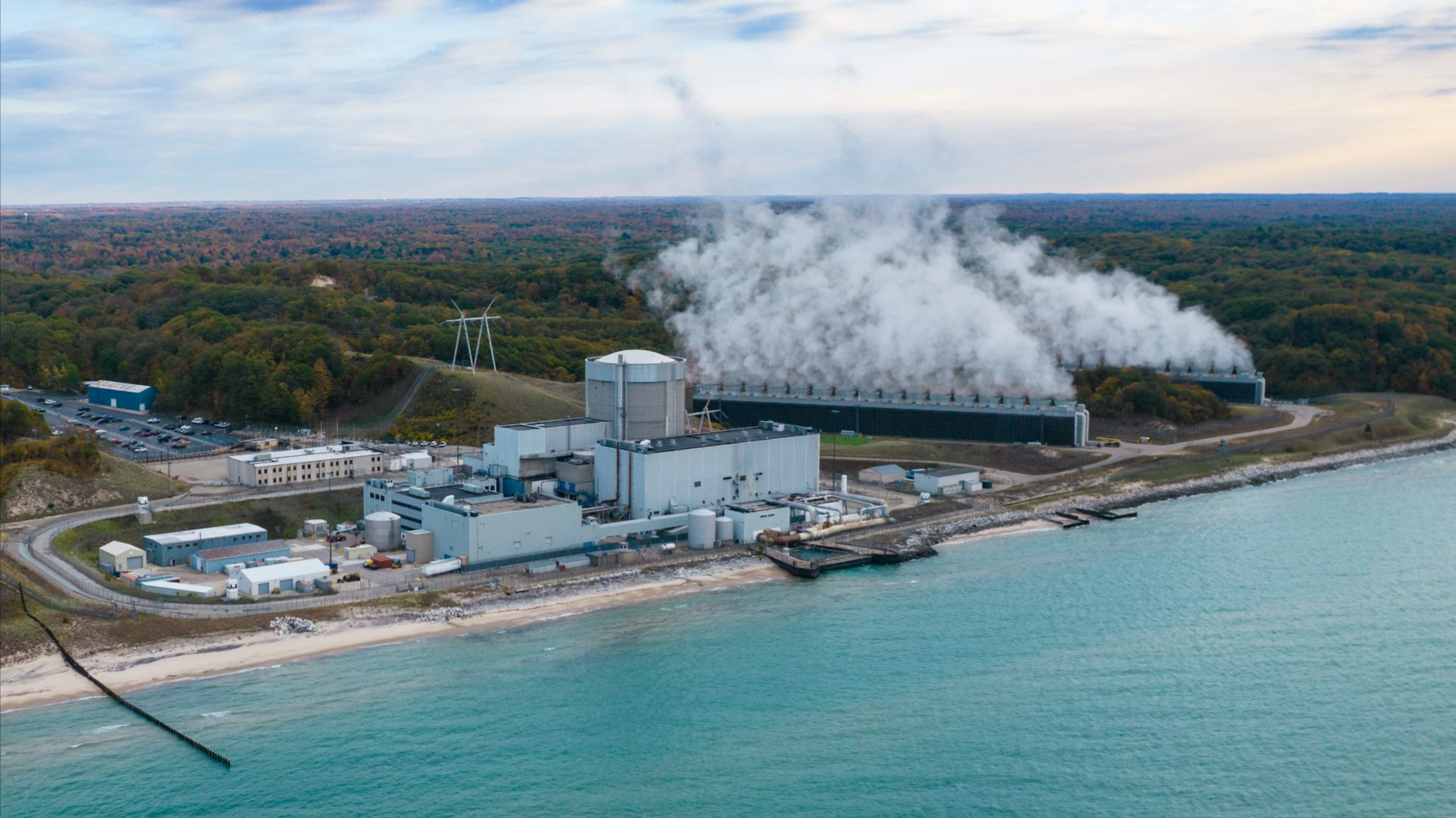
Liquefied natural gas prices soar nearly 30% in Europe after attacks on key plant
The Qatar plant, which has been hit by Iran, accounts for about 20 percent of global LNG supply

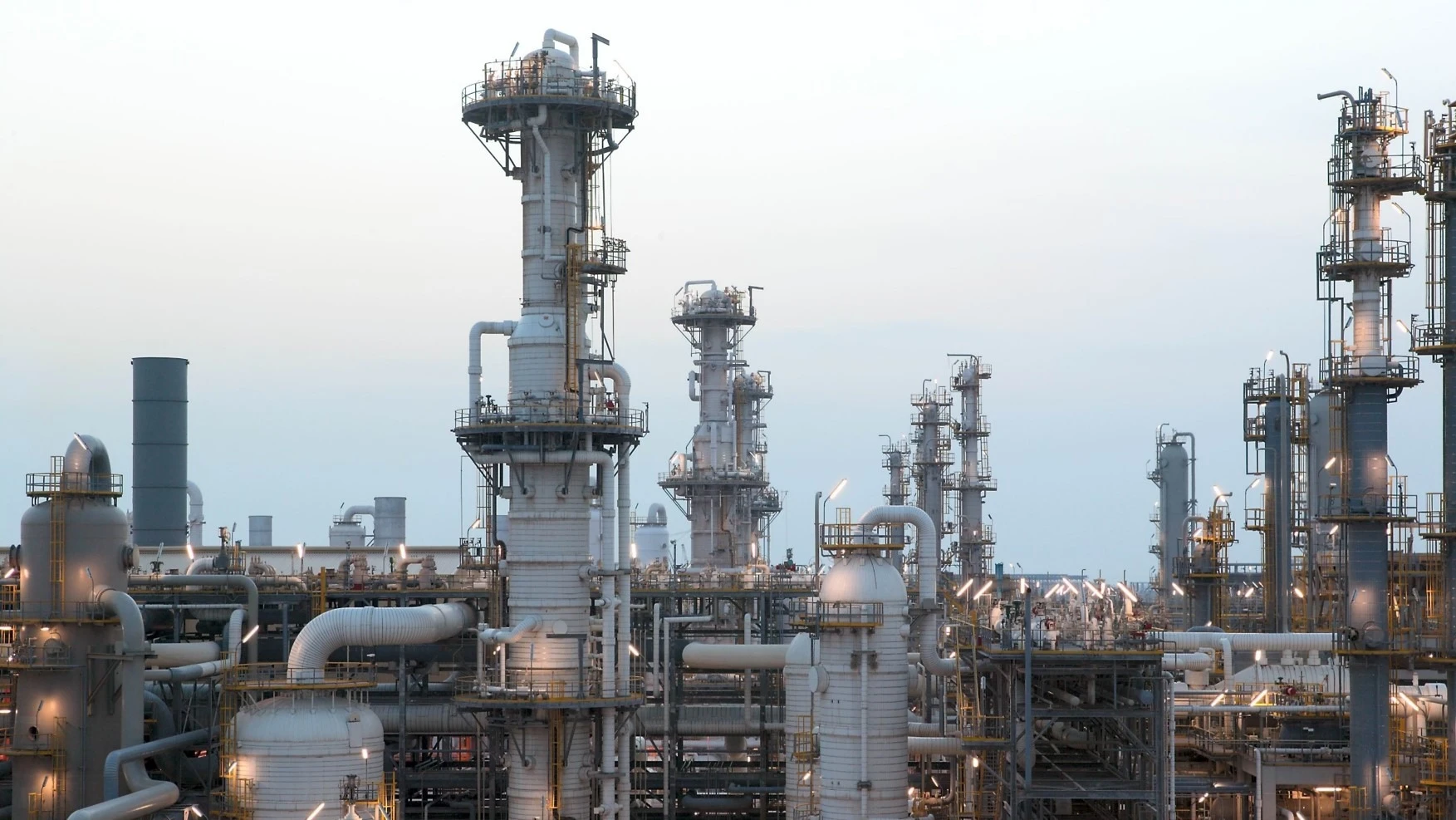
Iran launched a missile attack on the industrial city of Ras Laffan in Qatar on March 18 /Photo: Qatarenergylng.qa
April liquefied natural gas futures in Europe rose 29% after the world's largest LNG plant in the Qatari city of Ras Laffan suffered significant damage from an Iranian missile attack. A gas-to-liquids complex was damaged on the evening of Wednesday, March 18, and several LNG facilities were hit early Thursday morning.
This industrial city typically provides about one-fifth of the world's supply of this energy resource. The area, which is about one-third the size of New York City, is also home to LNG storage, a refinery and other facilities. Although production and LNG shipments from Ras Laffan were halted in early March due to an Iranian drone attack, the new strikes threaten to keep gas prices in Europe and Asia high for longer, according to Bloomberg.
"Successful attacks on Ras Laffan could cause a sustained global gas shortage," MST Marquee energy analyst Sol Kavonik told the agency, "Even when the war is over, the impact on supplies could persist for months or even years while repairs are made and spare parts are sought.
"LNG supplies from Qatar could be halted for months, and in the worst case, years," agrees Arne Lohmann Rasmussen, chief analyst at Global Risk Management. - For the gas market, the crisis will not end simply because the war will end and the Strait of Hormuz will reopen.
Bloomberg warns that the escalation will lead to a sharp tightening of the global LNG market, which was expected to move into oversupply this year as new projects come online. That threatens shortages in emerging markets such as India and Bangladesh, as well as a slowdown in industrial activity and rising utility bills from the U.K. to Japan.
The price of gas in the U.S., which is a major exporter and usually shielded from global fluctuations, rose 3.8 percent on Thursday, but was up more than 6 percent at moments.
Oil prices also jumped after the Qatar refinery attack, with Brent futures approaching $114 a barrel.
This article was AI-translated and verified by a human editor