Recovery of oil and gas industry after war will take two years - IEA head
The International Energy Agency is already recording the first signs of demand destruction in the oil market

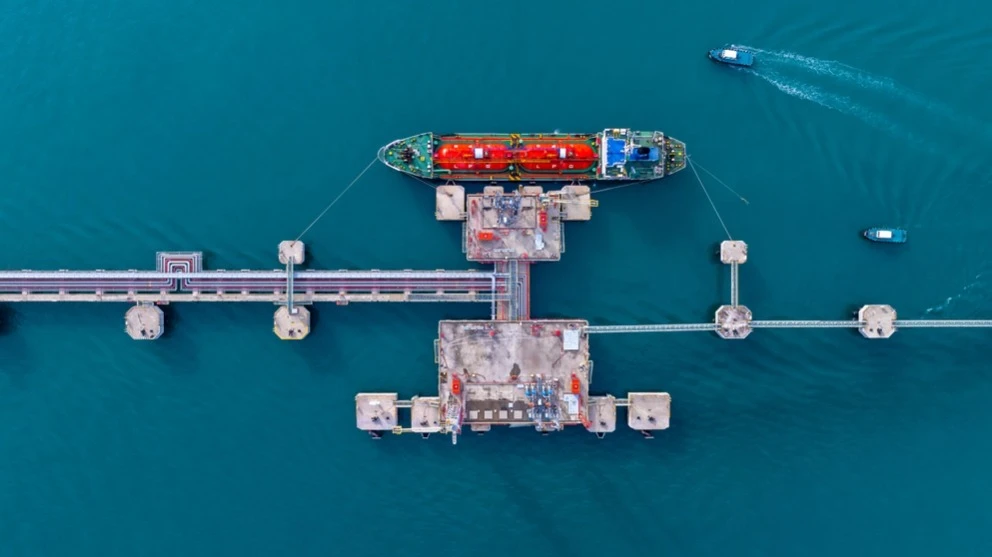
The International Energy Agency urged not to hope for a speedy recovery of oil and gas production, which has declined due to the war in Iran / Photo: Mayy Contributor/Shutterstock.com
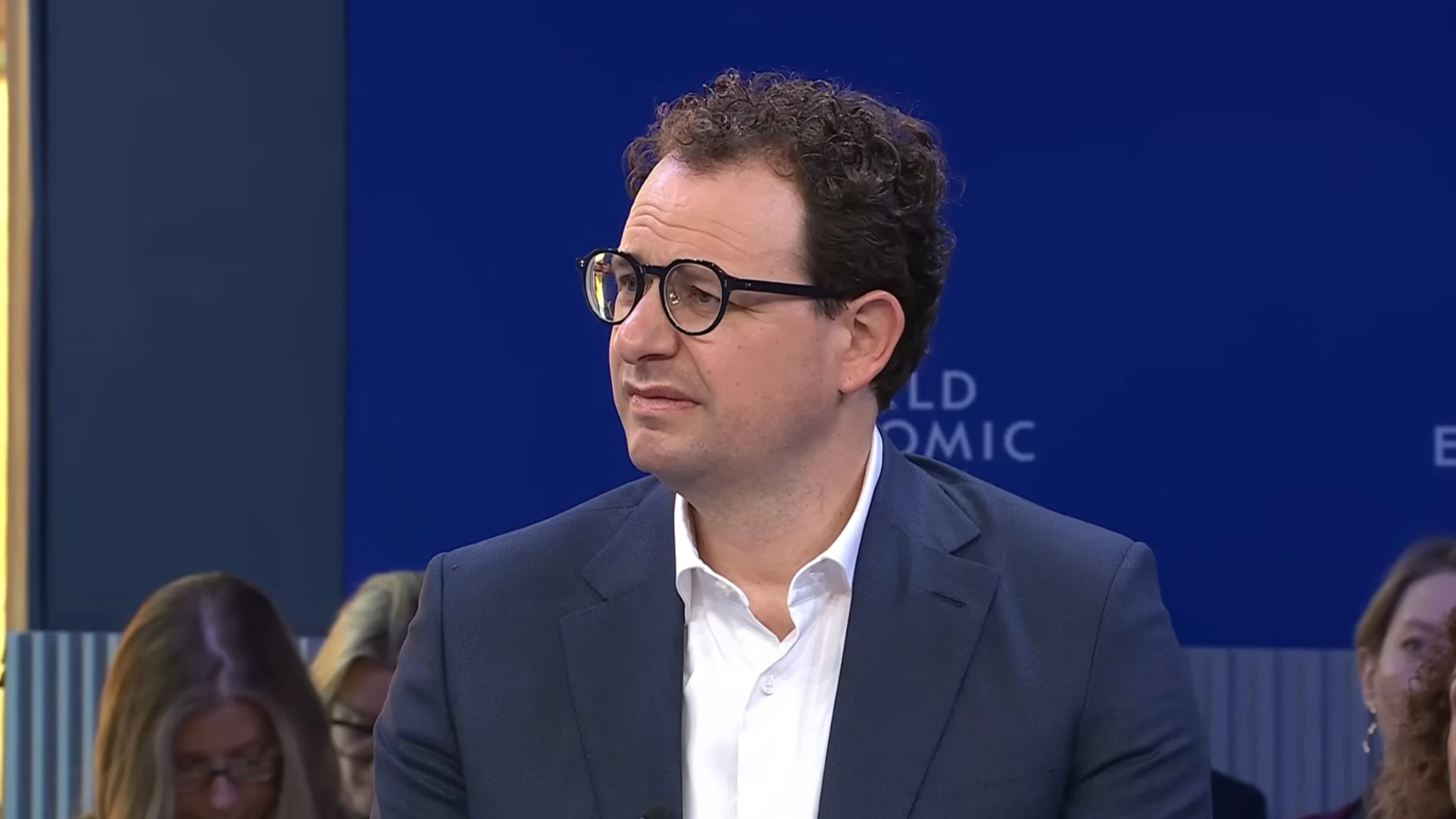
Normalization of oil and gas production after Iran's war could take up to two years, warned Fatih Birol, executive director of the International Energy Agency (IEA). Meanwhile, oil is getting cheaper after Lebanon' s truce with Israel and US President Donald Trump's words on Tehran's renunciation of nuclear weapons and "nuclear dust".
Details
Oil market recovery will be slow as damage from the U.S.-Iran conflict has affected oil fields, refineries and pipelines across the Persian Gulf, Birol pointed out on Bloomberg Television. "There is a universal belief that the minute we see the [Strait of Hormuz] open, production will return to previous levels - that is, in my view, a delusion," the Ma chief said.
The situation with the restoration of liquefied natural gas (LNG) supplies may turn out to be more complicated: according to Birol's assessment, it will take more than two years to return to normal operation of some LNG terminals damaged as a result of military attacks. If the Iranian crisis drags on, the main blow will fall on developing countries-importers of energy resources, primarily in Asia and Africa, emphasized the IEA head. The market is already showing the first signs of demand destruction - rationing of consumption, decline in economic activity and growth of inflationary pressure, he added.
What's up with oil prices
In Asian trading on April 17, oil is getting cheaper after Israel's agreement with Lebanon on a 10-day truce and Trump's new optimistic statements on the Iran crisis, Oil Price reports. WTI futures are trading just above $93 (-1.5%), while Brent has fallen to $98 (-1.3%) - both benchmarks remain well below the triple-digit levels they soared to after the first round of US-Iran talks broke down.
Trump said the day before that the Iranian regime had agreed to freeze its nuclear project. Tehran has not commented on this, but Iran's UN Permanent Representative Amir Saeed Iravani said Tehran remains "cautiously optimistic" about the negotiations. Meanwhile, Lebanon's army has already accused Israel of violating the agreement, recording "several Israeli attacks, in addition to periodic shelling."
Context
On April 14, the IEA warned in its monthly review: export disruptions due to the war in the Middle East will lead to a reduction in global oil supply in 2026, and demand will fall for the first time since the pandemic times. At year-end, the agency still forecasts a surplus, but the forecast is sharply reduced - from 2.46 million to 410 thousand barrels per day. However, analysts polled by Reuters expect a deficit: according to their estimates, this year demand will exceed supply by 750 thousand bpd.
Earlier this week, the OPEC cartel lowered its forecast of global oil demand in the second quarter of 2026, maintaining its annual estimate. At the same time, the transit of oil, oil products and gas condensate liquids through the Strait of Hormuz collapsed to 3.8 mln bpd in early April against 20 mln bpd in February - before the first strikes by the US and Israel against Iran.
The IEA baseline forecast assumes the resumption of regular supplies from the Middle East by mid-year, albeit below pre-war levels. The severe scenario with prolonged disruptions assumes the withdrawal of almost 2 bln barrels from inventories and an average annualized demand decline of 5 mln bpd from the second to the fourth quarter of 2026.
This article was AI-translated and verified by a human editor