Regulator required Boeing to sell assets as part of a major deal. What about the stock?
Boeing is buying its Spirit supplier, which was already part of Boeing and became a standalone company in 2005


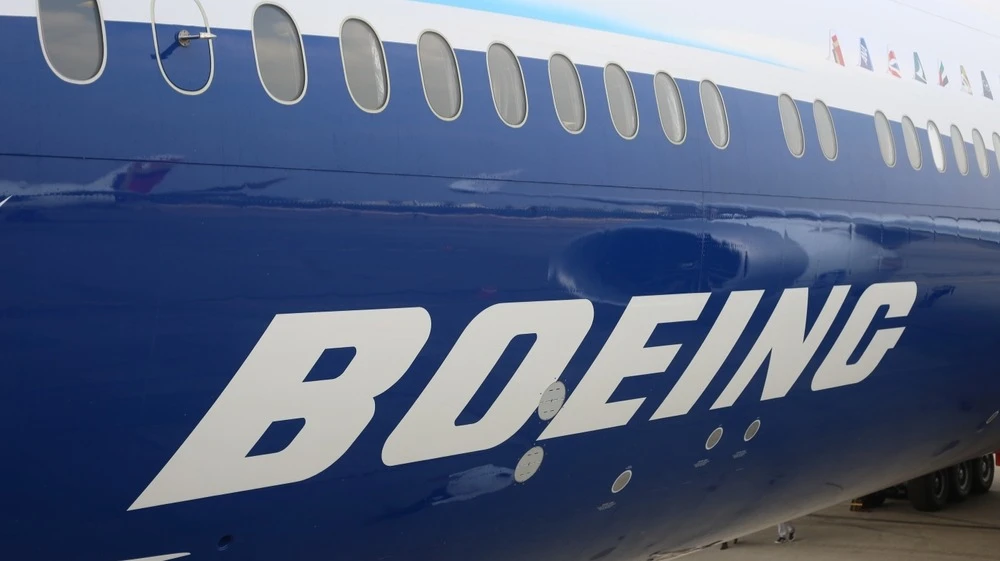
The U.S. Federal Trade Commission (FTC) has actually approved the purchase by Boeing Aerospace Corporation of its supplier Spirit AeroSystems, but has put forward a number of conditions that will complicate and delay the deal. The FTC demanded, for example, the sale of Spirit's divisions that make components for Boeing's main competitor Airbus. The state regulator's announcement caused Boeing's shares to fall by more than 3%.
Details
The FTC said Wednesday it will require Boeing to sell "significant assets" of Spirit AeroSystems to address antitrust risks associated with a deal to buy the supplier of components for airplane fuselages and wings.
The Federal Trade Commission has demanded that Boeing sell the Spirit businesses that supply parts to Airbus. The sale of these assets, according to the FTC, will eliminate the threat that the merger of the companies will give Boeing unfair control over the Airbus supply chain. The European aircraft maker was already involved in negotiations to buy out some of Spirit's assets, Reuters writes.
Boeing will also be required by the FTC to sell Spirit's aircraft components business in Malaysia, which now supplies components to Boeing and Airbus. The asset must be transferred to Composites Technology Research Malaysia, the regulator said.
Investors reacted negatively to the news, with Boeing shares falling nearly 4% to $197.4 at one point on Wednesday.
What it means for Boeing
The Federal Trade Commission's proposed order would delay the merger, which Boeing had planned to close by the end of the year, Reuters noted. The FTC's proposal is subject to public comment for 30 days, the Commission noted.
The aircraft maker itself emphasized in its commentary that the FTC is not opposed in principle to its deal with Spirit. "We welcome the U.S. Federal Trade Commission's decision to approve our acquisition of Spirit AeroSystems," a Boeing spokesperson told Reuters. - While the transaction has not yet been finalized, we intend to take all necessary steps to close the deal. This important milestone will strengthen our ability to produce safe, high-quality airplanes for customers and benefit passengers."
The cost of the deal to buy out Spirit for Boeing is estimated at $8.3 billion. Spirit's return to Boeing's control means abandoning its previous strategy of outsourcing key components, The Guardian wrote in July, when Boeing and Spirit announced the deal. Spirit was spun off as a separate company in 2005, but is still 70% dependent on Boeing orders. At the same time, about 25% of its revenue comes from supplies for Airbus.
Talks to buy out Spirit began just weeks after a door plug ripped out of a Boeing 737 Max 9 airplane in flight in January 2024, the publication recalls. An investigation by the U.S. National Transportation Safety Board found that the panel that fell out was missing four mounting bolts.
Boeing said the acquisition of Spirit would improve its control of airplane assembly quality.
What analysts recommend
Boeing shares are now worth almost 14% more than they were at the beginning of 2025. Most analysts advise "buy" the securities: they have 19 Buy ratings and four Overweight ("above market") versus four Hold and one Sell, MarketWatch shows. The average target price of $248.24 implies a 21% increase in quotes from the last closing price.
Boeing shares rose 10% in trading on Dec. 2 - after the company's CFO, Joe Malave, gave a forecast for the first positive cash flow the company expects in 2026 since 2023.
This article was AI-translated and verified by a human editor