Relief rally and duties on oil tankers: day 11 of the Iran war

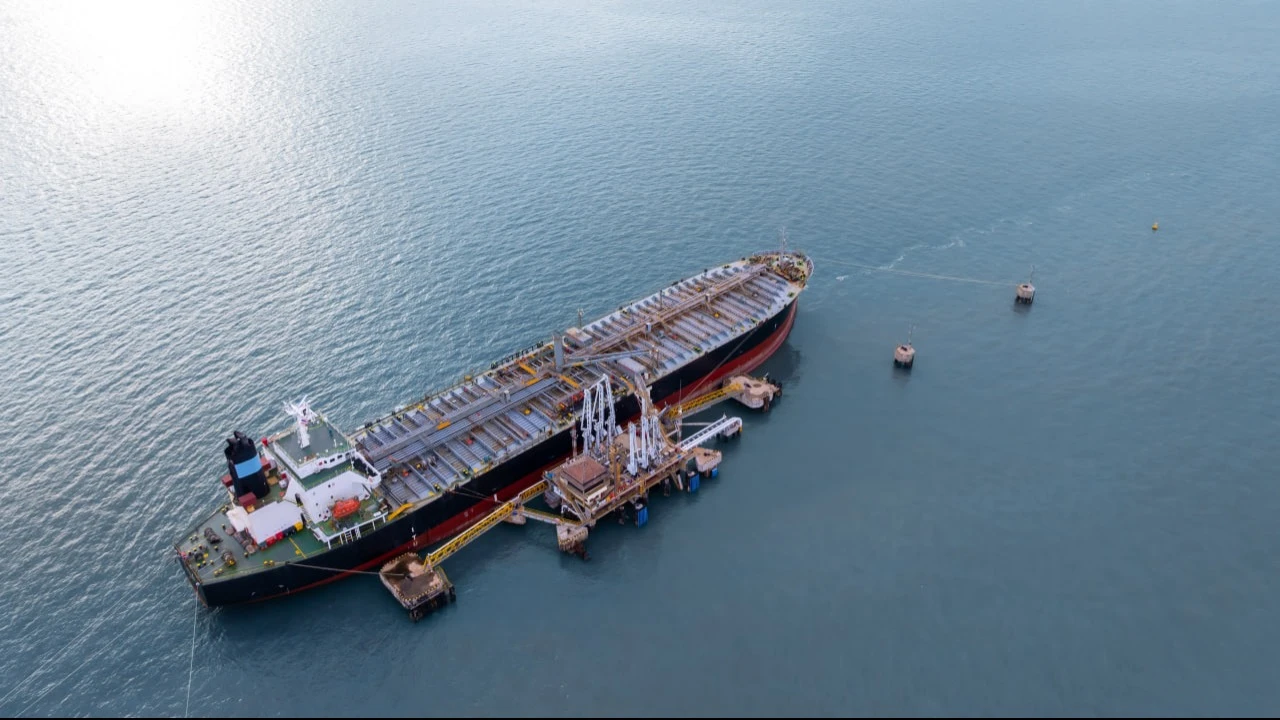
According to CNN's source in Iran, the country is going to impose duties on ships in the Persian Gulf / Photo: Mayy Contributor / Shutterstock.com
Oil prices have lost some of the gains recorded the day before during the explosive rally. Iran is going to impose "security" duties on oil tankers passing through the Persian Gulf. Here are the major developments in the conflict in the Middle East to this point.
- Oil prices have returned below $100 per barrel and continue to correct after a rally on March 9, when they reached a four-year high. Futures for the benchmark Mark Brent fell in price by 5.7% on March 10, while contracts for North American WTI lost 6.2%. Nevertheless, quotations still remain significantly above the $60-70 per barrel range, which was before the war with Iran.
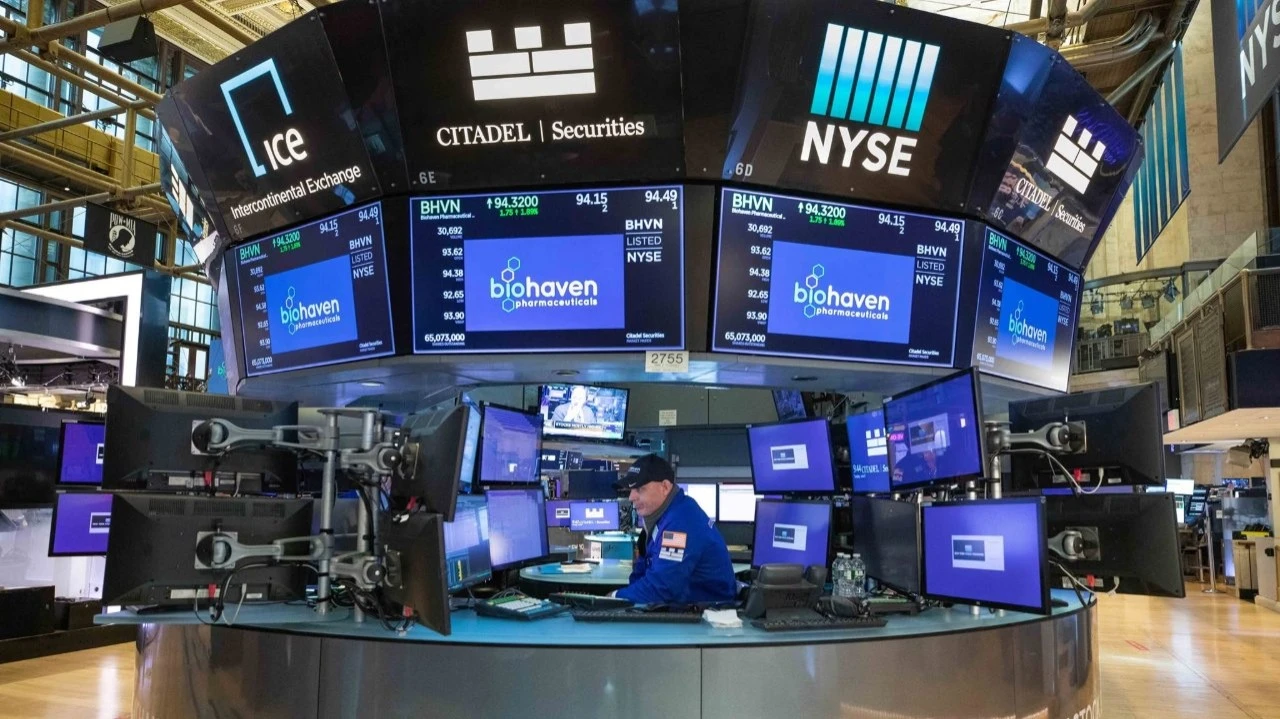
Against this background, stock indices of the Asia-Pacific region began to recover: Nikkei 225, which collapsed the previous day, rose by 2.5%, Topix - by 2%, South Korean Kospi added 4.7%.
Gold was up 1.5% and silver was up 5.5%.
- Iran is planning to impose duties on oil tankers and ships, a source told CNN. The country is finalizing a plan to impose "security measures" in the Persian Gulf for ships belonging to countries allied to the United States, the source told the network. He also maintains that the Strait of Hormuz remains closed even if US President Donald Trump claims otherwise. "We hold the screw on the global price of oil, and for a long time to come we will be in control of that. Energy prices have become volatile and we will continue to fight until Trump declares defeat," said the source.
- The U.S. president promised that he would lift some oil-related sanctions to ensure supplies while the Strait of Hormuz is blocked. He did not name specific countries for which restrictions would be eased. In early March, the U.S. issued a 30-day temporary authorization allowing India to purchase Russian oil already at sea.
- Trump made conflicting statements Monday evening about the timeline for completing the operation against Iran, CNN notes . He first told Republican lawmakers that "we haven't won enough yet." Then, in an interview with CBS, he suggested that the war is "pretty much over." Trump promised to secure the Strait of Hormuz. He warned that the U.S. would "hit Iran twenty times harder" if it tried to stop shipments through the corridor.
In response, the Islamic Revolutionary Guard Corps said the armed forces were "waiting for the US navy in the Strait of Hormuz". It also threatened that Tehran "will not allow a single liter of oil to be exported from the region" if the U.S. and Israeli strikes continue, CNN reported . Kamal Kharazi, an adviser to the office of Iran's supreme leader, told the channel that the country is ready for a long war and intends to continue the attacks, and ruled out the possibility of diplomacy.
- Clusters of ships have appeared near the Strait of Hormuz, Bloomberg writes . Some of them number more than two hundred ships of various types, the agency notes. It calls it a likely sign of increased electronic interference in the region, due to which tracking platforms display ships far from their real locations. The tracking situation has become "impenetrable" over the past 48 hours, Mark Douglas, a maritime analyst at Starboard Maritime Intelligence, told Bloomberg. It is virtually impossible to determine exactly where any vessel is in the strait area, he said.
- Crop prices fell along with the fall in oil futures after Trump's comments, which eased fears that the war in the Middle East will be long. Wheat in Chicago at the opening of trading fell by almost 3% before partially recovering losses. In contrast, this contract jumped nearly 4% in the previous session. Soybean oil, a key biofuel feedstock that benefits from rising oil prices, is also trading 2.6% cheaper.
Grain and oilseed prices have been rising sharply in recent days due to concerns over oil and fertilizer supplies, which in turn has raised the cost of agricultural production and heightened concerns over food security.
Palm oil futures fell 4.3 percent at the open of trading in Kuala Lumpur, also following a drop in oil prices.
What the analysts are saying
- "What we are seeing now is more of a relief rally after an extremely pronounced risk-aversion episode, rather than a full-blown return of risk appetite," said Pepperstone Group research strategist Dylin Wu.
- AT Global Markets chief market analyst Nick Tweedale agrees: 'It's still too difficult to bet on growth sectors again until there are strong signs of progress [in the settlement], but perhaps some investors will start looking for undervalued assets in the hope of seeing light at the end of the tunnel'.
- According to Eric Van Nostrand, chief investment officer at Lazard Asset Management, Donald Trump's statements "have not been the most informative signal," so investors should remain skeptical. "There is a lot of misguided confidence in the markets right now that the situation will quickly normalize, as it has in previous periods of heightened tensions in the Middle East," he said. - But in my view, what we're seeing today - given the likely duration of the closure of the Strait of Hormuz - is something quite different. It's really going to have a very significant and global impact on the world economy."
- "The damage to economies goes far beyond the direct effects of higher oil prices. We're in for inflationary shocks that will create stagflationary pressures: they will dampen demand and push central banks to tighten policy. The outlook for stocks looks much bleaker now than it did a month ago," said Bloomberg strategist Garfield Reynolds .
This article was AI-translated and verified by a human editor