The best reversal of stocks, the rise and fall of oil, the peak of panic: the results of the tenth day of the war

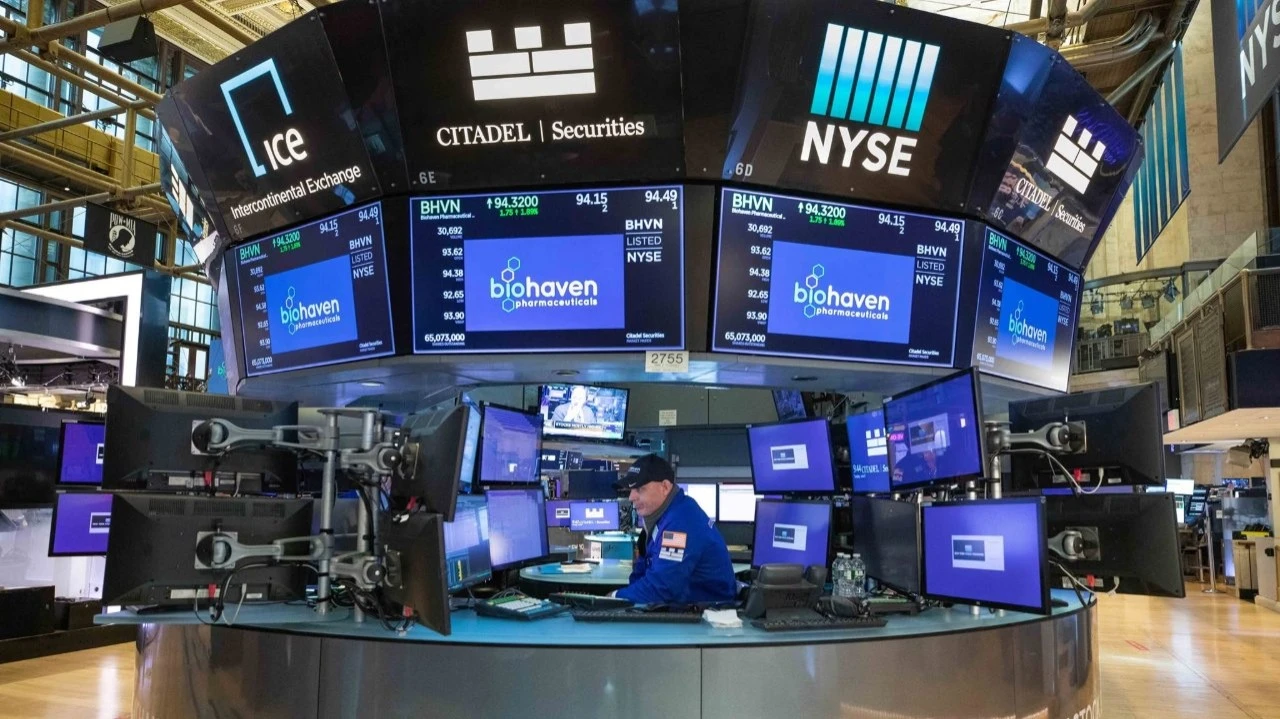
Stocks in the U.S. showed on Monday, March 9, the best reversal from decline to growth in at least a few months. Indexes, which had been falling for most of the day, reversed to a sharp rise after Donald Trump's announcement that the war with Iran was nearing an end. Brent crude oil, which in the morning rose to its highest since 2022 - almost $120 a barrel - has since then, on the contrary, started to fall in price by more than 5%.
Details
- The S&P 500 index rose by 0.83% at the end of trading.
- The blue-chip index Dow Jones Industrial Average added 239 points or 0.5%.
- "Technology" index Nasdaq Composite was up 1.4 percent.
- The Russell 2000 index of small and mid-capitalization companies was up 1.12%.
- In contrast, the VIX index, known as the "Wall Street fear index," fell 14% to 25.35 points. It remains above the psychological mark of 20 points, indicating high volatility.
- Brent oil cost $89.9 per barrel at the close of the stock exchanges in New York - 3% less. Compared to the maximum for the day, the price fell by about a quarter. American oil WTI cheapened by more than 4% - to $87 per barrel.
- Spot gold prices fell 0.5% on Monday.
- Silver rose 2.7%.
What drove the market
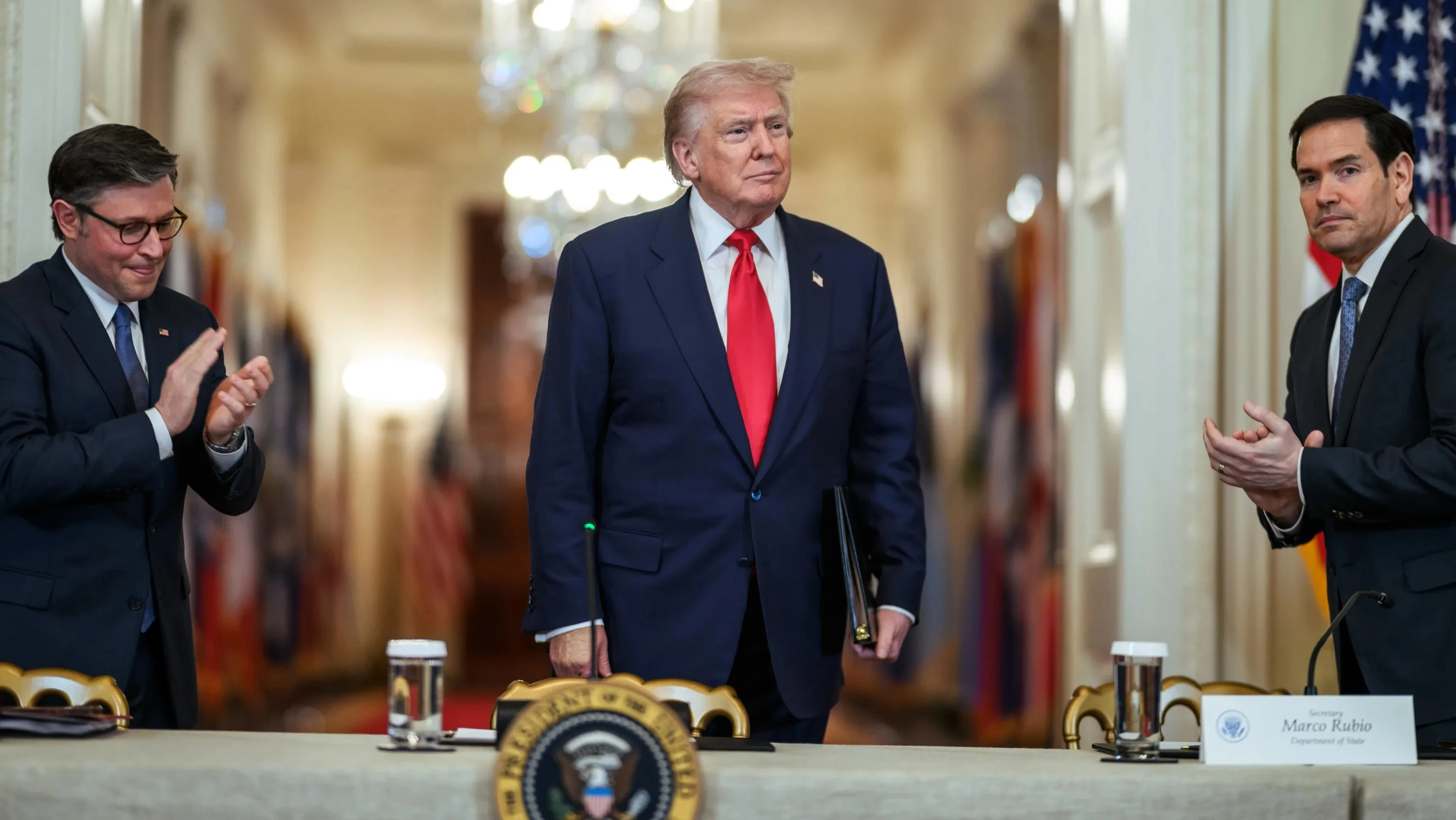
US market indices reversed from falling to rising on Monday, with oil starting to fall in price after US President Donald Trump said the "war is almost over".
"I think the war is pretty much over. They [Iran] have no navy, no communications, no air force," CBS White House reporter Weijia Jiang was quoted as saying by Trump. She said Trump added that the U.S. was "very much" ahead of his original projections of four to five weeks for the duration of the operation against Iran.
After the CBS correspondent's publications, key U.S. stock indexes showed the strongest reversal from decline to growth in months or even longer, MarketWatch noted, citing Dow Jones Market Data. By comparison, the Dow Jones was down 1.87% at one point, the S&P 500 was down 1.54% and the Nasdaq was down 1.45%. The latter was able to close up more than 1% after declining by the same amount on the same day for the first time since Dec. 20, 2024, MarketWatch added.
Brent crude oil prices also changed direction sharply after rising 30% on Monday morning to nearly $120 a barrel, the highest level in four years. Oil prices rose after major producers in the Middle East began cutting production due to the virtual closure of the Strait of Hormuz and overflowing reserve storage facilities. Kuwait announced a cut without specifying its volume, and production in Iraq, fell by 70%, writes CNBC. The cost of oil over $100 per barrel many on Wall Street saw as a critical mark for the economy, if the war does not quickly end and prices do not roll back, explains the channel.
Shares of semiconductor manufacturers also supported the U.S. market on Monday. Broadcom added more than 3%, Micron Technology and Advanced Micro Devices rose by 2% each, and Nvidia rose by almost 1%.
What the analysts are saying
- "We expect markets to focus almost exclusively on short-term factors this week, remain volatile and move following the headlines as the conflict unfolds," BMO Private Wealth 's Carol Schleif told Bloomberg.
- Although oil prices rose sharply on Monday, energy stocks appreciated only slightly during the session. That could mean investors are still hoping for a favorable outcome to the war, said John Luke Tyner, head of bonds and portfolio manager at Aptus Capital Advisors. "The market is still generally assuming that this is all going to last for a relatively short period of time," he told CNBC. But the analyst noted that the rapid 10-15% rise in the State Street Energy Select Sector SPDR ETF, which tracks energy stocks, would mean the market is starting to build into prices a scenario in which the war "drags on for a long time and a significant portion of oil supply either remains locked up or is destroyed." If the war does indeed last longer than currently expected, a drop in the S&P 500 to around 6,200 points doesn't look "something impossible," Tyner added.
- "A bear market can't be ruled out if investors start pricing in a scenario of a 1970s-style return of stagflation," CNBC quoted Ed Yardeni, president and chief investment strategist at Yardeni Research, as saying in a note. He specified that if the oil shock persists, "the Fed's dual mandate will be squeezed between the growing risk of higher inflation and rising unemployment," referring to the Fed's two main monetary policy goals: maximum employment and stable prices.
- Traders are not ready for a correction in the S&P 500 index, in which it could lose up to 10% of its peak amid the war, says Andrew Tyler of JPMorgan. Tyler himself took a "bearish" position, expecting the market to fall, writes Bloomberg.
- "While volatility can feel like something extremely unpleasant, it can rise even higher and possibly cause a short-term drawdown in stocks, in and of itself it is usually short-lived when it reaches extreme levels," Anthony Saglimbene of Ameriprise told Bloomberg. - And more often than not, it's that kind of extreme volatility that gives investors a good long-term entry point to buy stocks rather than sell them."
This article was AI-translated and verified by a human editor