Rheinmetall shares fall despite record order volume. Where has the hype gone?
Rheinmetall securities have failed to capitalize on the war in Iran and have shown almost no upward momentum for nine months now

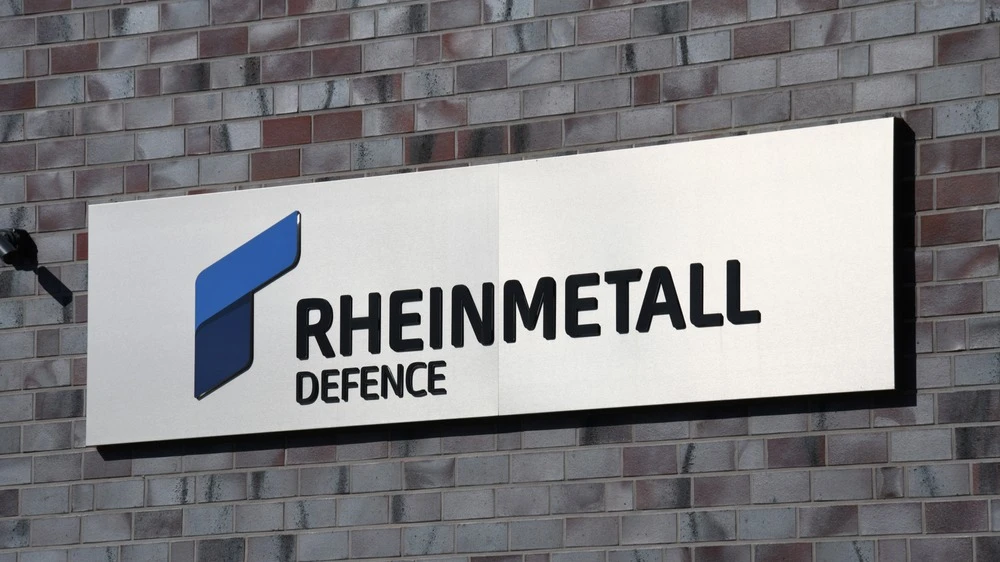
Shares of Germany's Rheinmetall look more expensive than the securities of American competitors, which have not benefited so much from the military conflict in Ukraine / Photo: nitpicker / Shutterstock.com
German arms manufacturer Rheinmetall reported a record volume of orders and the highest business margin in its history. However, the growth rate disappointed investors who stopped believing in Germany's largest defense contractor as a source of profit from any geopolitical shocks.
Details
Rheinmetall reported on March 11 that its contract portfolio in 2025 increased by 36% to a record €63.8 billion. The operating margin increased from 18% to 18.5% - also the best in the company's history. The ammunition division was again the main contributor to profit growth, with a margin of over 29%, Handelsblatt says.
Rheinmetall is the main beneficiary of increasing defense spending among all German companies: the concern participates in almost all major tenders of the Bundeswehr, the publication notes. The company said on March 11 that in 2026 its revenue should increase by 40-45% to €14-14.5 billion and profitability - 19%.
Nevertheless, the defense concern failed to maintain the high pace of business development. Sales growth in 2025 slowed to 29% to €9.9 billion from 36% a year earlier. The profit-to-free cash flow conversion rate also declined, from 76% to 66%. According to a consensus forecast by platform Vara, the average expectation for 2025 sales was €10.1bn and profitability was 19%. The market also put a more optimistic forecast for profitability for the current year in the estimates - an average of 19.6%, Handelsblatt reports.
In an attempt to maintain investor loyalty, Rheinmetall announced an increase in dividend payments. However, this did not save the quotes of the defense giant: shortly after the opening of trading in Frankfurt, the shares collapsed by 6.2%, subsequently reducing the drawdown to 5%.
No longer a "crisis rate"
The investment thesis that Rheinmetall shares automatically rise on any geopolitical escalation is no longer borne out by the market. Since Russia's invasion of Ukraine, the arms manufacturer's shares have risen by an impressive 1600%. However, its securities have lost about 5% in value during the war in Iran.
The global hype around Rheinmetall securities has come to naught: over the past nine months, Rheinmetall shares have been trading in a wide corridor from €1480 to just over €2000, Handelsblatt writes. At the moment, quotes are about 20% below the maximum of €2008, recorded in October 2025.
Rheinmetall's papers no longer function as a pure "crisis bet" - a protective instrument that automatically rises in price on mere news of escalating conflicts, eToro analyst Maximilian Vinke said. Persistently high oil prices could also become a problem for Rheinmetall: rising energy prices "directly translate into higher production and energy costs, increasing pressure on margins," the expert warned.
Why the war in Iran didn't help
The lack of positive reaction of Rheinmetall shares to the US-Israeli war with Iran is due to several factors. First, Rheinmetall's role as a contractor for the U.S. defense complex is "of little importance": the focus here is on large U.S. defense corporations such as Lockheed Martin and Northrop Grumman, said Adrien Rabier of Bernstein.
Secondly, Rheinmetall's securities already look expensive by European and, especially, American industry standards. US arms manufacturers, unlike Rheinmetall, have benefited less from the military confrontation in Ukraine, and therefore until recently traded at a significant discount, Handelsblatt emphasizes.
This article was AI-translated and verified by a human editor