Russell 2000 beats S&P 500 for ninth straight time, now the longest streak since 1990

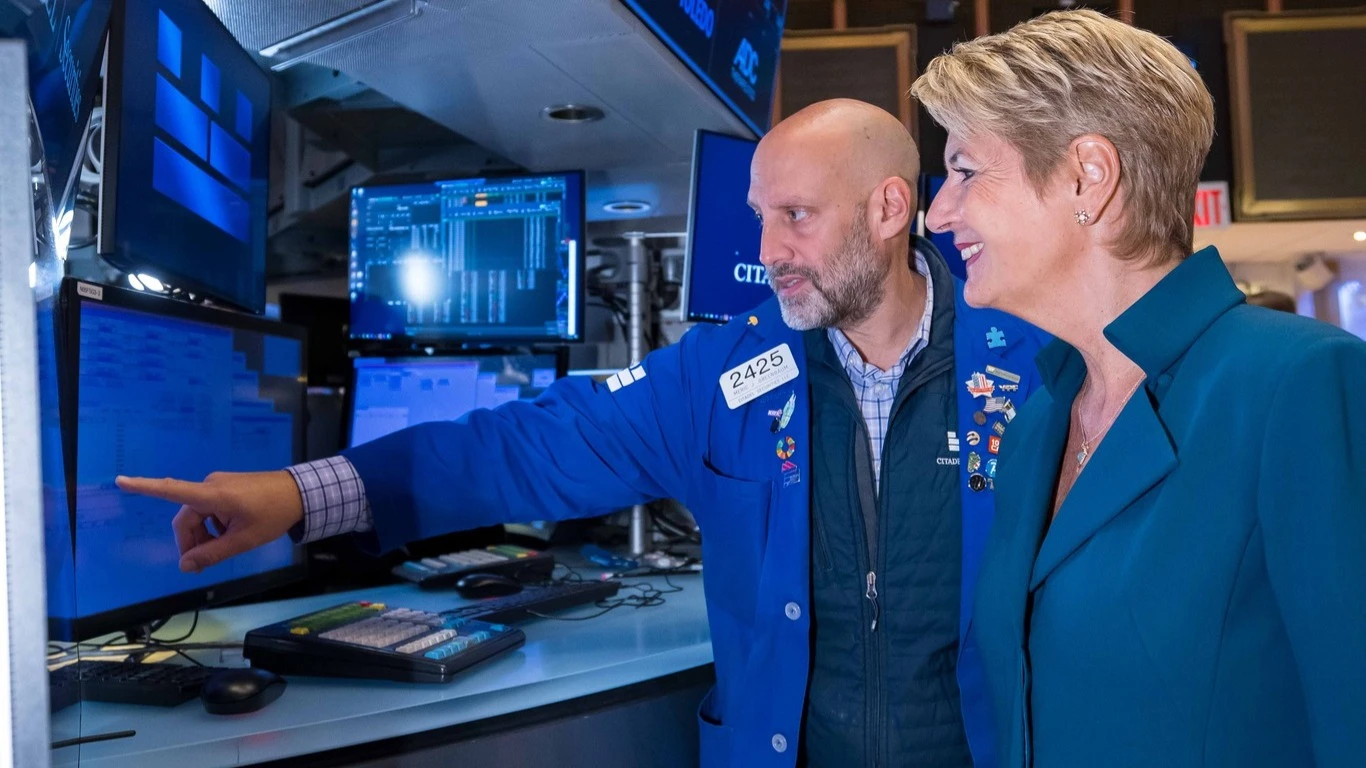
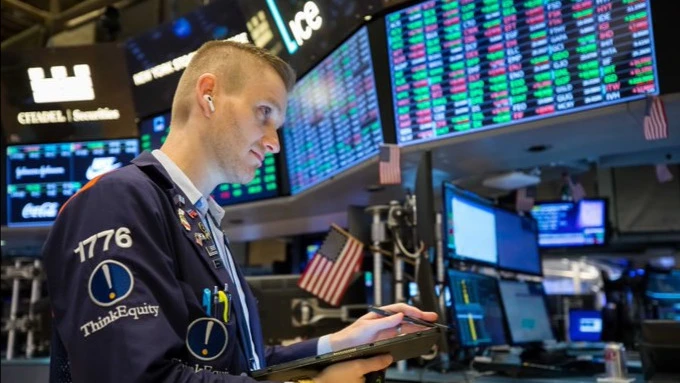
Wall Street rotation is "gaining speed," says Bloomberg. / Photo: Facebook / NYSE
The Russell 2000, which tracks shares of small- and mid-cap companies, outperformed the broader U.S. market benchmark, the S&P 500, for a ninth consecutive session on Wednesday, January 14. That marks the index’s longest winning streak against large caps in 25 years, Bloomberg reports. The move reflects growing investor skepticism over the durability of artificial intelligence-driven gains, resulting in capital rotation.
Details
The Russell 2000 rose 0.7% on Wednesday to close at 2,651.64 points and set another all-time high, the previous record having been set two days before.
On Wednesday, the Russell 2000 was the only one of the four major U.S. stock indexes to post gains. The S&P 500 fell 0.53%, while the Russell 2000 outperformed it for the ninth straight session, matching its longest such streak since 1990, Bloomberg noted. The Dow Jones Industrial Average was little changed, slipping 0.09%, while the Nasdaq Composite recorded the sharpest decline, falling 1.00%.
Drivers
The first weeks of 2026 have been marked by a steady rotation of capital out of mega-cap tech companies, whose stable earnings made them attractive during periods of economic uncertainty, into a broader set of growth-sensitive assets, Bloomberg writes.
The article points to Fed rate cuts as a key driver. The Fed cut rates three times in 2025, and borrowing costs for small companies, which have more floating-rate debt than larger peers, have fallen. Lower rates ease debt burdens, free up capital for growth, and make the small-cap segment more attractive to investors, Noble Capital Markets noted.
After a four-year period of sideways trading, the Russell 2000 is breaking out above multiyear resistance and attempting to make another leg higher, according to Bespoke Investment Group strategists cited in the Bloomberg article.
Meanwhile, traders are questioning the durability of the AI trade, prompting money managers to diversify away from the bull market’s longtime winners, Bloomberg adds.
The Bespoke strategists note that the Russell 2000 has outperformed the S&P 500 since its closing low on November 20, highlighting the best sectors in small caps during this rally as materials, industrials, consumer discretionary, and technology, which are all cyclicals.
One of the widest gaps recently between small-cap and large-cap performance has been in technology, Bespoke points out. The average Russell 2000 tech stock has far outpaced the large-cap tech sector (cap-weighted) in the span. “This is another example of the rally broadening out from the previously concentrated gains seen in mega-cap tech,” Bespoke said
Outlook
Regardless of how tech stocks perform in 2026, the market’s “broadening trend” is likely to play an even larger role as the bull market continues, said Clark Bellin, president of Bellwether Wealth, as quoted by Bloomberg.
"I actually believe strongly that the broadening out with smaller-cap names will be a trend to watch this year," Mike Dickson, head of research and quantitative strategies at Horizon Investments, told MarketWatch in a phone interview. Investors are increasingly locking in profit and rotating into smaller caps that have not gone up as much as large-cap peers, he said.
“Ultimately, we see a bit more downside for the S&P 500, but there are plenty of opportunities on the long-side as this ‘rotation nation’ continues,” Jonathan Krinsky, an analyst at BTIG, was quoted as saying by Bloomberg. A “rotational” bull market is likely after three strong years of returns, currently rewarding investors willing to rotate “down-cap” into value leaders showing relative strength, noted Craig Johnson from Piper Sandler.
This view is supported by data from Goldman’s Risk Appetite Indicator, which climbed to the highest since early 2025, placing current optimism among clients in the 96th percentile historically. Confidence in global growth has outweighed geopolitical and macroeconomic concerns, Bloomberg points out.
While elevated risk appetite is often seen as a sign that investors are growing over-exuberant, dynamic growth in the U.S. and other regions may justify the bullish outlook this time around, Lee Coppersmith, managing director at Goldman Sachs, was quoted as saying.