Senators determined to stop Trump from easing rules on Nvidia's AI chip exports to China
Earlier this week, Nvidia achieved a "lobbying victory" by avoiding another bill to tighten the terms of chip shipments to the PRC

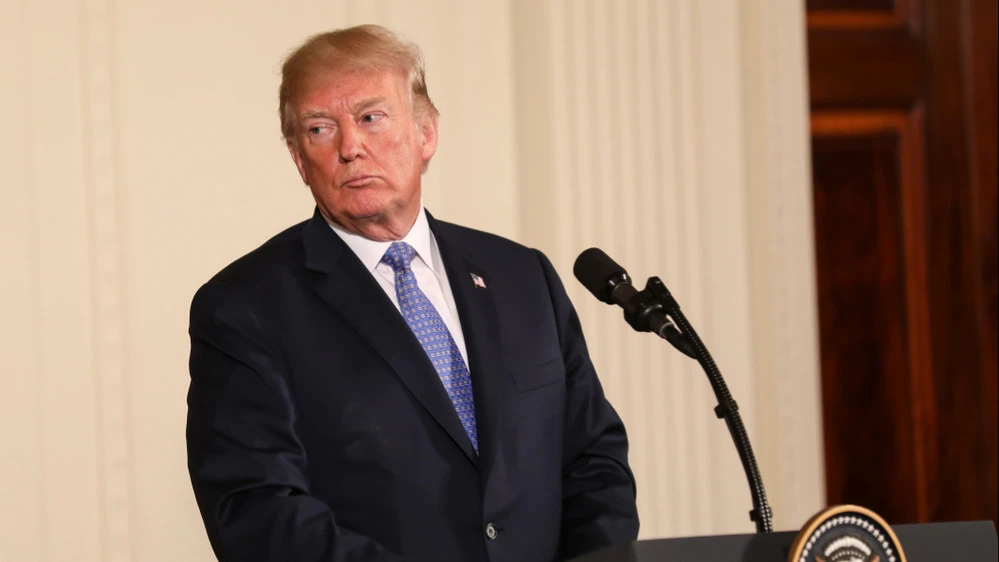
A group of Democratic and Republican senators on Thursday introduced a bill that, if passed, would prevent US President Donald Trump's administration from relaxing at will the rules for exporting AI chips to China. This primarily concerns products from the global leader of this market, Nvidia.
Details
A document called the SAFE CHIPS Act was introduced on December 4 by Republican Senator Pete Ricketts and Democrat Chris Coons.
The bill would require the U.S. Department of Commerce, which oversees export controls, to automatically deny, for at least 30 months, all license requests from buyers in China (including Hong Kong and Macau), Russia, Iran, and North Korea for U.S. AI chips more advanced than those already authorized for shipment. After that deadline, the department would be required to alert Congress of all proposed rule changes one month before they take effect.
"Denying Beijing access to the best U.S. AI chips is a matter of national security," Ricketts said (quoted in a post on his website).
What does that mean
The SAFE CHIPS Act is becoming a new hurdle for Nvidia's attempts to convince the Trump administration and Congress to ease export restrictions that prevent the company from selling its advanced AI chips to China, according to Bloomberg.
The initiative, co-authored by Republican Dave McCormick and Democrats Jeanne Shaheen and Andy Kim, was a rare example of an attempt to rein in the president, coming also from members of his own party, Reuters noted. Washington's hardliners on China fear Beijing could use advanced chips to bolster its military, including AI weapons, intelligence and surveillance capabilities, the agency explained.
The SAFE CHIPS bill comes amid discussions within the Trump administration about the possibility of approving sales of Nvidia's new H200 AI chips to China, Reuters explains. The SAFE bill was introduced just a day after Nvidia CEO Jensen Huang held a closed-door meeting with Republicans on the Senate Banking Committee overseeing export control programs, Bloomberg notes. That same day, Huang discussed overseas shipments with Trump.
As part of talks with Beijing to delay Chinese measures on rare earth metals, Trump has already delayed by a year the entry into force of a new rule restricting U.S. technology exports to units of previously blacklisted Chinese companies. He also rescinded a President Joe Biden-era rule that imposed restrictions on exports of AI chips to certain countries over concerns they could then be diverted to China.
Context
The SAFE CHIPS Act also comes just a day after Nvidia scored a major lobbying victory: according to Bloomberg, the U.S. Congress declined to advance a separate export control bill called the GAIN AI Act. It would have required processor makers, including Nvidia and its main rival AMD, to prioritize U.S. customers when selling their most advanced chips.
This article was AI-translated and verified by a human editor