Seoul has proposed sharing AI earnings with citizens. Shares of Samsung and SK Hynix fell
The presidential office's initiative to redistribute the income of chipmakers also triggered a decline in the Kospi index

South Korean authorities say the current semiconductor boom points to a prolonged "supercycle" / Photo: Unsplash/Samsung Memory
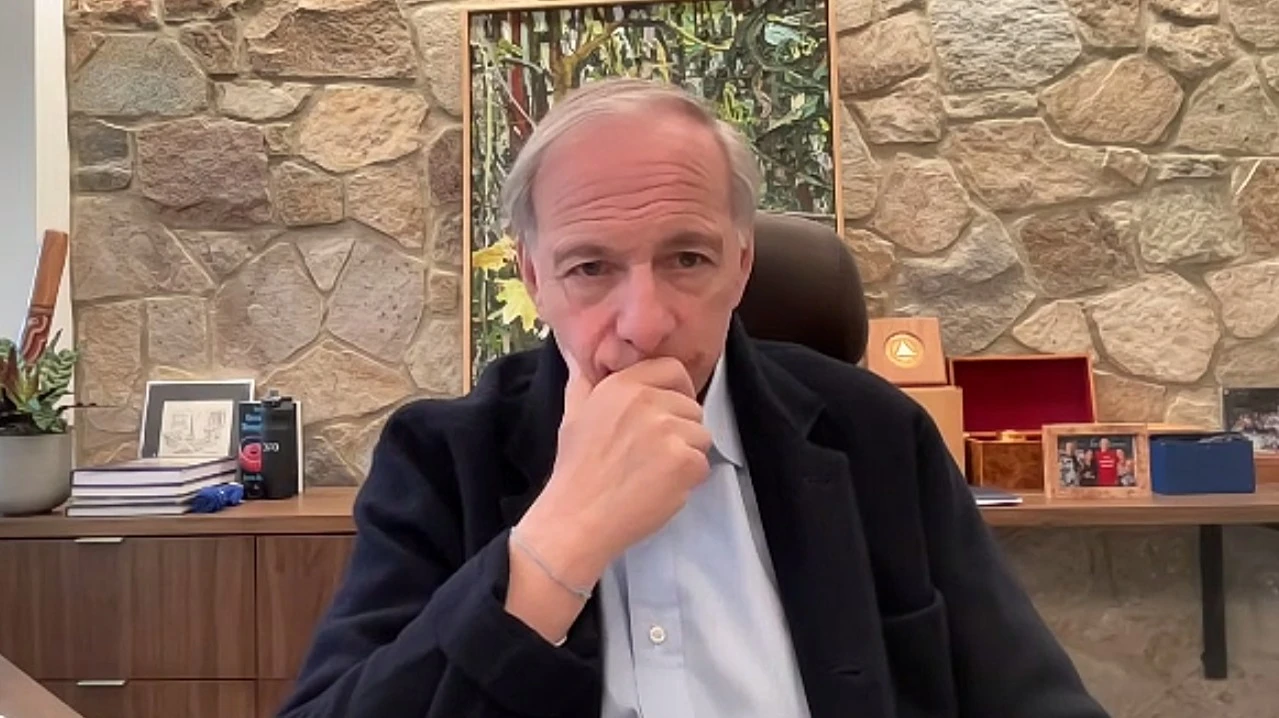
South Korea should share the profits from the artificial intelligence boom with all its citizens, said the head of the Presidential Policy Office, Kim Young-bom. This led to a decline in the shares of local memory chip makers Samsung and SK Hynix, as well as the benchmark of the South Korean market - the Kospi index, writes the Financial Times (FT).
Details
Kim Young-bom floated the idea of redistributing some of the skyrocketing profits of Korean chipmakers in a Facebook post after Samsung Electronics' market value topped $1 trillion last week and SK Hynix shares have nearly tripled this year. The official's comments carry a lot of weight as he helps shape the South Korean government's economic policy framework, the FT notes.
Kim noted that the current semiconductor boom points to a prolonged "supercycle" that could generate huge tax revenues for the government. "In such a case, the question of how to utilize this money is not just a policy option - it becomes a matter of institutional design that needs to be seriously considered," he wrote.
Kim also emphasized that one of Korea's main concerns is that "excess profits in the AI era can structurally exacerbate the divide in society," and insisted on the need to use some of those profits to maintain social stability.
Kim later clarified that he was only referring to "excess tax revenues" caused by the AI boom, not the proposal for a new corporate income tax. He added that the excess revenues from the semiconductor boom of 2021-2022 were spent erratically, and warned that "letting those revenues disappear in the same way may be tantamount to squandering a once-in-a-generation historic opportunity."
Market Reaction
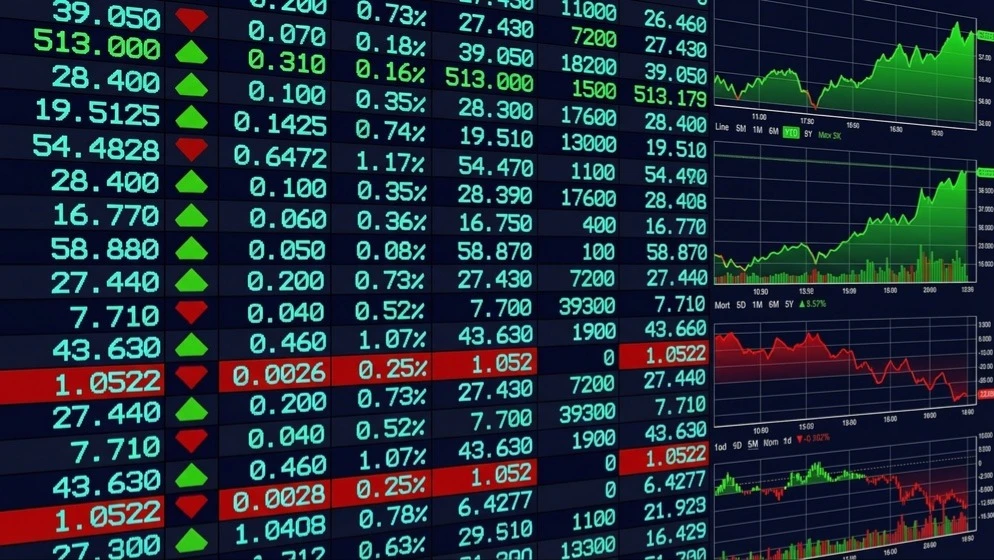
Shares of Samsung and SK Hynix fell 3.5 percent and 1.4 percent respectively on Tuesday, while South Korea's main Kospi index fell nearly 5 percent as investors tried to gauge the potential implications for the sector.
"His words sound very controversial, especially since he initially proposed redistributing both excess corporate profits and increased tax revenues," said Chaewon Lee, chairman of Seoul-based Life Asset Management. - Investors need clearer signals on how this will work. It won't be easy for the government to go against the basic principles of capitalism."
"Investors don't like unexpected surprises and lack of transparency," said Namu Ri, chairman of the Korea Corporate Governance Forum. - Kim's comments were taken as a hint of anti-market policies, and investors are concerned that the government may backtrack on its market and corporate governance reforms."
Context
Kim's statements come against the backdrop of memory chips becoming a bottleneck in the global AI infrastructure supply chain. Samsung and SK Hynix's capacity to produce advanced high-bandwidth memory is already fully booked for this year, the FT writes.
Samsung and SK Hynix have a combined operating profit of 90 trillion won ($61 billion) in 2025, equivalent to about 3% of South Korea's GDP. Nomura's Asia-Pacific equity research co-head K. W. Chang estimated that their total profits this year could reach 600 trillion won ($413.8 billion) - nearly a quarter of the entire Korean economy, the FT highlights.
Such high demand has turned both companies into some of the most profitable in the world. Their success has also intensified the debate about how the wealth created by the AI boom is distributed among workers, highlighting the growing inequality between a few prosperous sectors and the rest of the economy, adds the FT.
This article was AI-translated and verified by a human editor