Startup with investments from Google and China's "little dragon": key facts about the IPO by December 28

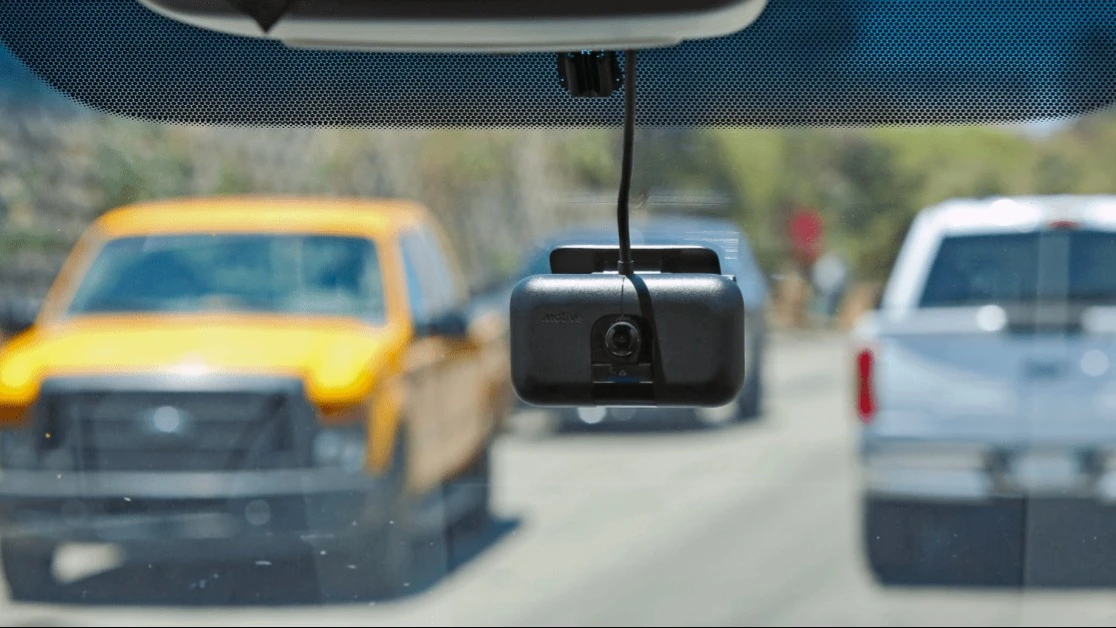
Motive Technologies, a developer of fleet management software backed by Alphabet's venture capital arm, has filed for an IPO. Hong Kong is preparing to list shares in two Chinese startups working in the field of artificial intelligence. Here are the week's top IPO market events in our selection.
What has become known about future placements
— Motive Technologies, whose investors include Google Ventures, has filed for an initial public offering. Motive Technologies is based in Silicon Valley and develops software for managing vehicle fleets using artificial intelligence. According to its own data, the Motive platform has helped prevent more than 170,000 accidents since 2023. In the latest round, the company was valued at $2.85 billion. In the first nine months of 2025, Motive Technologies' net loss grew by 22% year-on-year to $138.5 million, while revenue increased by the same amount to $327.3 million.
— Shanghai Biren Technology, a manufacturer of artificial intelligence chips known in China as one of the "four little dragons" in the graphics processor sector, plans to raise up to $623 million in an IPO in Hong Kong. Trading in the company's shares is expected to begin on January 2. A successful share placement could encourage other Chinese AI companies to list on the Hong Kong stock exchange, notes the WSJ.
— MiniMax, one of China's leading artificial intelligence developers, also plans to hold an IPO in Hong Kong in early January, Reuters sources said. The offering is expected to raise up to $700 million. MiniMax creates multimodal AI models that can process text, audio, images, and video. Its investors include tech giant Alibaba Group.
— PayPay, a payment service controlled by SoftBank, may conduct an IPO in the first quarter of next year, a source told Reuters. The offering was previously planned for December 2025 but was postponed due to the US government shutdown. PayPay is expected to be valued at more than $20 billion during the IPO.
— Norwegian technology company Visma has significantly expanded the list of banks involved in preparing its IPO. American banks Goldman Sachs, Morgan Stanley, Bank of America, as well as European lenders Banco Santander, Barclays, and BNP Paribas are working on the deal, according to Bloomberg sources. According to them, the number of banks involved in the deal indicates the scale and complexity of the proposed offering, which could be one of the largest in Europe this decade. Visma, founded in 1996, sells software for small and medium-sized businesses. In 2023, the company was valued at €19 billion. Visma's roadshow for investors is expected to begin in the first half of 2026.
Other important IPO news
— China is easing IPO requirements for space companies to reduce its lag behind the US in commercial space exploration, Reuters reports. Chinese companies developing reusable commercial rockets will be able to list on the STAR Market in Shanghai under an expedited procedure, without having to meet profitability and minimum revenue requirements. Instead, they will have to achieve key technological milestones, including at least one successful orbital launch using a reusable rocket.
— Hong Kong, which was one of the most active IPO markets this year, is beginning to show signs of weakening demand, writes the Financial Times. By December, IPOs and secondary placements in Hong Kong had raised $35 billion, making it the world's largest platform in terms of listing volume. However, according to the publication's analysis, in approximately 50% of placements since the beginning of November, shares did not rise on the first day of trading. IPO organizers had to intervene and buy back shares to support prices. "The market is overloaded," one Hong Kong-based manager told the newspaper. "Too many companies are going public." At the same time, the list of candidates for listing in 2026 remains long: according to the exchange, more than 300 companies are planning to conduct IPOs.
This article was AI-translated and verified by a human editor