Stocks plummet, oil above $101, Iran further blocks tankers: results of the 13th day of war
The US has admitted that it is not yet capable of providing military escorts for tankers through the Strait of Hormuz


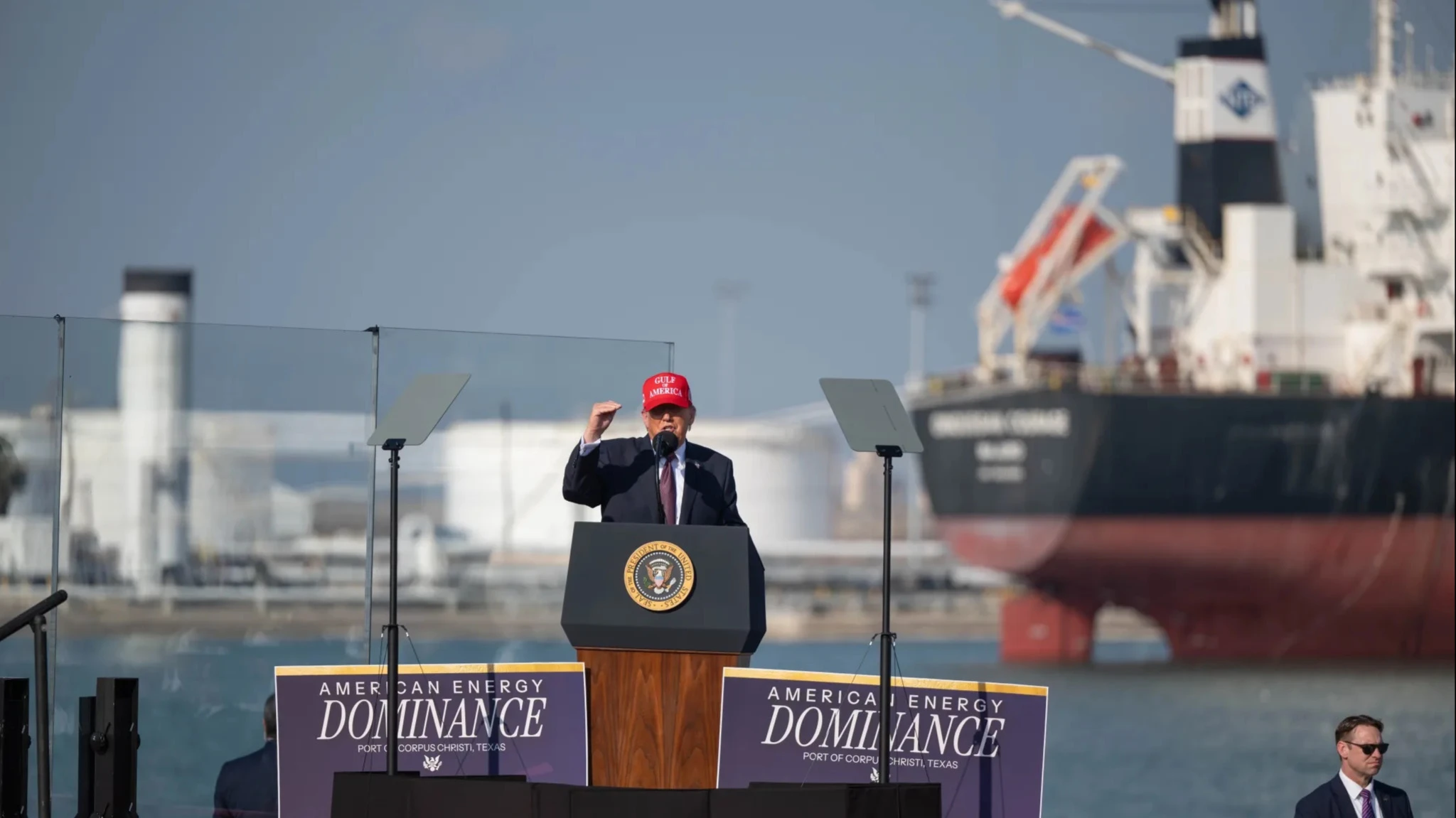
The rhetoric of the U.S. and Iran does not yet point to an imminent end to the war / Photo: White House
On March 12, U.S. stocks fell sharply in price amid an accelerated rise in oil prices. All three major U.S. stock indices fell by more than 1.5%, and the Wall Street Fear Index jumped again by 11%. Iran said it would continue to block the Strait of Hormuz, the most important transportation artery for the global oil market. The U.S. does not rule out the involvement of an international coalition of forces to convoy tankers in the Persian Gulf, but it is not yet able to ensure the safety of ships.
Details
- The Dow Jones Industrial Average blue-chip index fell more than 700 points, or 1.56%, on March 12. It fell below 47,000 points and reached its lowest closing level in 2026.
- The S&P 500 broad market index fell 1.5% to its lowest closing level since November 2025. Despite the ongoing war, the index is holding about only 4% below the record level reached in January, CNBC noted.
- The Nasdaq Composite Technology Sector Index lost 1.8% on Thursday.
- The CBOE Volatility index, known as the "Wall Street Fear Index", on the contrary, resumed its growth. It climbed more than 12% and exceeded 27 points.
- WTI crude futures rose by 10% to $96.3 per barrel at the close of exchanges in New York. Brent crude oil Mark also rose by 10% and held above $101 per barrel. Brent ended trading above $100 for the first time since 2022, Bloomberg noted.
- Spot gold prices were down 1.7% to $5087.7 per troy ounce. Silver cheapened by 1.4% - to $84.55.
- Bitcoin has been holding steady at around $70,000 and has not shown much momentum.
What about the stock
Sale of American shares on Thursday had a wide character, writes CNBC: securities from banking and technological sectors were in minus. Among financial companies, Morgan Stanley shares (-4%) fell the most. Banking stocks fell after requests for withdrawals from private finance funds forced Morgan Stanley and Cliffwater to limit withdrawals, Bloomberg writes. Deutsche Bank reported a $30 billion exposure to the sector.
Energy companies, including Chevron and Exxon Mobil, traded in the plus, rising 2.7% and 1.3%, respectively.
Short-term U.S. Treasury bonds fell in price after traders stopped fully laying in the prices of the Fed's rate cut in 2026, Bloomberg writes. The yield on two-year government bonds rose 9 basis points to 3.74%. According to the CME FedWatch tool, the probability that the Fed will keep the key rate in the current range rose to 46.1% on Thursday. By comparison, it stood at 23.5% on Wednesday and just 5.1% a month ago, Barron's wrote.
What about the oil
Oil prices continued to rise on Thursday after Iran's new supreme leader Mojtaba Khamenei, appointed on March 9, said the Strait of Hormuz, which connects the Persian Gulf to the world's sea lanes, should remain closed as "an instrument of pressure on the enemy."
The U.S. Navy is not currently prepared to escort oil tankers through the strait, although it will probably become possible by the end of the month, U.S. Energy Secretary Chris Wright told CNBC on Thursday. Two days ago, a post on his X social media page said a U.S. Navy vessel had escorted an oil tanker through the strait for the first time, causing oil prices to plummet. However, the post was soon deleted and the White House confirmed that there was no escort.
"I believe that as soon as it is militarily feasible, the U.S. Navy, perhaps along with an international coalition, will begin escorting ships through the strait," U.S. Treasury Secretary Scott Bessent told Sky News on March 12 (quoted by CNBC).
The U.S. will release 172 million barrels of oil from the Strategic Petroleum Reserve to cushion rising energy prices, Wright said Wednesday evening. It will take about 120 days to deliver that amount of fuel. "Right now, we're going to reduce inventories a little bit, and that will bring prices down", US President Donald Trump promised. A day earlier, the International Energy Agency agreed to a record release of oil inventories - which, however, did not help lower commodity prices.
Also, the administration of U.S. President Donald Trump plans to issue temporary exemptions from the law requiring the use of only U.S.-built ships for the transportation of goods between U.S. ports, Bloomberg reported. This will reduce the costs of logistics companies for fuel transportation, the agency believes.
What the analysts are saying
- "Iran's strategy to create economic chaos in the Persian Gulf is working: tankers are under attack, the Strait of Hormuz remains closed, and Brent has risen above $100," wrote Vital Knowledge founder Adam Crisafulli, as quoted by CNBC. - The U.S. and Israel dominate militarily, and Iran's missile and nuclear programs may have been weakened, but the hardline leadership in Tehran is firmly in power, and its plan now appears to be to use oil as leverage, pushing Trump to withdraw from the conflict."
- "If energy costs and gasoline prices remain at current levels or rise due to events in the Middle East, it could worsen consumer sentiment and bring affordability of living issues back to the forefront as the U.S. midterm elections approach," Ameriprise chief market strategist Anthony Saglimbene told CNBC. He noted, however, that U.S. household balance sheets remain in good shape, income and employment levels are now solid, and inflation continues to ease. "Over time, if inflation continues to slow, aside from the temporary impact of energy, and markets and the economy remain resilient, Americans' attitudes about their ability to pay for daily living may improve."
- "As long as transportation accessibility issues in the [Strait of Hormuz] persist, oil prices will remain high, raising the risk that the conflict will impact the economy," strategists at Bespoke Investment Group told Bloomberg.
- "We're still trying to look through this short-term news noise as we still believe the conflict and the Strait closure will last weeks or months but won't significantly change the long-term outlook [for global oil demand]," Wells Fargo Investment Institute's Samir Samana told Bloomberg.
- Traders are preparing for Friday's release of PCE inflation data, the Fed's preferred measure of price growth. "The risks to this data could be asymmetrical," Kyle Rodda of Capital.com explained to Bloomberg. - A weak or neutral report will be taken by the market as a normal development. But a strong report will reinforce concerns that inflation is starting to accelerate just amid the inflationary effects of the energy crisis."
This article was AI-translated and verified by a human editor