STOXX 600 YTD leader Abivax tumbles 10% in a day on 9m25 earnings
The YTD gain for the French biotech is still almost 1,300%

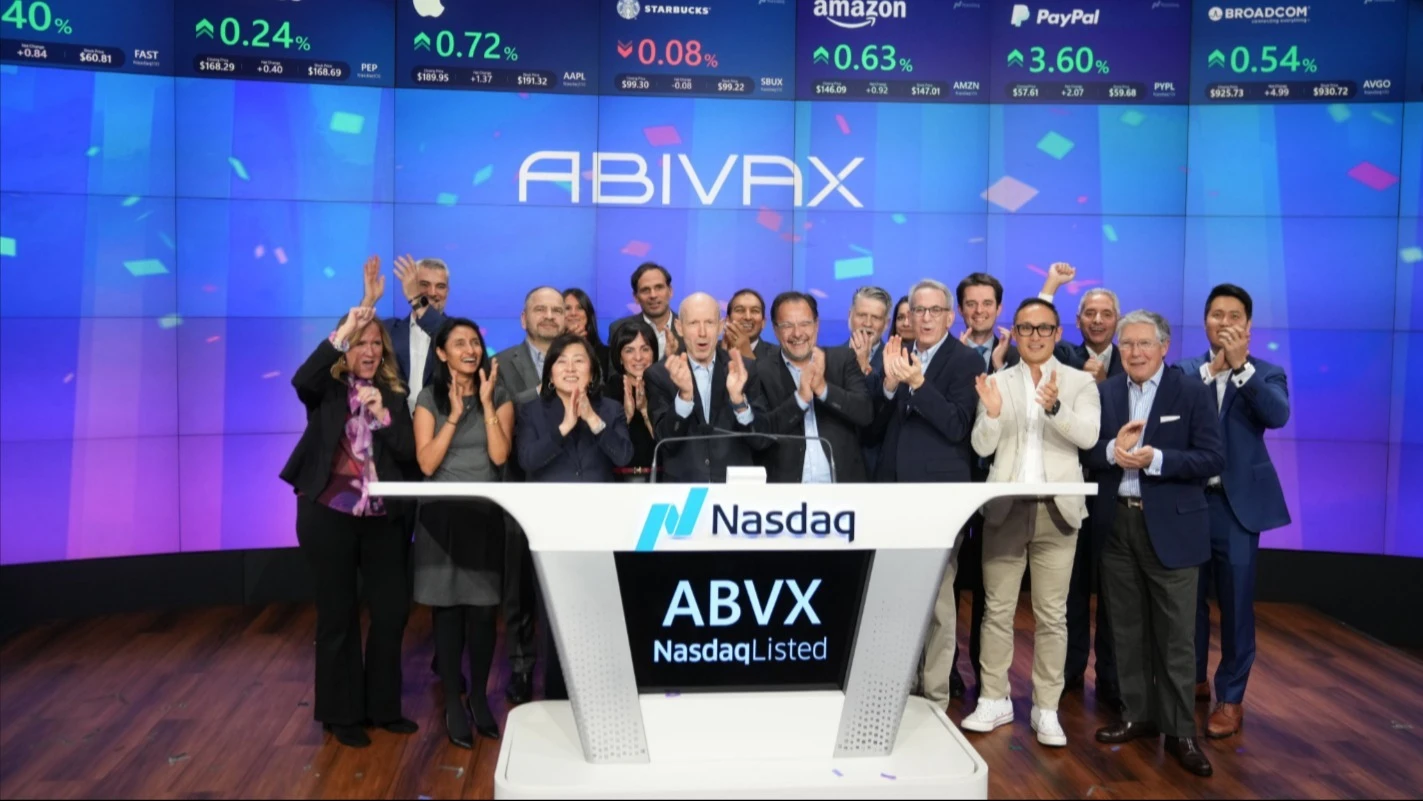
Shares of French biotech Abivax fell 10% in Paris on Tuesday, December 16, and lost nearly 6% in New York. The stock was the worst performer in the STOXX Europe 600 index of European blue chips at the end of the session, even though it remains the undisputed leader in terms of gains in 2025: the share price is still up 1,292% year to date. Investors are placing high expectations on Abivax’s experimental drug, and 2026 could bring several events that may serve as drivers for the stock, CNBC reports.
Details
Abivax shares fell 9.7% in Paris to EUR94.10 per share, while trading in New York ended down 5.9%. The selloff followed the company’s report of a widening loss for the first nine months of 2025, Investing.com wrote. The net loss deepened to EUR254 million, versus EUR137 million a year earlier, largely due to the the costs of running a one-year clinical trial of obefazimod, the company’s lead asset, CEO Marc de Garidel told CNBC.
By the close, Abivax was the weakest stock of the day in the STOXX Europe 600, according to CNBC. At the same time, it remains the index’s strongest performer year to date: the shares had risen 1,441% before Tuesday’s decline, which dropped to 1,292% after the selloff. The rally has been driven by the success of late-stage trials of obefazimod for ulcerative colitis, a chronic inflammatory disease of the large intestine. In July, Abivax published phase III data that sent the stock up by about 510% in a single session. The shares have continued to climb since then on investor optimism about the company’s pipeline, as well as unconfirmed reports of potential acquisition interest from larger industry players, CNBC noted.
Outlook
Abivax stock has several potential catalysts in 2026, writes CNBC.
First, the company plans to submit an application for regulatory approval of obefazimod in the U.S. “Hopefully that will mean a launch in Q3 of 2027 in the United States,” de Garidel told CNBC.
Second, mid-stage trials of obefazimod in Crohn’s disease, another chronic inflammatory bowel condition, are under way. Abivax expects to present results from those studies by the end of next year.
Third, the annual JPMorgan Healthcare Conference in January is a key industry event where companies often make announcements. Abivax plans to explain why the ulcerative colitis market could expand much faster than previously anticipated, including "thanks to the profile of obefazimod and possibly also the profile of another competitive drug,” de Garidel said.
Abivax does not yet generate revenue, as obefazimod remains in clinical-stage trials across all indications. In summer 2025, however, the company raised about $750 million through the placement of American depositary shares on the Nasdaq, which, the CEO says, provides funding through the end of 2027. At the same time, market participants have been talking about a possible sale of Abivax to U.S. pharmaceutical giant Eli Lilly. Acquisition reports sharply boosted the stock earlier in December, as Reuters wrote last week. A Lilly spokesperson told Reuters that the company does not comment on “business development activity,” while Abivax declined to comment on "market rumors."
What analysts say
Piper Sandler raised its target price for Abivax shares from $112 to $142 per share on Tuesday, implying 28% upside versus the latest close. Barclays and Truist Financial reiterated their “buy” ratings, with target prices of $142 per share and $140 per share, respectively. Citizens raised its target to $131 per share from $114 per share, while maintaining an “outperform” rating.
Overall, analysts remain overwhelmingly upbeat on the stock. Abivax has 13 “buy” ratings and one “outperform” recommendation versus a single “hold,” according to MarketWatch data. The consensus target price for the company’s ADRs is $125.22 per ADR, for about 12% upside versus the New York closing price on December 16.
Simply Wall St cautions that risks remain. Abivax is still unprofitable and highly dependent on regulatory approval of its lead drug. In addition, the ulcerative colitis market is attracting increased interest from major pharmaceutical companies: Merck, Roche, Pfizer, and Eli Lilly have spent billions of dollars in recent years acquiring developers of novel therapies for inflammatory diseases, BioPharma Dive noted.