Tesla investors vote for record $1 trillion compensation for Musk

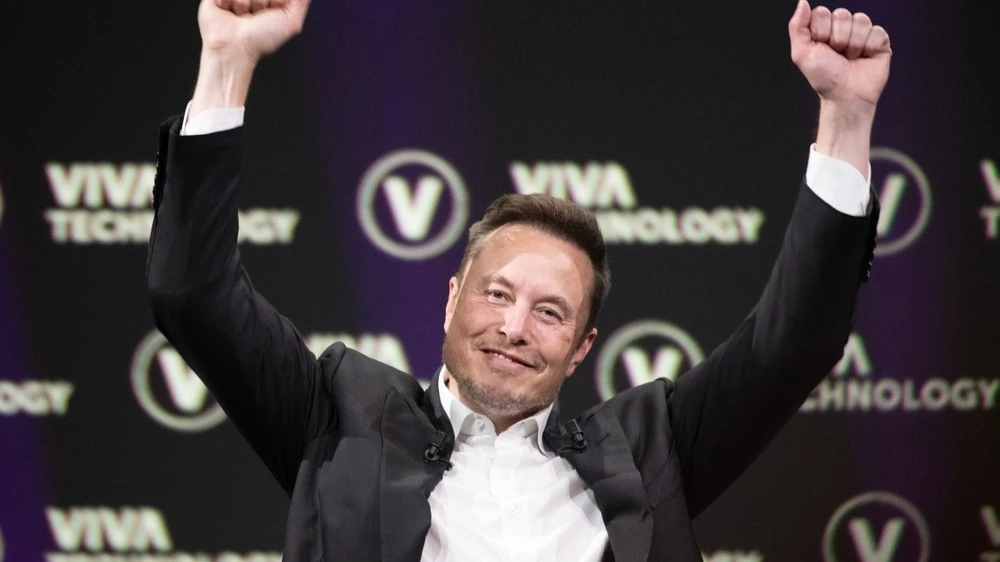
Tesla investors on Nov. 6 backed a record compensation package for CEO Elon Musk, Barron's reports. "More than 75% of shareholders voted in favor.
Tesla shares jumped 1.8% in extended trading in New York. They ended the main trading on November 6 with a 3.5% drop amid a broad sell-off in technology stocks.
The compensation package designed for Musk suggests that over ten years his stake in Tesla will increase from about 15% to 25% and potentially reach a value of $1 trillion. To get such a stake Musk needs to achieve several ambitious goals. Among them are the sale of a million Optimus humanoid robots and an increase in market capitalization from $1.5 trillion to $8.5 trillion.
The purpose of the giant reward is to incentivize Musk to focus on overcoming the crisis at Tesla, which is facing falling sales. Investors had hoped Musk would take over after leaving the Donald Trump administration, but that didn't happen: instead of Tesla, the billionaire focused on startup xAI in an attempt to catch up in the artificial intelligence race, The Wall Street Journal wrote. According to the Journal, in recent weeks some of Tesla's major investors have privately questioned top executives and the board about how much attention Musk is paying to the company and whether there is a plan to change the CEO. For their part, board members have acknowledged that they can't make Musk work at Tesla full-time, but have told investors that his focus on AI will ultimately benefit Tesla, the WSJ wrote.
Shortly before the vote, Norwegian Petroleum Fund, a top-10 Tesla shareholder, and several other investors said they would vote against the compensation. However, Musk is backed by a significant base of retail shareholders - some even used their social media audiences to urge investors to take money out of brokerages that would vote against the proposed compensation.
Chairman Robin Denholm has previously warned that Musk could leave the company if shareholders do not approve his compensation. Musk himself also said he was not ready to "create an army of robots" without a 25% stake in the company. As a result, investors who did not support the payout were "between a hammer and anvil," Brian Quinn, a professor at Boston College Law School, told Bloomberg. According to him, it was "essentially a forced vote."
This article was AI-translated and verified by a human editor