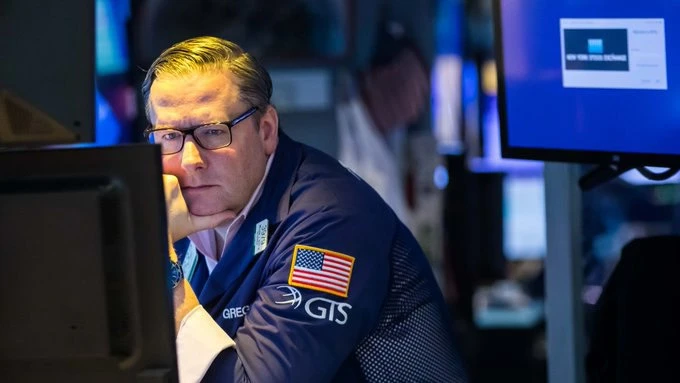
The analyst named the main risks for the markets in 2026. Among them - undervalued

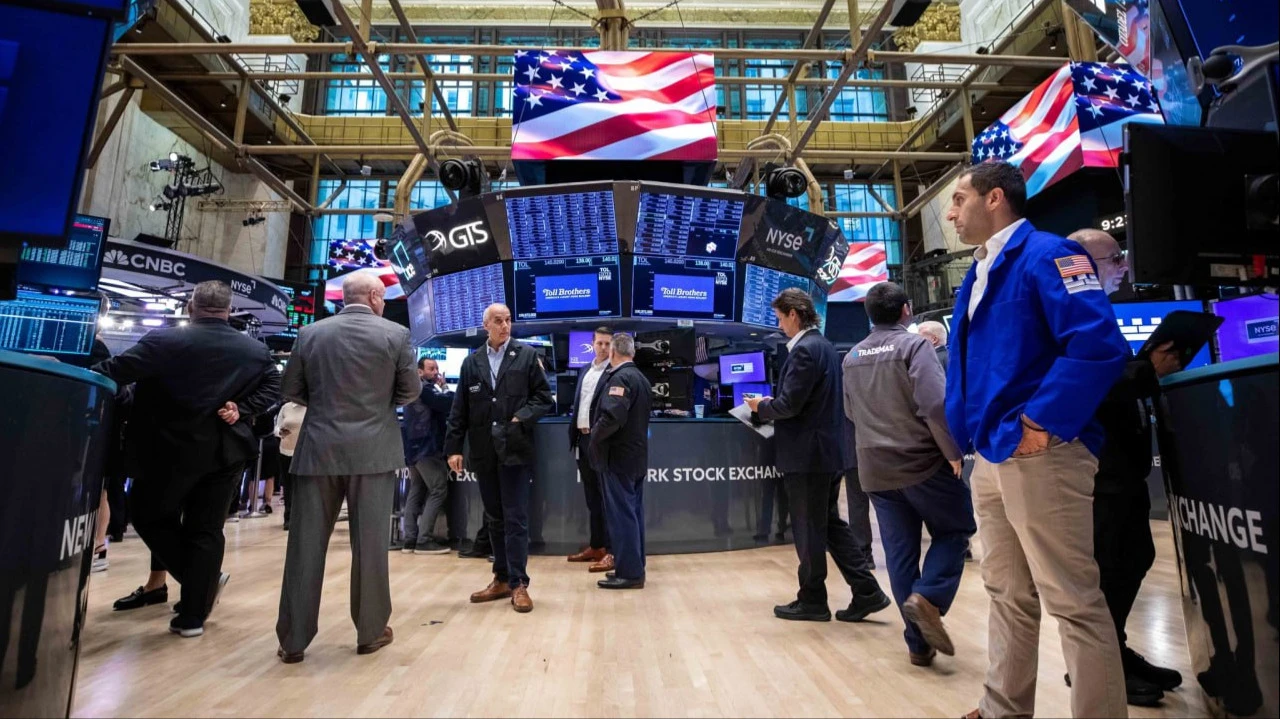
Global X Investment Company attributes the main risks for the market in 2026 to the development of AI / Photo: Facebook / NYSE
The dependence of the S&P 500 index on the sentiment of investors invested in AI-related stocks is of concern to Scott Helfstein, a strategist at Global X Investment Company. In a note cited by MarketWatch, the analyst highlighted key risks to the markets in 2026. The main one is a disruption in the AI supply chain, a factor Helfstein calls the most underestimated by investors.
What's troubling Global X in the AI sector
Record reporting and optimistic forecasts from contract chipmaker Taiwan Semiconductor Manufacturing this week breathed new life into the sentiment around artificial intelligence. And just in time, MarketWatch notes: despite signs that investor interest in the stock is starting to expand beyond the tech sector, many analysts still believe that the S&P 500 index will not be able to grow significantly without support from the largest AI companies, the publication writes.
"The AI trend is now at a stage where even minor disruptions can dramatically affect expectations. It was enthusiasm for AI adoption that drove market growth, but recent volatility has shown that current valuations are built on the assumption of continuous scaling of computing capacity," Helfstein warned.
Where the analyst sees supply chain bottlenecks
According to Helfstein, the semiconductor industry looks particularly vulnerable in this context. "Semiconductors are the basis of AI progress, but the production base for advanced chips remains extremely narrow," the analyst emphasizes.
He estimates that more than 70% of global revenue from contract chip manufacturing and up to 92% of all the most advanced chips come from Taiwan, mainly due to TSMC. The analyst notes that the threat of an invasion of the island by China or even less drastic steps - sanctions, restrictions on airspace flights or military exercises in the region - could disrupt logistics or delay equipment deliveries. "Taiwan's geography only adds to its vulnerability: the island is located in the Pacific fire belt, which means an increased risk of earthquakes, tsunamis and extreme weather events," Helfstein points out.
He also recalled the unique role ofthe Netherlands-based ASML, which remains the sole supplier of the EUV lithography systems needed to produce the most advanced chips. These machines consist of specialized optics and components produced by a limited number of companies, creating a tightly interconnected supply chain with a minimum of alternatives.
Possible shortage of AI infrastructure
Data center construction is facing increasing regulatory scrutiny due to high power and water demands. "Rising utility bills, land disputes and concerns about the industry's energy intensity could slow down approval for new data center connections or even lead to moratoriums," Helfstein warns.
In addition, construction may be constrained by shortages of materials such as copper, the price of which hit a record high in January. Chile, Peru and Congo provide nearly half of the world's copper production, making the market susceptible to political crises, labor conflicts and climate disasters. The supply of rare earth metals - gallium and industrial gases needed for chips and lithography - faces similar challenges. Their mining is also concentrated in certain regions and has no easy substitutes. And while diversification efforts are underway, progress in replacing retired suppliers will be slow, says Helfstein.
All of this, he believes, has the potential to negatively impact the revenues of hyperscalers and AI software developers, but it also creates opportunities for companies in copper mining, energy and, in particular, uranium.
What other threats does Global X see
Among the threats to markets, Helfstein cited risks to the credibility of the Federal Reserve, which could make monetary policy less effective.
Also, amid ongoing global trade tensions, stock exchanges could be affected by expected U.S. trade talks with Canada, Mexico and China, the country's three largest partners.
The consequences of the Venezuelan crisis have not yet fully manifested themselves, including the impact on energy markets and the aggravation of geopolitical risks, the analyst writes.
Investors should also keep an eye on domestic political instability within the U.S., from party polarization to threats of shutdowns and falling confidence in fiscal policy, says Helfstein.
This article was AI-translated and verified by a human editor