"The best way to get rich is to live longer": the rules of investment by Mark Mobius
"The Godfather of Emerging Markets" - on the qualities investors need, lessons learned and the "Mobius Method"
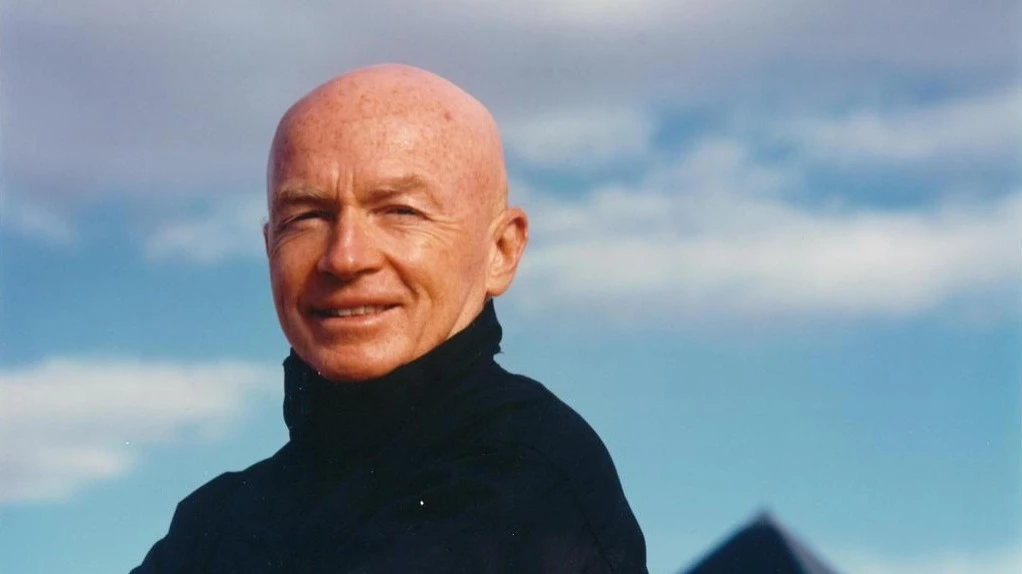
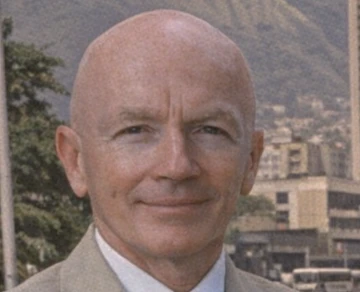
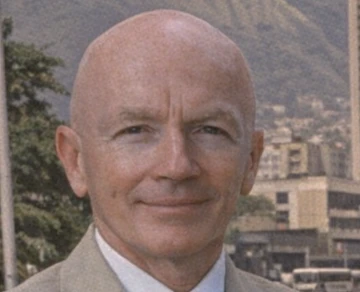
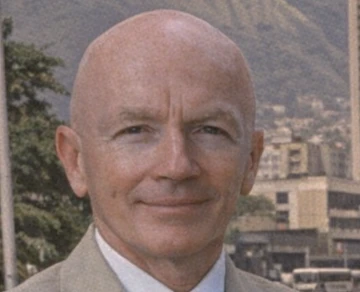
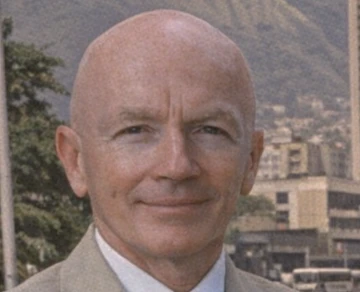
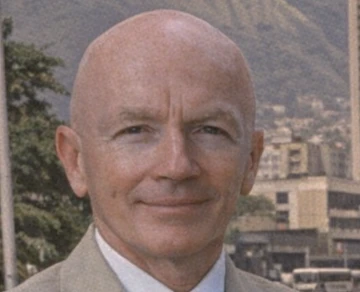
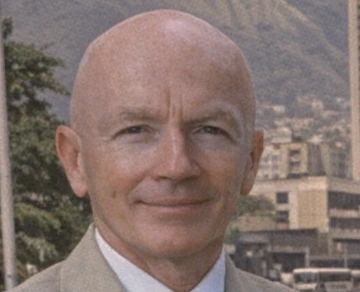
The best time to buy comes when others are gripped by uncertainty and sell, Mobius said / Photo: markmobius.com
On April 15, Mark Mobius, the man who transformed emerging markets from exotic to a fully-fledged asset class for global investors, died at the age of 89. By his own estimates, Mobius traveled to no less than 112 countries. He believed that population growth, urbanization, and catch-up development in Africa, Asia, Eastern Europe, and Latin America should sooner or later show up in stock returns. Journalists dubbed Mobius the Godfather and Indiana Jones of emerging markets.
Oninvest has studied Mark Mobius' interviews and writings and selected the quotes that best describe his investment philosophy.
Investor without borders
"For me, a more important question than 'when to invest' is 'where to invest'. My predilection is emerging markets."
Mobius was one of the first in the world to study various companies around the world, noted American businessman Barry Ritholtz on the Masters in Business podcast. He said he was the man who essentially "created emerging markets": when he first started, most such countries had no public markets or companies, no depositories, and limited capital flows.
"When Sir John Templeton hired me in 1987 to manage one of the world's first emerging market funds, the term itself was new to most people. We were entrusted with $100 million to invest, and there were only six markets where we could place those funds. By the time I left the company in 2018, we had grown the initial capital to over $50 billion, spreading investments across 70 countries"
In The Little Book of Emerging Markets, Mobius wrote that he values emerging markets because they offer the greatest potential for long-term capital growth:
"But only for those who are willing to work: to dig deeper than the headlines, understand local dynamics, maintain emotional discipline and accept volatility as a norm of life, not an anomaly"
Boots on the ground
Mobius called his strategy boots on the ground: he wanted to see first-hand how the company lived and worked:
"One of the lessons I have learned is that good investing starts where others see nothing. You have to find companies that are not yet 'discovered' by the market. To do this, you have to go out into the fields, look at the business on the ground and look for things that don't fit into standard reports and presentations"
"Nowadays we can do a lot of things over the phone, through video conferencing. But nothing beats visiting a country, smelling the smells, observing people, feeling how they live. And then going into a company, looking around, observing what the atmosphere is like, what the morale of the employees is like. There is nothing like being on site and seeing everything with your own eyes. That's why we always think it's important to travel and visit companies as often as possible"
About the Mobius method
"I don't know how rich I am because I don't check my portfolio daily. What I do know is that if you buy good companies with solid management and low debt, they will perform well in the long term"
"Don't get me wrong: fundamental and technical analysis of stocks remain the most important weapons in our analytical arsenal. But my 'Ma method' works the moment I step off the plane onto the runway of a new country, watching us go through customs, the level of obstacles a foreigner faces"
"Countries that facilitate entry for travelers are often friendly to foreign investors as well. This purely personal process picks up intensity when we head into a city (road conditions can be a useful measure of economic efficiency) and check into a hotel, walk around the neighborhood, talk to cab drivers, go shopping, get stuck in traffic"
Tips for investors
"I was once asked if I could highlight in three words the qualities needed to be a good investor. I answered: "Motivation, hard work and discipline". Vidal Sassoon (British entrepreneur - Oninvest) once said: "The word success comes before the word work only in the dictionary." The more time and effort devoted to investment research, the more knowledge will be accumulated and the wiser the investor's decisions will be"
"First of all, you have to remember that the Bill Gates of this world are one chance in millions. The probability of becoming very rich at a young age is extremely low. To become rich, you have to plan and think. More importantly, you have to think about what you really enjoy. The most successful people say that they have never worked a day in their life: they love their work so much that it doesn't feel like work"
"The best way to get rich is to live longer. You'll have more time to accumulate capital. The compound interest effect is incredibly important: the longer you stay invested, the richer you get. More importantly, the longer and healthier you live, the more enjoyment you'll get from your wealth. Health is the true wealth."
"When you are young, you can take risks and buy volatile stocks. As you get older, you need to be more careful. In retirement, it's better to choose stocks with good dividends from companies with strong balance sheets. My formula for retirees: keep about half of your assets in cash on deposit at the bank and the other half in dividend stocks, about 20 reliable companies to diversify"
"I don't look at the current state of the market, I always think about the future. 3 years ahead, 5 years ahead, 10 years ahead - that is the basis of my investment ideas. I am not worried about a recession. According to some definitions, we are already in one. But that doesn't mean we shouldn't invest. The best time to invest comes when the rest of us are gripped by uncertainty and sell. I remember someone once told me, "Buying when others are desperate to sell and selling when others are greedy to buy requires the greatest fortitude but brings the highest rewards."
This article was AI-translated and verified by a human editor