The Buffett way: what Berkshire's new CEO said in his first letter to investors
Berkshire Hathaway's new CEO promises to preserve the corporate culture implemented by Buffett / Photo: Casimiro PT / Shutterstock.com
Warren Buffett's successor as CEO of Berkshire Hathaway, Greg Abel, has issued his first annual letter to shareholders. The new head of the investment company confirmed that he does not plan to change the capital allocation strategy, despite the decline in profits in 2025.
Buffett's status
"Warren is obviously a very difficult role model to follow," Abel writes at the beginning of the letter. Despite stepping down as CEO, Buffett, 95, remains chairman of the board and continues to come into the office five days a week, the letter says. Buffett is still available to the team when evaluating insurance risks, managing companies and allocating capital.
"Warren Buffett is arguably the greatest investor of all time, and generations have benefited from his investment acumen. He has also been an outstanding CEO, realizing his vision to build a great insurance business since acquiring National Indemnity in 1967 and guiding the insurance reserve to make successful investments in major sectors of the economy centered in the United States. Warren talked about how he drew inspiration from Ted Williams, a Hall of Fame baseball slugger. Discipline, patience and judgment define Warren's investing: identifying preferred pitches, waiting for them, and then taking a decisive swing"
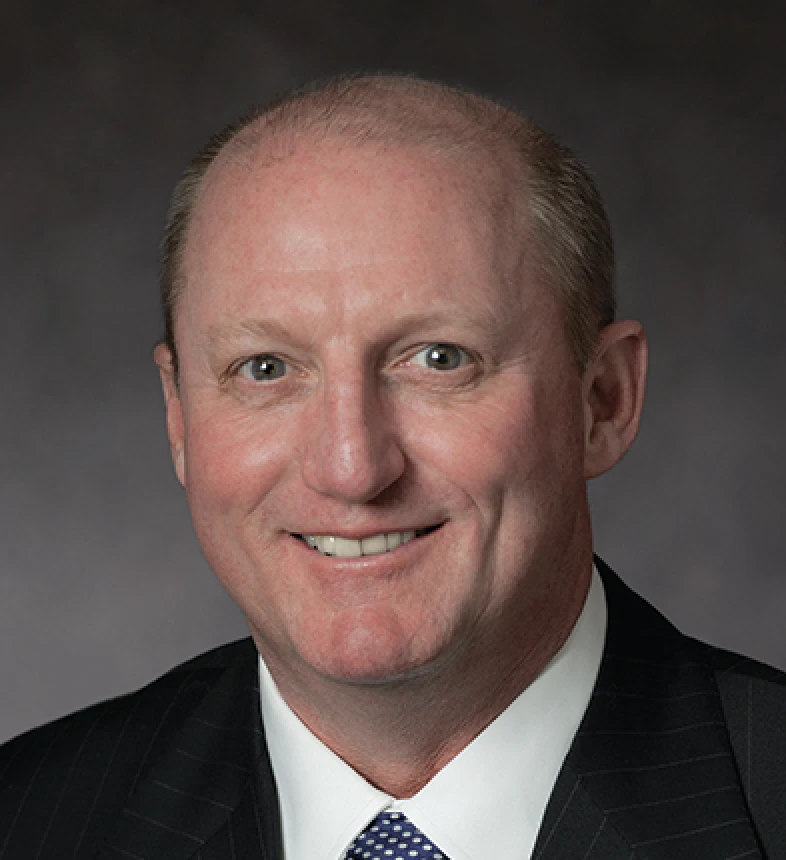
In Abel's estimation, Buffett's combination of investment discipline and leadership skills have allowed him to create a business that is ready to transition from being run by the founder to operating without him for the long term.
Abel's plan
Abel cites Berkshire's most valuable asset as its corporate culture, which he promises to preserve. Abel emphasized that his job as CEO is not to reinvent Berkshire, but to act as a trusted steward. He noted that he doesn't plan to hold office for the next 60 years like Buffett - "simple arithmetic makes that too ambitious a plan" - and offers investors a pragmatic planning horizon:
"... 20 years from now, when my seniority will be only a fraction of Warren's, I intend to ensure that you - or your descendants - will be proud that your company is even stronger"
To realize this goal, Abel intends to focus on long-term retention of subsidiaries and finding major new assets. He emphasizes that Berkshire has the advantage of being able to move capital between dozens of different industries to where it will bring the greatest return over a ten-year period.
Abel emphasizes: the decentralized management model remains the foundation of the conglomerate. According to him, department heads will retain autonomy and will be free from administrative pressure:
"Our executives are free from layers of bureaucracy and pressure over short-term profit expectations. It is this independence, combined with accountability, that is the competitive advantage that attracts the best management talent to Berkshire"
At the same time, the head of the company confirmed the preservation of the traditional for Berkshire refusal of quarterly profit forecasts and calls with analysts. According to his calculations, this minimizes the impact of market noise on management. Abel believes that not chasing current performance allows the company to maintain its internal culture.
Berkshire's finances: "dry powder"
Berkshire Hathaway's 2025 operating profit fell to $44.5 billion (down from $47.4 billion a year earlier), but was above the five-year average. At the same time, the fund's holdings of cash and U.S. Treasuries reached a record $370 billion. Abel views this reserve as "dry powder" - a tool for dealing with market volatility:
"Our balance sheet is a strategic asset to be deployed at the right time. It allows us to act decisively, invest when others are hesitant or fearful, and stand firm during financial storms"
The foundation of the financial model remains the insurance sector, which the head of the company calls the "heart" of Berkshire. At the end of the year, the insurance float - funds available for investment until claims are paid - amounted to $176 billion. Abel believes that the scale of these resources allows the conglomerate to ignore short-term market cycles.
Abel estimates that the combination of record cash reserves and steady insurance inflows will allow the company to focus on the quality of the assets it acquires.
This article was AI-translated and verified by a human editor