The Other Spain: 8 best wines of Galicia

It's amazing how the image of a country is often linked to the most popular regions, while others end up being overshadowed by them. Everyone has heard of Tuscany and local legends Nobile de Montepulciano or Brunello de Montalcino. But how many know about the lush and dense Taurasi or Greco di Tufo of the Campania region?
Another example. Bordeaux and Burgundy are legendary French regions. But the jewel of France, the Auvergne, remains hidden, because the high mountain slopes of the Massif Central, the volcanic soils and the cool climate give the reds from Gamay and Pinault Noir a rare combination of lightness, precision and spicy minerality.
Focus on white
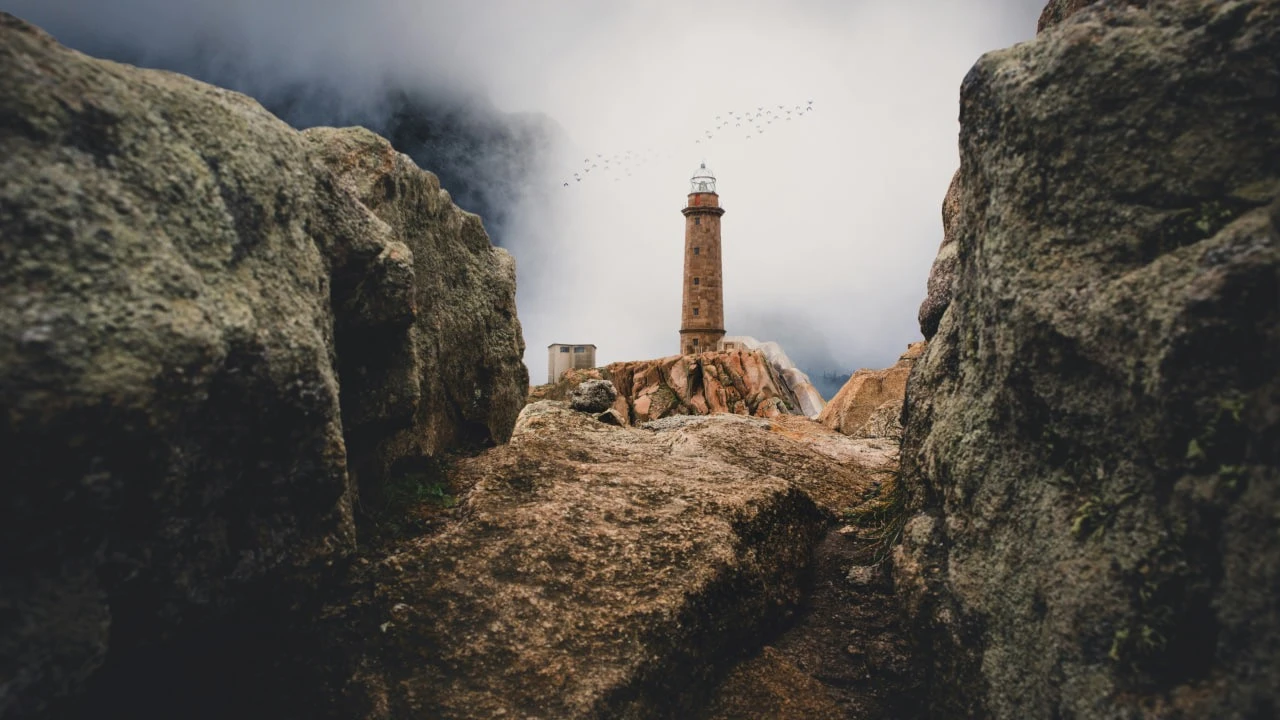
Today we will talk about such a region in Spain - Galicia. The most famous wine regions of the country are Rioja, Ribera del Duero and Priorat. They embody the usual image of Spanish wine: sunshine, maturity, power, thick tannins and oak. Against their backdrop, Galicia seems like a completely different Spain - cool, wet, windy. The vines here grow on granite slopes by the Atlantic, and the Albariño, Godeglio and Mencia varieties produce fresh, mineral and lively wines.
Enotourism enthusiasts are increasingly turning their attention to Galicia. It is here that the world's focus is shifting from red wines to white wines: four of the five local wine zones specialize in white wines.
In part, this has led to major producers from Rioja and Ribera del Duero actively investing in projects in close proximity to the Atlantic. For example, Compañía Vinícola del Norte de España bought Bodegas La Val, a winery located in the Rías Baixas region, back in 2023. For a company that has historically operated in Rioja, this winery was the first in the region. And this year, another legendary Spanish producer, Vega Sicilia, invested €20 million in a winery in Rías Baixas, planning to make albariño not a "summer" wine, but a serious one, with aging and the prospect of aging.
For the market, this is a signal that a long planning horizon is becoming a sustainable norm in Atlantic Spain. Vega Sicilia is not just an "icon from Ribera", but a winery that set the standard for Spanish winemaking long before the advent of classifications and ratings. Its wines are aged longer than most of its neighbors, and production is strictly limited. Sometimes batches are allowed to "rest" for decades before they leave the cellar.
In other words, this is a group that knows how to work on the longevity of wines and create legends: from Unico and Valbuena to Tokay's Oremus.
For the region, the arrival of this company is a new high bar and a guarantee that more people will get to know the great wines of Galicia. For the investor, it is a living illustration of how the structure of the Spanish portfolio is changing in favor of northern white wines.
Demand in the region is high, but supply is limited - there is little land suitable for vineyards. And the landscape itself limits new plantings. In the Rias Baixas region alone, the vineyard area covers 4,184 hectares, divided into more than 22,500 plots. As a result, each even very small transaction turns into a real epic, hence the rising cost of quality plots.
More and more wineries in Galicia are emphasizing wine complexity - lengthening aging on the lees, monitoring the balance and quality of the grapes. And this is no longer a private experiment, but a major change that is adjusting views on the potential of Spain's white wines.
The Romans knew these slopes very well, medieval monasteries kept vineyards for pilgrims on their way to Santiago de Compostela, and the rocky and mountainous landscape itself dictated the wine's M.O.: pure flavor, no disguise, minimum oak.
Flavors of the Atlantic
Today, Galicia's wine list is five appellations with their own voice.
The oceanic and salty Rias Baixas is the domain of the Albariño variety, which here takes on a charmingly fresh profile - with lemon and lime freshness, notes of white flowers and sea salt, and stone dryness.
You'll find the most "salty" wines in Val de Salnes, softer and more floral wines in O Rosal, and if you want something denser and warmer, take the route to Condado de Tea, where the influence of the climate gives a slightly more rounded texture to the wine.
The dramatic Ribeira Sacra are steep vine terraces, climbing up which you can feel dizzy, the fresh north wind and the smell of warm slate. This is where Galicia's red "celebrity" grape, the mencia grape, is born.
In Valdeorras, the main variety is "godeglio". In almost half a century it has gone from almost extinct to a new white "star", and wine from this growth is ranked among the best Spanish ones for its ability to age and develop in the bottle.
One of the most interesting wines from this varietal that I have tasted is A Coroa Godello, made from grapes from five carefully controlled plots of A Coroa. The 2020 vintage has a straw-golden, slightly greenish color that references fresh foliage and flowering herbs. It is a wonderful, enveloping, structured wine that can develop beautifully in the bottle.
Ribeiro and Monterrey are slightly less popular, but also important for Galicia's winemaking. In Ribeiro, the wines are mostly blended, from the local varieties "trajadura", "lowreiro" and "godeglio". They contain a light herbal bitterness and stone dryness that pairs well with Atlantic cuisine. Monterrey is warmer than the other appellations by the standards of the region, but even there they are moving away from excessive ripeness towards balance.
What to drink to truly get a "taste of the Atlantic"?
The logical place to start is with an albariño from Val de Salnés, to compare with O Rosal, where the loureiro and trajadura varieties add depth. You should also definitely try the Valdeorras godeño, including to see how a Spanish white can get serious without the involvement of oak. In the Ribeira Sacra region, you should give a chance to a mencia, which must be lightly chilled, put with grilled fish and see that red wine can be both light and gastronomic without losing its character.
Wines of Galicia to look out for
- Do Ferreiro Cepas Vellas (Rías Baixas, Albariño) - a reference albariño from the Cepas Vellas plot (the vines here are over 200 years old), steel fermentation and long aging on the lees.
- Rafael Palacios As Sortes (Valdeorras, Godello) is a concentrated Godello, one of the wine "references" of the region in terms of purity, minerality and structure.
- Pazo de Barrantes La Comtesse (Rías Baixas, Albariño) is an amazing albariño that combines the power and salty minerality of Val de Salnés.
- A Coroa Godello (100% Godello, Valdeorras) is a white wine with character and notes of fresh citrus, spicy herbs and tangible minerality.
- Adega Algueira Carravel (Ribeira Sacra, Mencía) - aged for more than 12 months in barrels of different volumes, the palate has balsamicity, red berries and a typical "slate" touch.
- Abadía da Cova Fudre (Ribeira Sacra, Mencía) - freshness, delicate tannins and herbal accents.
- Valdesil Valderroa (Valdeorras, Mencía) is a wine made from "mencia" grapes from the slate slopes of Valdeorras, light in extract but bright in acidity and red-berry profile.
- Ponte da Boga P Mencía (Ribeira Sacra, Mencía) is a historic winery of the region, founded in 1898. It is a pure wine with notes of pepper.
This article was AI-translated and verified by a human editor