The price of gold has squandered all of the gains made in 2026. Why doesn't it work as a "haven"?
Gold's collapse followed the worst week for gold since 1983

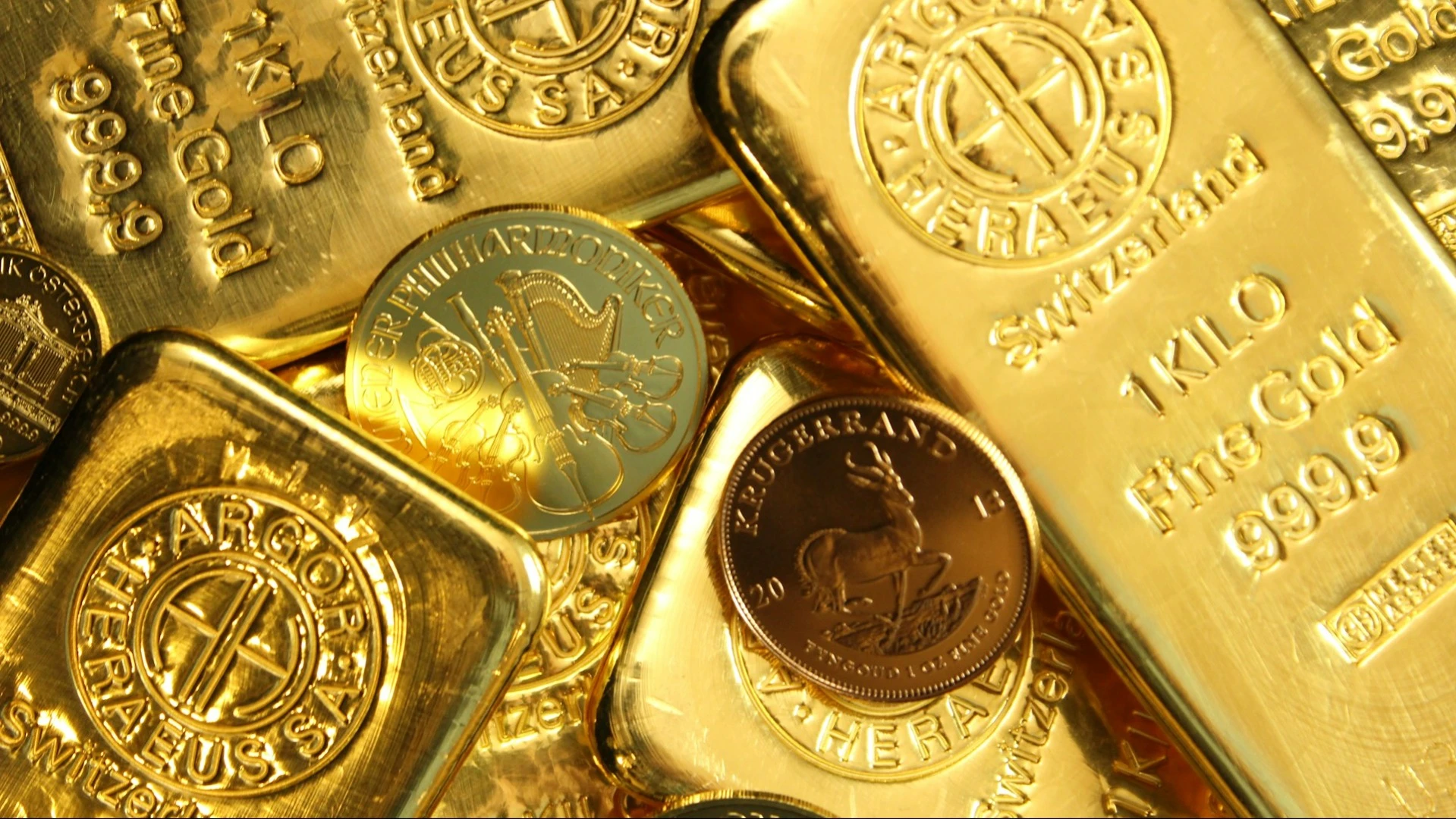
Gold collapsed by 9% in trading on March 23 / Photo: Unsplash/Zlaťáky.cz
The price of gold fell about 9% in trading on March 23, hitting its lowest level this year. The precious metal has fallen for the ninth day in a row after last week was its worst in 43 years. The escalating conflict in the Middle East has heightened concerns about inflation and expectations of interest rate hikes by leading central banks. In addition, some investors decided to lock in profits after the rally seen in the gold market over the past year, according to the Financial Times.
Details
Spot gold prices fell to $4099.18 a troy ounce in Monday trading. Total losses since the first US and Israeli strikes on Iran on February 28 now exceed 21%, the FT noted.
The metal lost more than 10% of its value last week, the sharpest weekly drop since February 1983, Yahoo Finance writes. In addition, gold has retreated about 25% from its all-time high of $5594.82 reached on Jan. 29.
What the market is saying
"The war in Iran adds a lot of uncertainty, which in theory should spur demand for gold," said Aakash Doshi, head of global gold and metals strategy at State Street Investment Management. However, he said, the precious metal has come under pressure from more powerful economic factors, MarketWatch reported.
The key was that the conflict in the Middle East could end the cycle of rate cuts by the U.S. Federal Reserve (Fed) and even lead to rate hikes. Doshi also said that the recovery in the US dollar, profit taking and the use of gold as a "liquidity reserve to get cash" had had an impact.
"Prices recorded their biggest weekly loss since 1983 on concerns that high inflation will force the Fed to raise rates," ANZ analysts also said(quoted in The Wall Street Journal).
"This is an extremely violent asset dump," said Greg Shearer, head of base and precious metals strategy at JPMorgan. "From our perspective, it suggests that gold has been caught up in the risk of a 'chain reaction' where absolutely everything is selling off," he added(quoted by Yahoo Finance).
Nevertheless, in the long term, JPMorgan analysts remain bullish: "The longer the energy disruptions last and the more significant their impact on inflation and, importantly, on economic growth, the sooner the backdrop for gold will become significantly favorable again," the analysts said(quoted by Yahoo Finance).
This article was AI-translated and verified by a human editor