Goldman Sachs has raised its oil forecast. The worst-case scenario allows prices to soar to $135
The Iranian crisis is worse than the two oil crises of the 1970s combined, argues IEA head Fatih Birol

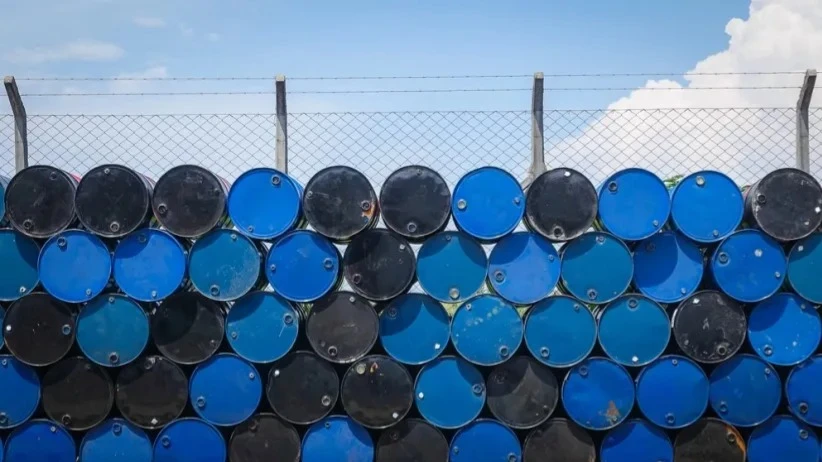
JPMorgan expects Brent to average $100 in the second quarter of 2026 / Photo: anurakss/Shutterstock.com
Investment bank Goldman Sachs has revised expectations for the oil market, raising average estimates of the cost of a barrel for the current year. In the harshest case, the quotes of the reference grade Brent may jump to $135. Goldman analysts believe that the main threats to the market are prolonged disruptions in transit through the Strait of Hormuz and production cuts in the Middle East region.
Details
Goldman Sachs has raised its forecast for the average price of Brent oil for 2026 from $77 to $85 per barrel, and for WTI - from $72 to $79, writes Reuters. Analysts of the investment bank expect that prolonged disruptions in the transit of raw materials through the Strait of Hormuz, combined with active replenishment of strategic reserves will lead to a tighter balance in the market and increased caution among investors.
In the near term, the situation will be even more tense: the average Brent price forecast for March and April has been raised from $98 to $110 per barrel, as traders put a growing geopolitical premium in the quotations. The new forecast suggests a 62% increase in the price compared to the average level for 2025, CNBC reported.
Goldman Sachs also warned of a shock scenario: "At the peak of uncertainty, the price could reach $135 per barrel". Such a jump would occur if the market needed to force consumers to preemptively reduce purchases to compensate for a sharp drop in production, the bank said.
Goldman highlighted two risks leading to higher prices. The first is a prolonged blockage of the Strait of Hormuz: if oil supplies through it remain at 5% of the previous level for 10 weeks. This could raise Brent prices above the all-time high of $147 per barrel in 2008, Goldman warned. The second risk is a steady decline in Middle Eastern production by 2 million barrels per day.
On the other hand, the end of the US military operation in the region could quickly offset the risk premium built into prices, while Washington's possible imposition of restrictions on oil exports threatens to further widen the spread between Brent and WTI, Goldman warned.
Wall Street's largest bank, JPMorgan Chase, expects Brent to average $100 a barrel in the second quarter of 2026, falling to $80 by the end of the year.
Context
Fatih Birol, head of the International Energy Agency (IEA), said on March 23 that the impact of current supply disruptions is comparable to the major oil crises of the 1970s and the 2022 gas crisis following Russia's invasion of Ukraine "combined," Bloomberg reports.
The cost of Brent in trading on March 23 rose by more than 1% and exceeded $113.5 per barrel. Investors are trying to find a balance between the mutual threats of the U.S. and Iran regarding energy infrastructure and the arrival of millions of barrels of Iranian oil on the market after the temporary lifting of U.S. sanctions, states Reuters. The price spread between benchmark grades Brent and WTI exceeded $13 per barrel, having updated the multi-year maximum, the agency noted.
This article was AI-translated and verified by a human editor