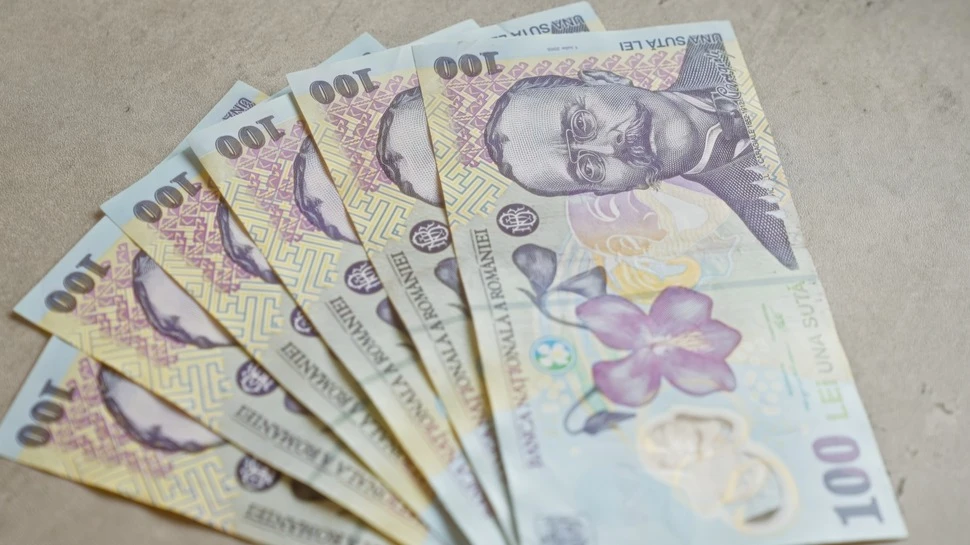
The sell-off in gold and silver has spilled over into bitcoin and equities: what's happening in the market?
The value of silver collapsed 12% and bitcoin approached its lowest since Trump's return to the White House

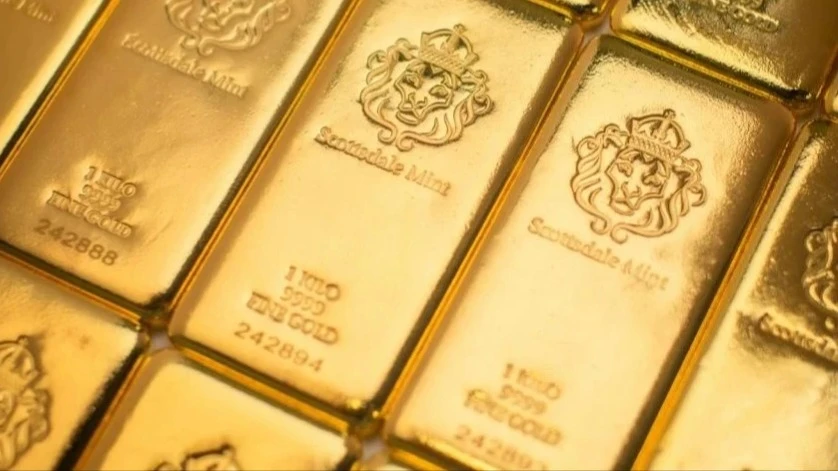
The collapse in gold prices at the end of last week was the biggest in more than a decade / Photo: Unsplash/Scottsdale Mint
Gold and silver continued to fall on February 2 after a record collapse at the end of last week. The correction spilled over to other markets: U.S. stock futures fell, bitcoin almost reached its lowest level during Donald Trump's second presidential term. The sell-off in the precious metals and cryptocurrency markets is not over yet, experts warn.
Details
The spot price of gold fell 6.3% to $4586 per troy ounce in Asian trading on February 2. Silver collapsed by 11.9% to $75.1. At the beginning of trading, prices for the white metal showed sharp fluctuations: before collapsing, the cost of silver bars rose by more than 3%, states Bloomberg.
Bitcoin has plunged to a 10-month low, with the largest cryptocurrency slipping 2.5% to $74541 in Asian trading. That's only $116 above the low recorded during Trump's second term as president.
Futures on the S&P 500 broad U.S. market index fell 1.3%, while futures on the Dow Jones index fell 0.8%. Contracts on the Nasdaq Composite fell the most - by 1.8%.
What the analysts are saying
"It's not over," said Robert Gottlieb, a former precious metals trader at JPMorgan Chase and now an independent market observer. He warned that the market has yet to find a price bottom and the correction in the precious metals sector is likely to continue, "We'll have to see if [the market] finds support. The bottom line is that this trade (betting on gold and silver growth - Oninvest) was too oversaturated."
"Bitcoin is approaching levels last seen in April 2025 after 'Emancipation Day' (a term used by Trump to announce sweeping trade duties - Oninvest)," Orbit Markets co-founder Caroline Moron stated. If bitcoin falls below the highs of the last cycle - about $70 thousand in 2021 - it will be a disaster for the reputation of the largest cryptocurrency and will discourage investors from buying it with the expectation of long-term growth, she said.
"Given the accumulation of positions and leverage, [the sell-off in gold and silver] is spilling over into other markets," Kyle Rodda, senior financial markets analyst at Capital.com, wrote in a note cited by MarketWatch. - Deleveraging is underway, forcing traders to sell other assets to cover losses on failed positions in precious metals. This is contributing to the stock market sell-off and probably also contributed to bitcoin's sharp drop over the weekend."
Context
The trigger for the collapse in gold prices at the end of last week, the largest in more than a decade, was the news that Trump had chosen Kevin Warsh, a proponent of tight monetary policy, as his nominee to head the US Federal Reserve. This provoked a massive closing of positions by traders who bet on the weakening of the U.S. currency and the growth of precious metals denominated in it. The fall in silver prices, whose growth was recently inflated by the inflow of speculative capital, became at the previous session the steepest in the history of trading.
The correction in the cryptocurrency market is taking place amid general instability. Bitcoin fell in price by almost 11% in January, closing with a decline for the fourth consecutive month. This is the longest negative streak since 2018, Bloomberg notes.
This article was AI-translated and verified by a human editor