The synchronized fall of gold and bitcoin: why it matters for stablecoin

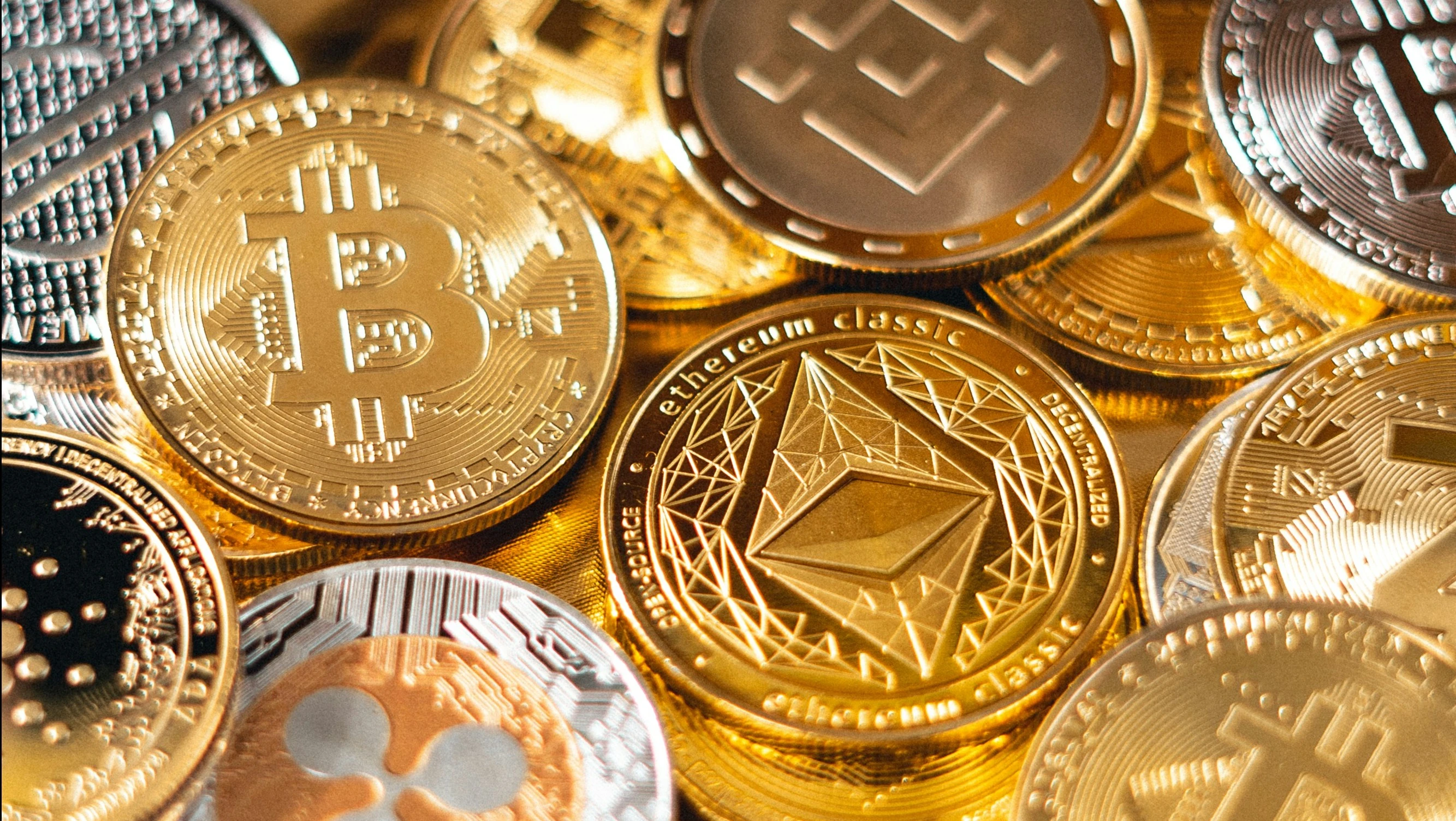
В случае дальнейшего падения цен на золото и криптовалюты держателям USDT стоит задуматься о сохранности своих активов, считает Алексей Третьяков. Фото: Art Rachen / Unsplash.com
Gold and bitcoin set anti-records on February 2, falling to levels of $4621 and $74,592 respectively. By evening, the decline slowed down. Alexei Tretyakov, a manager with 25 years of experience in the financial market and author of the Telegram channel War, Wealth & Wisdom, believes that what is happening is a reason for holders of stablecoins to think.
Could the USDT burst?
In light of the simultaneous collapse in cryptocurrencies and precious metals, many have taken notice of what an embarrassment Tether's pompous announcement of its massive gold reserve turned out to be.
Just five days ago, the issuer of the world's largest stablecoin USDT shared its aggressive strategy in the precious metals market:
⚡️ Tether has poached two key traders from HSBC to roll out its own gold dealing desk;
🔥 rented a former nuclear bunker in Switzerland to create a James Bond-style vault:
⚡️ and began buying up gold at a pace exceeding almost all central banks.
❗️За year Tether increased its gold reserves by 70 tons, brought their value to $24 billion and became the world's largest private gold investor.
CEO Paolo Ardoino said that despite the rising price, he wants to continue buying gold at a pace of 1-2 tons per week
Definitely in the next few months... We will actually soon become, shall we say, one of the largest gold central banks in the world.

What consequences for Tether and, consequently, risks for USDT holders could lead to a price collapse in precious metals?
Tether's investment strategy cannot be called pyramidal like MicroStrategy, which wewrote about, but it carries obvious risks that grow as the capitalization of circulating stablecoins grows.
Tether puts about a quarter of the dollars it receives from issuing into risky assets: gold, bitcoin and loans.
In 2025, amid record demand, USDT in circulation was increased by nearly $50 billion from $138 billion to $186 billion, allowing for active gold buying without building up risk, and the rise in [gold prices - Oninvest note] allowed Tether to earn a gigantic net profit of +$10 billion.
But historically, Tether shareholders withdraw earned profits from the company through dividends, so on a trend reversal the process reverses: reserves may fall below liabilities, which will start a chain reaction - USDT holders, realizing the lack of collateral, will start demanding repayment, forcing Tether to sell reserves, which will exacerbate the problem of collateral shortage, its liquidity, as well as pressure on the market prices of sold assets.
At the moment, Tether is still in a weak plus on 2026 profit (gold from the beginning of the year +9% is transformed into a profit of +$1.5 billion, bitcoin -10% gives a loss of -$0.8 billion, the profit on other assets can be estimated at +$0.5 billion. Total estimated profit is +$1.2 billion).
But the next -10% parallel fall in the price of gold and bitcoin will bring a loss of -$3 billion, which will drop the collateral below 100% (if Tether shareholders take the 2025 profit as usual). Amid the lack of additional demand for USDT, the company will be forced to suspend new gold purchases, and if redemptions go through, it will have to start selling.
Conclusions
Should gold and cryptocurrency prices fall further, USDT holders should consider safeguarding their assets given the asymmetric risks.
The risk of USDT collapse is small and occurs when the price of gold and bitcoin fall by more than 30% (then Tether's losses would exceed $10 billion), but even then, it is likely that shareholders will return some of the withdrawn dividends to capital and close the problem.
But the risks are not symmetrical. USDT holders win nothing - Tether shareholders take successful investment decisions for themselves, and in case of a really big collapse in the markets, they can "gift" them to their portfolio investors.
This article was AI-translated and verified by a human editor