Gold instead of bitcoin: how precious metals have become the new speculative game

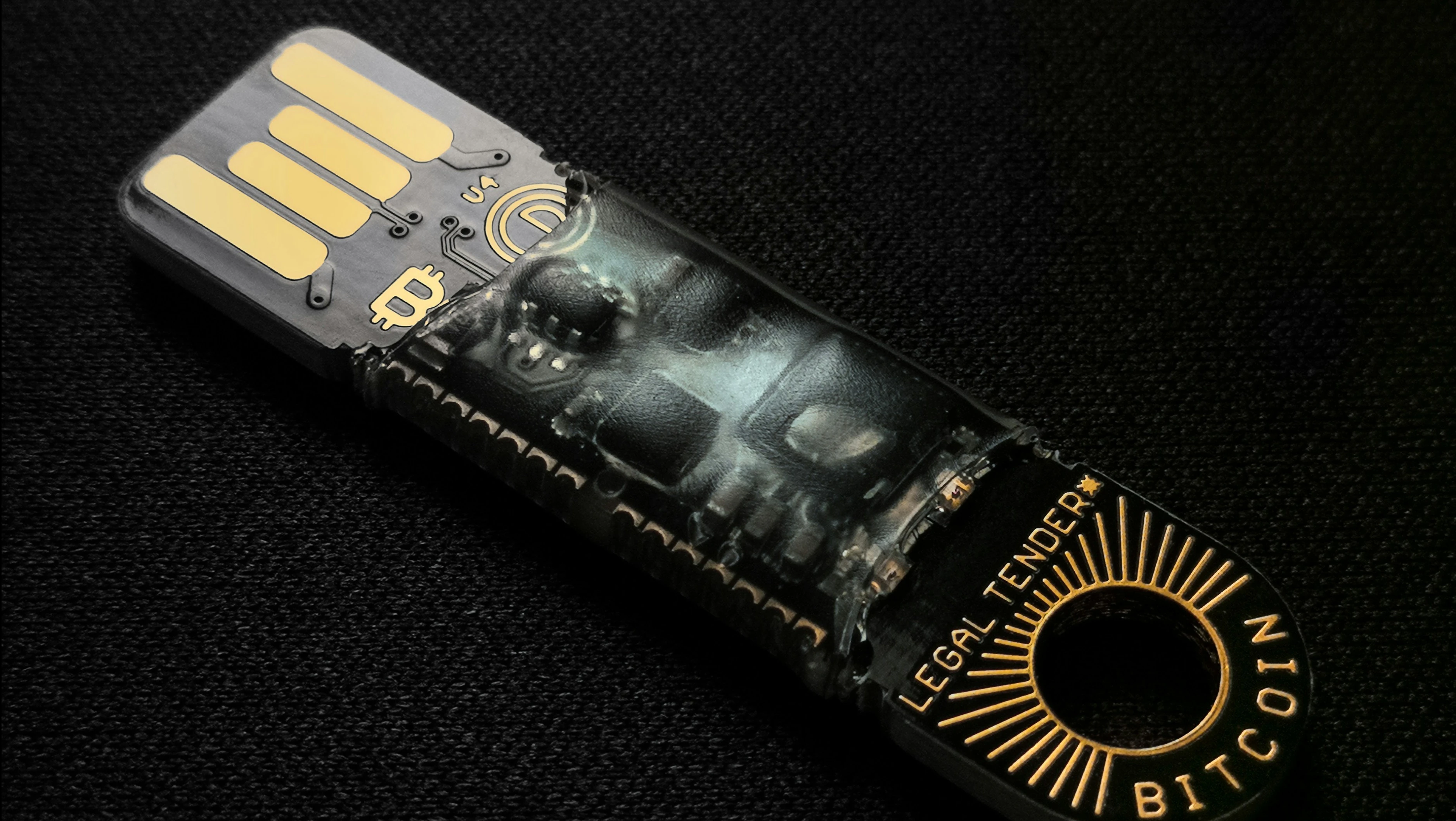
gold is rapidly becoming closer to bitcoin in terms of market risks / Photo: Simon dropin16 / Unsplash.com
Gold and silver on February 2 continue the large-scale sell-off that began last week. The correction has spilled over to bitcoin, which hit a ten-month low. Financier Sergey Romanchuk writes in his Telegram channel that bitcoin was once positioned by the cryptocommunity as digital gold, but in the end, gold became a substitute for cryptocurrencies. We publish his post without bills.
Gold, silver - what's going on?
Crypto Market Liquidation - October 10, 2025: Bitcoin - minus 14%.
January 29, 2026 - NOTHING happened, Silver: hold my beer... -36%!
By market close on Friday, silver had posted its steepest percentage drop since March 1980, when the Hunt brothers' attempt to gain control of the silver market collapsed. In dollar terms, Friday's collapse was the largest one-day drop in history.
Gold is down 12% from its high, while platinum is down 20%.
To promote bitcoin, the "digital gold" narrative was laid out from the very beginning. According to the cryptocommunity's plan, it was supposed to form an image of bitcoin as a reserve asset, in which investors withdraw to protect themselves from risks in the financial market. Interestingly, the term caught on, despite the fact that bitcoin, after gaining weight, behaved in exactly the opposite way - like the American stock market, but with leverage!
But suddenly, help for this narrative came from the other side: gold is rapidly becoming closer to bitcoin in terms of market risks. And silver has already surpassed bitcoin in terms of maximum daily decline in the new era. Given that the value of the total traded gold stock is now ~$34 trillion (all above-ground) / ~$7.7 trillion (investment traded: bars+coins+ETF) and silver is $1.65 trillion (bullion+fabricated) / ~$0.68 trillion (bullion), [all mined gold and silver in bullion in the world / that part of it which is actually traded as an investment asset - Oninvest note], the situation is very curious.
It is precious metals that have become the main substitute for cryptocurrencies (Bitcoin's capitalization is about $1.5 trillion) as an instrument of speculative play, and this, in my view, explains their now record historical volatility.
For a long time in the history of mankind gold and silver performed the functions of money, then in the XX century after the abandonment of the gold standard money became "fiat", namely - debt obligations of central and commercial banks, and precious metals moved to the category of commodities (commodities), although they are traded mainly in the interbank market currency desks, for old memory.
Now the nature of these financial instruments is becoming similar to cryptocurrencies: precious metals are rapidly moving from the class of commodities to the area of "collectibles" (collectibles). Like cryptocurrencies, these are not classical assets - they do not generate income in the sense of current cash flow (there is no interest and dividends on them). You can read more about this from Damodaran.
Gold still has a large place as part of central banks' reserve holdings. Moreover, the Trump administration's policies have led to the need to find alternatives to the dollar as a reserve currency, and a significant part of the diversification has come from gold. The purchase of gold by central banks was the fundamental reason for its rise. Central banks were joined by demand from private institutions, including issuers of digital assets - the same Tether purchased gold for a significant amount.
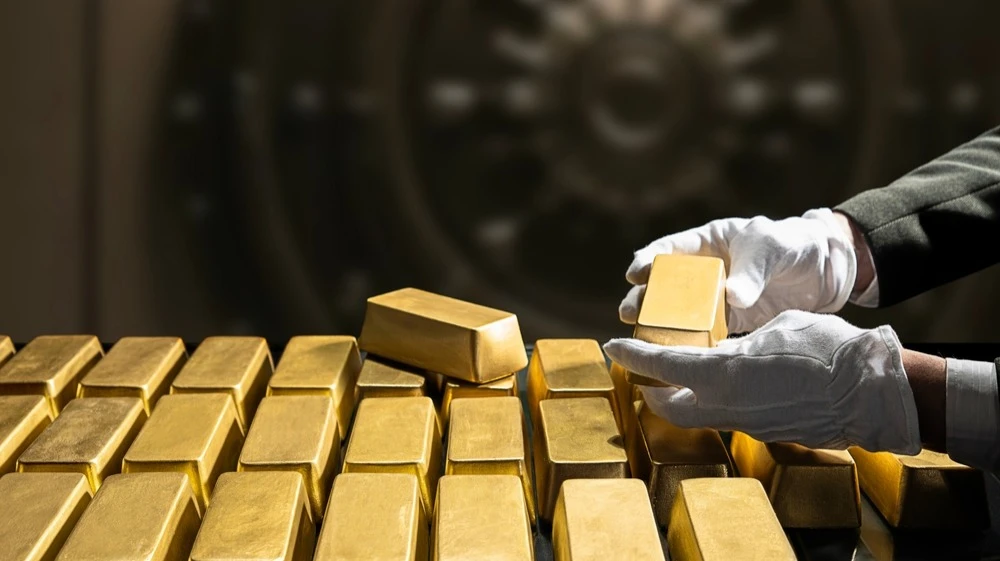
The supply-demand balance due to the commodity nature of gold - its mining and industrial consumption - has been overshadowed by investment demand, which has begun to spread from institutional players to retail investors simply because of its rapid growth. As in the case of bitcoin, new issuance is difficult, and market participants simply pass from hand to hand the ownership of bars of metal stored in several vaults (the main ones for trading are only two - in London and Zurich).
Not a commodity and not money: How gold and silver turned into a bubble market
By the way, you can safely chase the "experts" who separate "paper gold" from "real physical gold". All gold traded on the market is physical, just located in different locations, as moving it between locations requires expenses, and cross-border transactions may be associated with taxes and legal prohibitions. This is why "Chinese" gold and silver can be 30% more expensive than British or Swiss gold and silver.
Futures contracts in one way or another end with physical delivery or closing of the position. Technically, "paper gold" (records on accounts) is paper to exactly the same extent as dollars or euros: their transfer is carried out by sending an electronic message through the SWIFT system, which specifies as payment details the accounts opened in banks that hold direct accounts in gold depositories. But the gold itself, the rights to which are transferred between the parties to the transaction, lies there in the form of ingots - all transactions that go out for settlement are 100% secured by it.
The play in the other precious metals, silver and platinum, began after gold prices had risen, due to historical correlation and pair trading. The stories specific to silver as a commodity only added to the picture, but were not decisive. This is demonstrated by the fact that the correlations between the two increased as prices rose. This can hardly be attributed to mere coincidence.
As a result, the market for precious metals entered the stage of growth, going faster than exponentially. This is a sure sign of transition to a special regime (bubble), when it inevitably collapses at some point. In mathematical models describing price behavior in such a regime, it corresponds to the critical time (the point of singularity, where the model price goes to infinity). Of course, it is impossible to guess exactly the critical time and the actual value of the peak, but certain estimates can be given.
One of the models belongs, for example, to Prof. Didier Sornette of the Swiss university ETH Zurich, who was involved in earthquake prediction before finance. The mathematics of the process is similar, and the basic formula contains both a step dependence and oscillations, the frequency of which increases as the critical point is approached, making it possible to estimate the critical time.
The nuances of each market fade into the background, and no "fundamental value models" provide price guidance - the process is determined mainly by the cooperative dynamics of trading agents.
All the more so in the case of collectibles, the concept of intrinsic value does not exist as such: the price of a collectible is determined not by cash flows, but solely by the preferences and ability to pay of those who want to have them in their collection. Some collect blockchain hashes (who would tell you what's valuable about them), some collect paintings, and some collect gold or silver bars. And the latter are the most numerous.
So what influences the price of precious metals and is the main factor in price movements? Of course, technical things: the size of collateral requirements on exchanges, traders' limits depending on the realized volatility, and specific "grains of sand" that cause the avalanche. Such "grain of sand" on Friday was the news of Trump's announced new nominee to head the Fed, which strengthened the dollar somewhat (as the rest would have been worse).
And the technique of the fall was margin calls on buyers' positions in the absence of a sufficient number of liquidity providers, to whom their risk departments recalculated Value at Risk and reduced trading limits in the face of the jump in volatility. Roughly speaking, you used to be able to take a $10 million position, but now you can only take a $5 million position. There is not enough liquidity to hold the price and make money on the spread.
What's next?
Actually, further the price will balance the flows of sellers, who reduce positions due to the increased realized volatility, and new buyers, who regretfully looked at the growth of precious metals before, but did not have time to buy. My feeling is that on Monday the market will go down further, but will find a local bottom: a mighty stream of retailers will buy out the drawdown and go to test the highs observed during the week.
In general, due to the unprecedented size of the one-day fall on Friday, it is quite possible that the critical point has been passed and the bubble will deflate after an unsuccessful attempt to reach new highs. For a longer period of time much will be determined by the position of central banks: whether they will reduce their reserves in gold due to the loss of price stability of this financial asset or will remain in gold for lack of alternatives.
This article was AI-translated and verified by a human editor