Trade at the open and go: why did UBS call the morning the best time to trade in Asia?
After sharp spikes in oil prices, the highest trading volumes on Asian markets are recorded in the first minutes of the session, UBS estimates

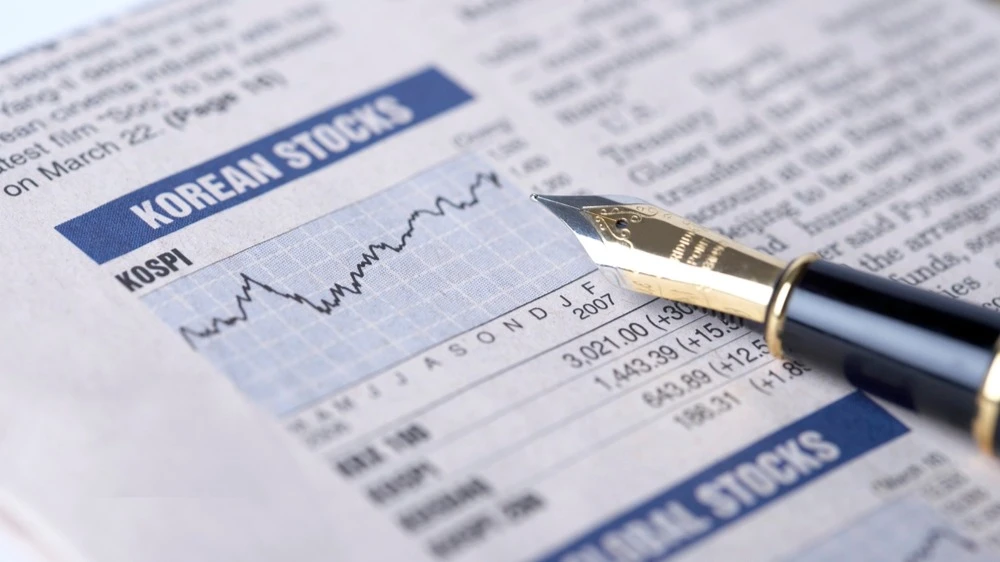
UBS advises to play off oil shocks at the open and get out of the market / Photo: Utoimage / Shutterstock.com
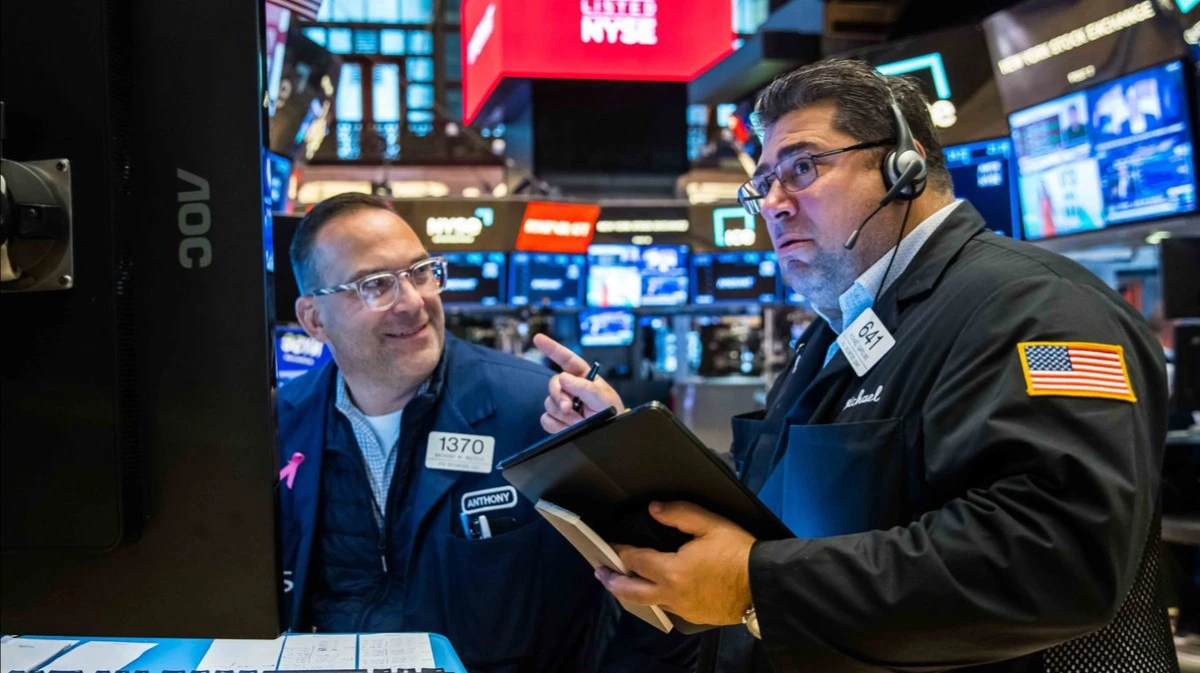
Investors planning to buy or sell Asian shares on the background of oil price hikes should make deals in the first minutes of the trading session, and then refrain from activity on the market, UBS calculated. The opinion of analysts of the bank is quoted by Bloomberg.
Details
In Asian markets, investors should limit trading activity to the first five minutes of the session and avoid deals in the middle of the day, according to a note by UBS. The bank's analysts came to this conclusion after analyzing the dynamics of six regional stock markets in the first week of March, when the beginning of the war with Iran began to affect financial assets. The main volume of trading occurred at the beginning of the session, after which "the quality of execution of transactions deteriorated," the study of the electronic trading division of UBS showed.
"Volatility was largely concentrated at the start of the trading session, with intraday trading volumes then generally returning to historical averages," the bank said in a note. - No market saw a sustained intraday increase in trading volumes after the open," UBS emphasized.
The concentration of trading at the beginning of the session was most pronounced in South Korea, the bank noted: trading volumes on contracts for the Kospi 200 index, which includes 200 of the largest and most liquid Korean companies, at the opening in the first week of March jumped 2.2 times relative to the average for the last six months. Then, the activity decreased significantly, although there were occasional bursts of volatility around mid-day.
"The Kospi index is showing an extremely concentrated response, with virtually all of the meaningful trading associated with the Brent price shock occurring very early in the session," the note said.
Similar situation, according to UBS, was observed in other Asian markets. Thus, the bank recommends to use a similar approach to trading in the morning hours for Japanese shares (securities included in Nikkei 225 index, according to UBS, are better to trade in the first 10-15 minutes of the session). For Chinese shares "key window", as analysts believe, falls on the opening period - from 9:25 to 9:40 a.m. local time.
The cost of Brent crude oil at the trading in the first week of March ranged from $75.75 per barrel to $94.64. In the following days it jumped above $119 per barrel. At trading on March 25, May futures for Brent cost $102 per barrel.
What's in the markets
Korea's Kospi 200 index hit an intraday high just over an hour after trading began on March 25, adding 3.6%. The index ended the session up 1.34%.
Similar dynamics on March 25 was observed in the index of Japanese shares Nikkei 225: during the first 45 minutes of the session it rose by 3.3%, and by the end of the trading day slowed down to 2.87%.
On March 25, the Mainland China Stock Index (CSI 300 Index) fluctuated between gains of 1-1.3% in the first hour of the session; it eventually reached its intraday high, adding 1.5% at the moment, four hours after the start of trading, and ended the day up 1.4% from the previous closing level.
Context
UBS research gives an idea of how stock trading in Asia has changed since the beginning of the conflict in the Middle East on February 28, Bloomberg notes. Market direction is increasingly dependent on the news background, price movements are becoming sharper, and the number of intraday reversals has increased significantly, the agency notes.
Despite reports of possible peace talks between the U.S. and Iran, markets are likely to remain volatile until there are real signs of a resolution to the conflict, UBS said. "While market expectations of a possible de-escalation have emerged, energy prices and financial market assets are likely to remain volatile until fully stabilized," the note said.
This article was AI-translated and verified by a human editor