Morgan Stanley recommended selling Asian stocks because of the war in Iran. What is the risk


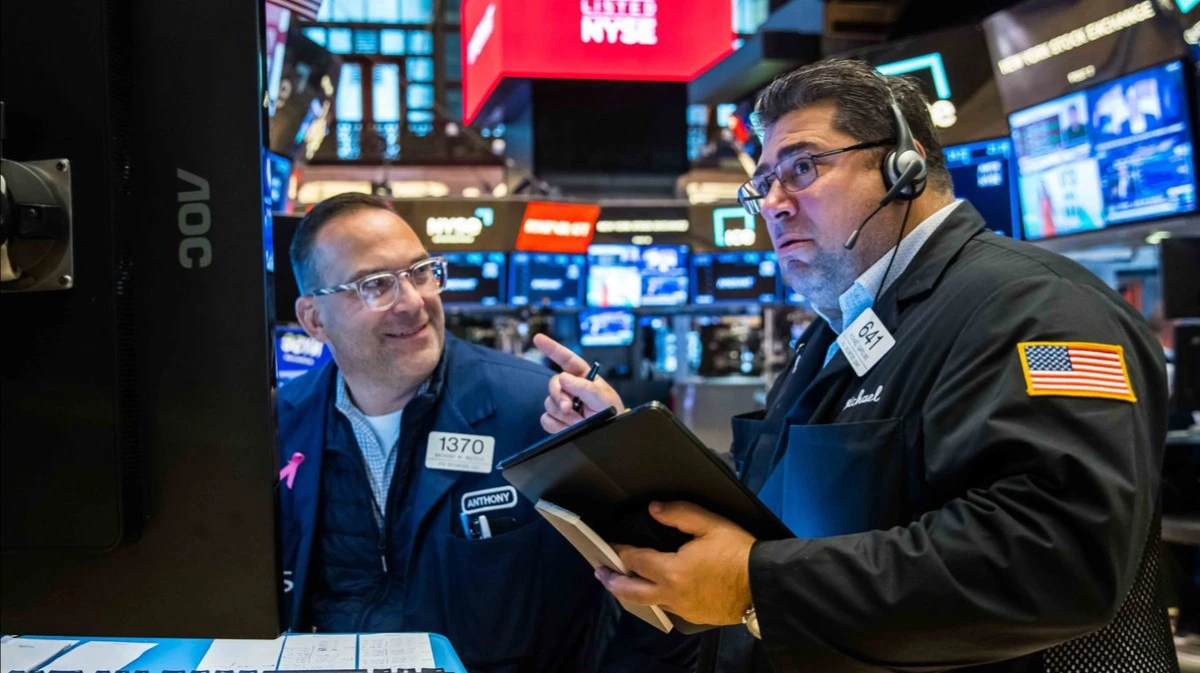
Investment bank Morgan Stanley recommended investors to sell Asian stocks / Photo: Keisuke_N / Shutterstock.com
Investment bank Morgan Stanley recommended investors to sell Asian shares, warning of the risk of a prolonged decline due to a jump in energy prices, Bloomberg writes. MSCI analysts add: Asian emerging markets are the most vulnerable to the blockage of the Strait of Hormuz.
Details
Morgan Stanley analysts headed by Jonathan Garner recommend to reduce positions in Asian assets, Bloomberg reports. Despite the volatility since the beginning of the war in the Middle East, the region's tech sector still looks like the favorite of the year with growth of about 20%, the agency stresses. However, the investment bank warns: in case of realization of the worst scenario stock indices of Asia may fall by 15-20% from the current levels.
The sharp rise in oil prices due to the war in Iran is putting pressure on the economies of net energy importers, which are predominantly located in Asia. Brent crude oil is already trading near the levels suggested by Morgan Stanley's "unfavorable scenario" of $120-$130 a barrel, analysts point out. The situation was aggravated by attacks on the largest liquefied natural gas plant in Qatar, which jeopardized exports of this energy carrier.
"Asia is more vulnerable than other regions to ongoing oil and LNG supply disruptions," Garden explains.
Morgan Stanley notes that Asia risks facing shortages not only of fuel, but also of basic components for the production of fertilizers and semiconductors. Logistical problems with ammonia, urea, helium and sulphur threaten both the chemical industry and food security in the region.
Another factor putting pressure on these markets is concerns that the US Federal Reserve may leave rates unchanged in the near term amid a potentially stagflationary macroeconomic environment, the bank's strategists said.
What other analysts are saying
MSCI experts agree: emerging markets in Asia are the most vulnerable to the blockage of the Strait of Hormuz, CNBC reports . China, South Korea, India and Taiwan are critically dependent on oil transit through this narrow sea route. News of its virtual closure has hit their exchanges harder than any other global market, analysts point out. The situation is complicated by the fact that these four countries are the largest participants in the MSCI Emerging Markets index, which automatically multiplies losses for global investors, the channel adds.
MSCI Research Director Abhishek Gupta points out the "hidden connections" that are often overlooked by conventional investors. He emphasizes that emerging market companies generate three to four times as much revenue from exposure to the Gulf economies as their Western competitors. In addition, many companies from India, the US, Japan and Taiwan keep large plants and equipment in the conflict zone. These account for more than 2% of the total assets of these players, which is usually not reported in standard reports. This makes them even more vulnerable to the crisis, CNBC writes.
This article was AI-translated and verified by a human editor