UAE secretly guided several oil tankers through the Strait of Hormuz - Reuters

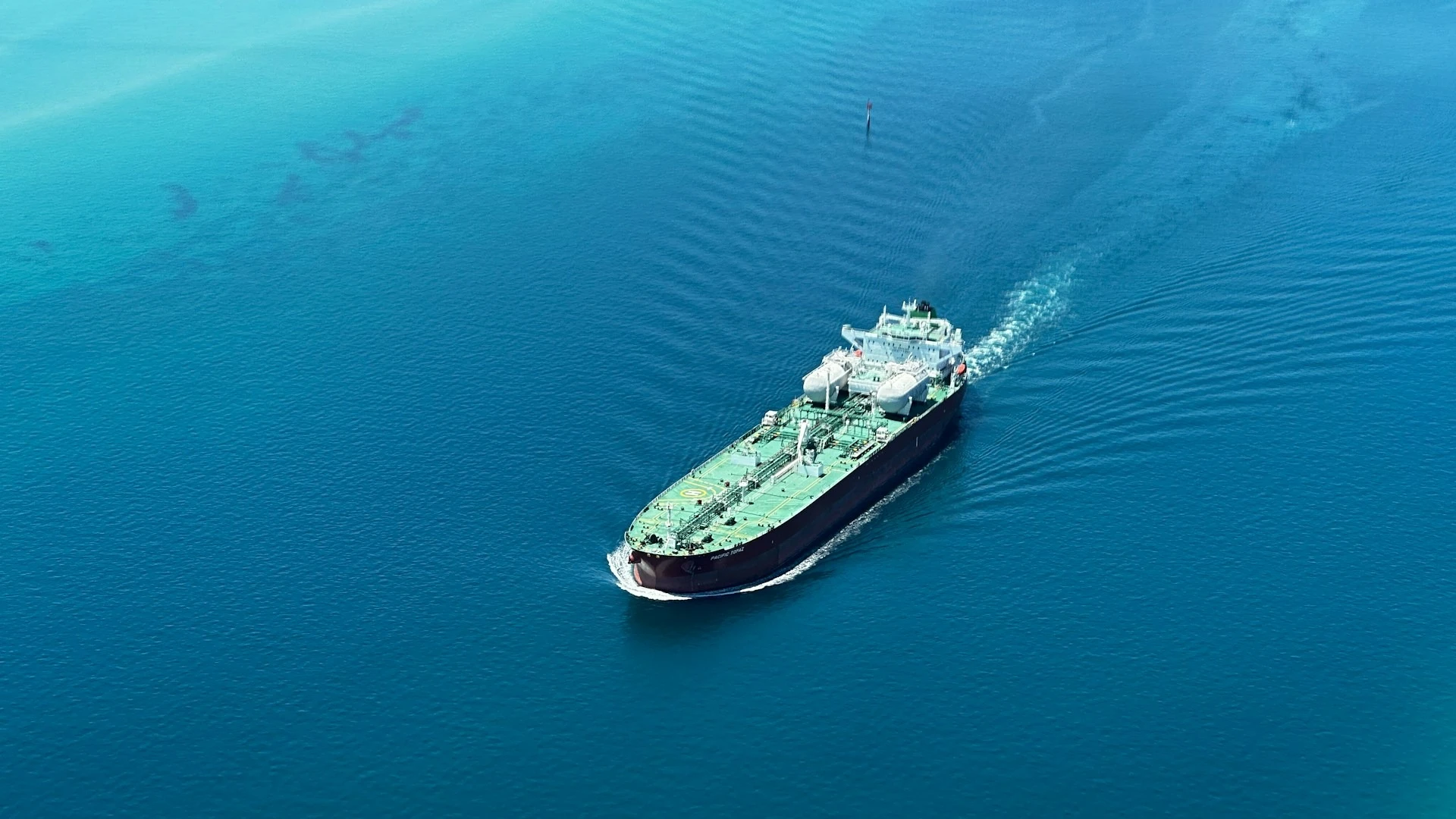
According to Reuters, several tankers carrying oil from the UAE were able to pass through the Strait of Hormuz undetected in April / Photo: unsplash.com / Haydn
In April, the United Arab Emirates (UAE) managed to get oil-laden tankers through the Strait of Hormuz with their navigation trackers turned off. Thus, the Emirates managed to take out of the Middle East region part of the oil stuck in the Persian Gulf since the beginning of the war between the U.S. and Israel against Iran. This is reported by Reuters with reference to industry sources and shipping data.
Details
In April, UAE state-owned oil and gas company Abu Dhabi National Oil (ADNOC) managed to export at least 6 million barrels of oil on four tankers from terminals inside the Persian Gulf, Reuters notes, citing data from Kpler vessel tracking platforms and SynMax satellite data analysis. To accomplish this, the tankers had their tracking systems turned off. The cargoes were subsequently transshipped at sea from ship to ship and then either stored in Oman or directly delivered to refineries in South Korea and Southeast Asia, sources familiar with the situation told Reuters.
ADNOC declined to comment on the matter.
Nevertheless, the volume of oil supplies, which the UAE has thus managed to withdraw from the Persian Gulf, remains only a fraction of pre-war exports: since the end of February, ADNOC has been forced to cut oil exports by more than 1 million bpd - compared to last year's 3.1 million bpd, Reuters writes, citing Kpler data.
Other countries in the Middle East region found themselves in a more difficult situation. Iraq, Kuwait and Qatar either stopped selling oil completely or were forced to sharply reduce prices for buyers. Saudi Arabia has shifted some of its oil exports to routes through the Red Sea. The closure of the Strait of Hormuz amid possible attacks from Iran, as well as the U.S. blockade of Iranian exports pushed world oil prices above $100 per barrel. Since the end of February, the cost of Brent crude oil has jumped by about 40%.
What risks are faced by ships attempting to pass through the Strait of Hormuz
The risks of such voyages are clearly demonstrated by the fate of other vessels trying to pass through the Strait of Hormuz, Reuters notes. On Monday, Ma. 4, Iranian drones attacked the empty tanker ADNOC Barakah in the Strait of Hormuz, the agency notes. On Tuesday, the container ship San Antonio of the French shipping company CMA CGM was attacked while passing through the strait - several crew members were injured, the vessel was damaged in the attack, Bloomberg recalls. Iran in recent days has also expanded the boundaries of the shipping control zone to include two major UAE ports in the Gulf of Oman, the agency adds.
Nevertheless, some vessels manage to pass through the strait without damage. According to Bloomberg, the small container ship CMA CGM Saigon was spotted off the coast of the UAE city of Ras al-Khaimah on Tuesday and appeared near the border of Oman on Wednesday evening. The break in signals indicates that the vessel passed through the strait with its transponders turned off. That makes it another of the few vessels that have managed to pass through the Strait of Hormuz since the conflict began, Bloomberg notes.
This article was AI-translated and verified by a human editor