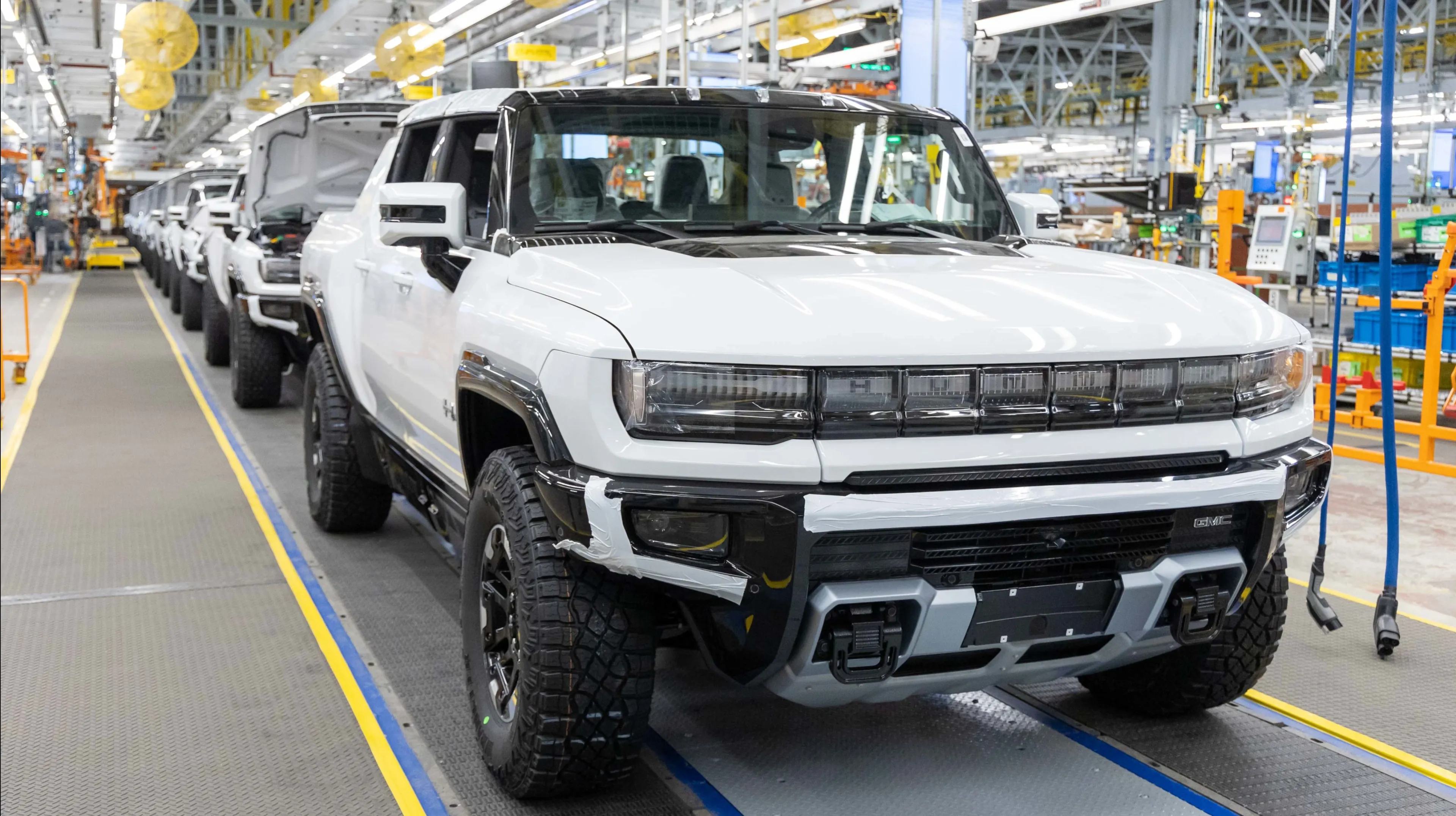
Oil breaks through $126 after Trump signals Hormuz blockade will drag on
The market is playing down the risks that the Strait of Hormuz may now remain closed for months rather than days

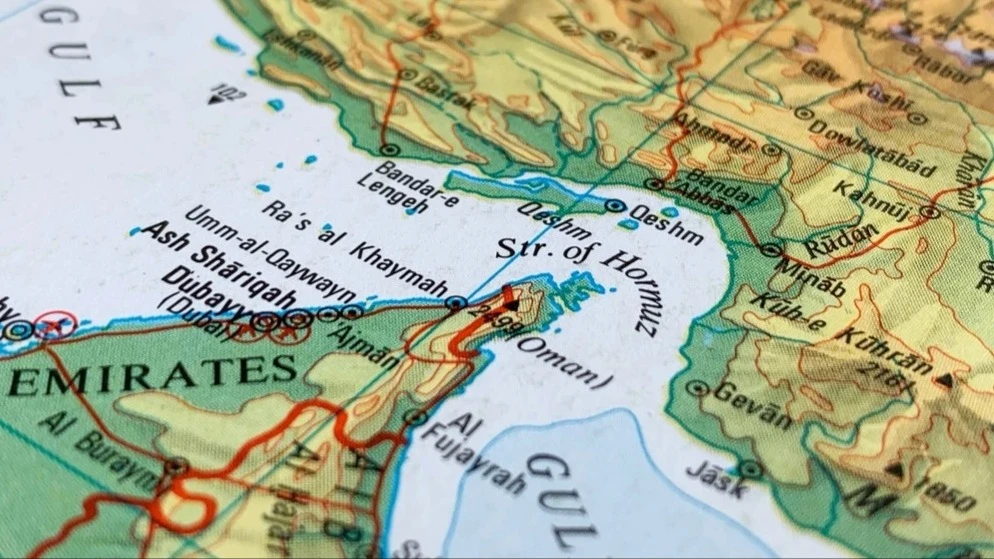
The blockade of the Strait of Hormuz has been more effective than bombing targets in Iran, claims US President Donald Trump / Photo: AustralianCamera/Shutterstock.com
Oil prices hit the highest since 2022 after Donald Trump's statement about his unwillingness to lift the blockade of the Strait of Hormuz. The US president's stance exacerbates the global energy crisis caused by the cessation of oil supplies from the Persian Gulf through the only sea corridor.
Details
Futures for benchmark Brent crude oil rose 7% in the morning of April 30, rising above $126 per barrel during trading. This was preceded by eight consecutive trading days of growth - the longest series in almost four years, writes the Financial Times. The rally accelerated after the U.S. president signaled that he would continue to block the strait until Iran agrees to curtail its nuclear program.
"The blockade is perhaps even more effective than bombing. They are suffocating there like a gluttonous pig. And it's only going to get worse for them from here on out. They can't have nuclear weapons," Trump told Axios. "They want to negotiate. They don't want me to continue the blockade. And I don't want [it lifted] because I don't want them to have nuclear weapons," he added.
At the time of publication of Oninvest material, Brent futures slightly reduced growth and traded at about $123.5 per barrel, WTI contracts rose by 2.2% to $109.
What the analysts are saying
Shipping through the strait, a critical transportation artery that carried about 20% of the world's oil before the Gulf conflict, remains virtually paralyzed by the threat of Iranian attacks and the U.S. naval blockade. "Oil will rise in price by a few dollars every day until there is no end in sight," warned Ole Hansen, head of commodities strategy at Saxo Bank. - Supply in the markets is shrinking and prices should reflect that."
Hamad Hussain of Capital Economics said that "the possibility of a sudden opening of the Strait of Hormuz has been a key factor in keeping oil prices from rising further," but markets are now reacting to "increased speculation that the U.S. blockade of the Strait could last months rather than days or weeks," he stated.
Context
Traders ignored the risks of possible supply growth in the oil market after the decision of the United Arab Emirates to withdraw from OPEC. Due to the Iranian threat to shipping, the country is still producing oil in volumes significantly below its quota. If the strait opens, the UAE will be able to increase production to 4.5 million barrels per day - more than 1 million above the pre-war level, according to HSBC.
This article was AI-translated and verified by a human editor