UBS raised its target on Micron shares after a long rally. Why are they still worth buying?
The bank estimates that the memory chip shortage that has sent the company's quotes skyrocketing will persist until the end of 2027

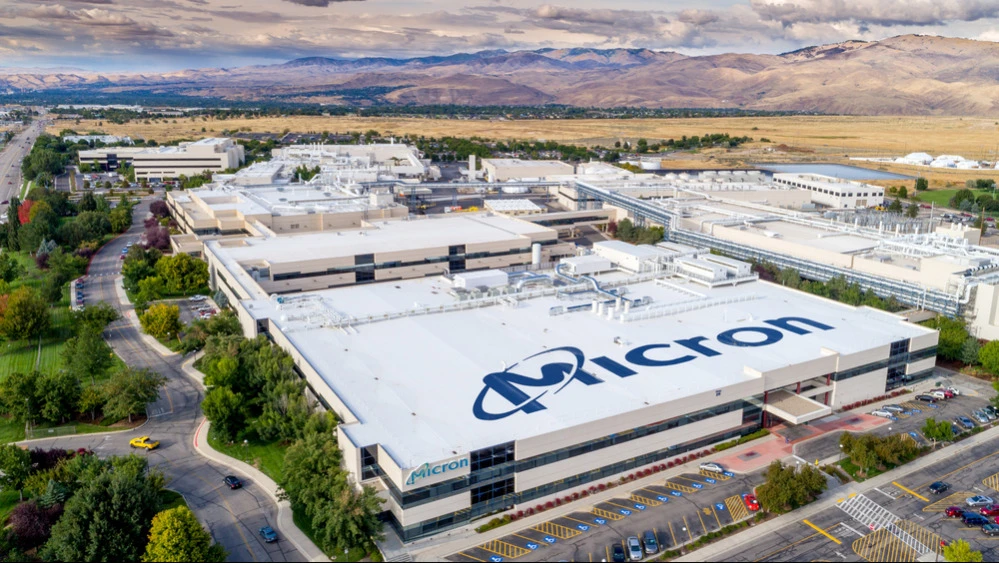
UBS is confident that Micron can handle competition with Korean players in the high-speed memory segment for AI chips / Photo: Charles Knowles/ Shutterstock.com
Shares of memory chip maker Micron Technology have soared amid a global shortage of these semiconductors, and UBS analysts believe that this is a long-term trend, writes Barron's. The supply deficit will remain long enough to justify further growth of quotations, the investment bank believes.
Details
UBS analyst Timothy Arcury on Friday, February 6, raised his target price on shares of memory chip maker Micron from $400 to $450, which implies a growth potential of 14.3%. The analyst also confirmed the recommendation to buy these securities.
At trading on Friday they rose by 1.5% to $399.5. Since the beginning of the year, the company's capitalization has grown by 37%, and over the past 12 months - more than four times. Quotes were fueled by high demand for memory chips used in artificial intelligence equipment. The deficit is pushing prices up for the entire line of Micron products, notes Barron's.
How long will strong demand last
Barron's has previously warned that memory makers traditionally build overcapacity during the growth phase of the semiconductor cycle, which subsequently leads to sharp collapses. However, Arcury sees no risk of overheating in the near term.
"Our conversations with market participants indicate that memory shortages will persist through 2027, with DRAM (RAM) shortages likely to persist through the fourth quarter of 2027 and NAND (flash memory) shortages through the first quarter," Arcury wrote in a note quoted by the publication. DRAM is used in PCs and servers, while NAND is used in smartphones and SSDs.
Skeptics point out that electronics manufacturers, faced with rising component prices, may cut back on memory purchases, Barron's notes. In addition, higher prices could dampen demand for smartphones and personal computers. However, Arcury believes that increased memory consumption in AI datacenters will more than offset these risks.
He is also confident that Micron will do well to compete with Korean players Samsung Electronics and SK Hynix in the HBM segment, a high-speed memory for AI chips that is critical to GPUs produced by companies such as Nvidia. "All major AI gas pedal vendors are moving to a three-vendor procurement strategy, moving away from the previous reliance on one or two suppliers," emphasized Arcuri.
What other analysts recommend
Wall Street is generally positive about the prospects of the memory maker. According to MarketWatch, 44 out of 50 analysts tracking the dynamics of Micron securities advise to buy them. A month ago "bullish" recommendations were only 39. Four analysts suggest keeping the company's shares in the portfolio, and only two believe that they should be sold. At the same time, the Wall Street consensus price target is 4.5% below the last close.
This article was AI-translated and verified by a human editor