US stocks moved to the upside on expectations of G7 decisions on oil market

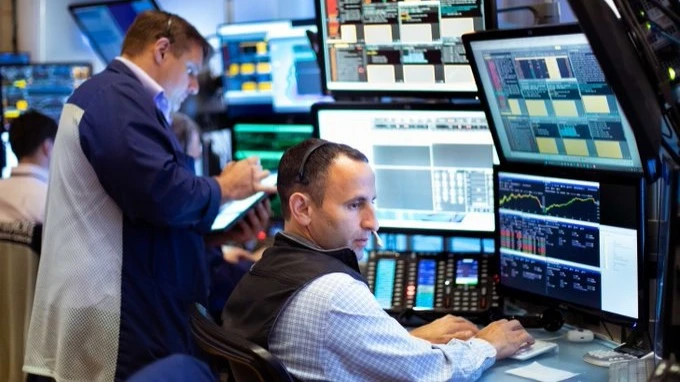
US stocks moved to the upside on expectations of G7 reserves utilization / Photo: X / NYSE
Major U.S. stock indexes moved to growth after the G7 countries instructed the International Energy Agency to prepare scenarios for the release of strategic oil reserves amid the Iranian crisis.
Details
After a multidirectional movement at the beginning of trading on March 10, the broad index of American stocks S&P 500 eventually came out in the plus and added 0.4%, the Dow Jones Industrial Average rose by 0.5%, the technology Nasdaq Composite - by 0.7%. Earlier in the session, the Dow was down 0.22%, while the S&P 500 and Nasdaq were down about 0.5% and 0.4% respectively at their lows.
Oil prices, which have been rising sharply recently, fell significantly on Tuesday, March 10, on expectations that the G7 countries may tap strategic reserves to mitigate supply disruptions due to the conflict, CNBC noted. West Texas Intermediate crude futures fell 11% to about $84 a barrel, while Brent cheapened 10.5% to $88.6.
What's going on
The G7 countries instructed the International Energy Agency (IEA) to prepare scenarios for the release of strategic oil reserves amid the crisis in the Middle East, which destabilizes markets, Bloomberg writes. The G7 wants to be ready to use oil reserves if necessary, French Finance Minister Roland Lescure told reporters. The IEA will discuss this issue at the governing council meeting later on March 10.
Meanwhile, the flow of oil through the Strait of Hormuz off the coast of Iran, which is a critical route point for global offshore oil supplies, rose slightly on Monday, March 9, but remains well below pre-war levels, Goldman Sachs analysts said. Their data is cited by the Wall Street Journal. The number of tankers passing through the strait on Monday, March 9, was about 20% of prewar levels, according to analysts based on ship tracking by S&P Global and Kpler. Over the past four days, Goldman estimates that about 1.6 million barrels of oil per day have been passing through the strait, compared with about 20 million barrels before the conflict escalated. Goldman cautioned that this data may not be accurate as some tankers turn off their monitoring systems before passing through the strait. The main traffic through the Strait of Hormuz is now provided by vessels of the so-called "shadow fleet", according to Lloyd's List Intelligence data, while major shipowners mostly avoid this route, the newspaper said.
For more than a week now, shipping through the Strait of Hormuz has been virtually blocked - after attacks by the US and Israel, Iran in early March threatened tankers that pass through the waterway with arson.
This article was AI-translated and verified by a human editor