US stocks rise in price, White House assures that it is dialoguing with Iran: the results of the 26th day of the war
Retail investors continue to buy the decline, while oil traders took a rare opportunity to lock in profits, analysts said

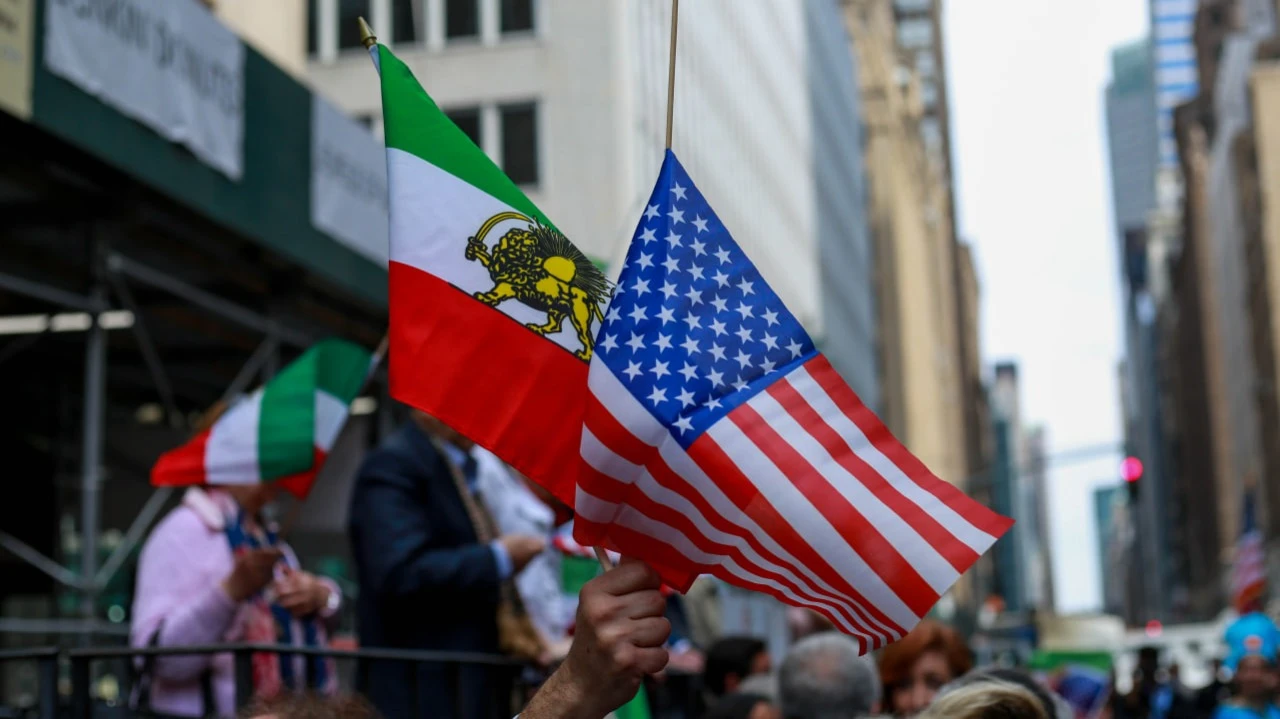
Photo: Steve Edreff / Shutterstock.com
Major U.S. stock indices rose at the end of trading on March 25, while oil futures fell in price by 1.5-1.7%. Traders, who throughout the day were trying to assess the viability of ceasefire negotiations between the U.S. and Iran, caused a new wave of fluctuations in the market, describes the situation Bloomberg. By late afternoon, the White House issued a series of statements insisting that the dialog between the two countries was underway and productive, outweighing reports that Iran had rejected the truce plan and continued to launch strikes.
Details
- The broad market index S&P 500 added 0.5% at the end of the session.
- The Dow Jones blue-chip index rose 0.7%.
- The tech-heavy Nasdaq Composite rose 0.8 percent.
- The Russell 2000 index of small and mid-capitalization companies jumped 1.1%.
What investors were watching
The U.S. has had productive talks with Iran over the past three days, White House press secretary Caroline Leavitt said . "The [Islamic Republic] regime is looking for a way out," she said. Vice President J.D. Vance may travel to Pakistan this weekend for talks on Iran, CNN reported.
According to Bloomberg sources, the U.S. prepared a 15-point peace plan that it conveyed to the Iranian side via Pakistan. Leavitt on Wednesday acknowledged that there are "elements of truth" in the published plan. She also confirmed that the Iran operation is expected to last four to six weeks. A fourth is now underway.
Meanwhile, Iranian state media earlier rejected Washington's peace initiatives. Tehran has its own conditions, including guarantees that the US and Israel will not resume attacks and compensation for military damage, as well as recognition of its control over the Strait of Hormuz, Press TV reported.
Following Iran's reaction to the U.S. ceasefire proposal and reports of an attack on a nuclear power plant in Bushehr, Brent crude futures bounced off the day's lows, trimming the decline. According to the White House spokesman, there is no understanding yet when the first tanker will be able to pass through the Strait of Hormuz. The U.S. is working to secure traffic as soon as possible and is developing "creative" solutions to contain oil prices, she said.
Why the market remains resilient
While confidence in de-escalation remains low, investors saw the drop in oil prices as a rare opportunity to lock in profits after building up long positions since the beginning of the month, Bloomberg explains.
- "Markets are pricing in a resolution of the conflict despite the ongoing strategic uncertainty," Elias Haddad of Brown Brothers Harriman & Co. told the agency. - Ultimately, it will be Iran's reaction to the U.S. U-turn toward de-escalation that will determine whether the peak of fear is behind us or still ahead of us."
- "At this point, it is impossible to accurately understand the actual status of the negotiations, so we should expect further sharp fluctuations as the situation develops," strategists at Bespoke Investment Group predict. Nevertheless, they believe that "although Iran still has some trump cards, the balance is largely not in its favor."
- "We haven't seen a major drawdown and this suggests that retail investors are continuing to ride out the decline," said Nationwide strategist Mark Hackett. - If tensions start to subside, institutional investors may need to get back into the market quickly, and that could trigger a strong rebound."
- It's important for investors not to become overly bearish, especially during geopolitical events that could change direction at any time, says Paul Stanley of Granite Bay Wealth Management. "Markets may remain volatile over the next few weeks until the reporting season kicks off in mid-April, which could help to refocus on fundamentals, the economy and artificial intelligence," he expects.
Optimism about financial results partially explains the stability of the S&P 500 amid fighting in the Middle East, Bloomberg writes. According to the data it collected, analysts expect companies in the index to report an 11.9% increase in profits at the end of last quarter. Prior to the war in the Middle East, the consensus forecast was 10.9%.
This article was AI-translated and verified by a human editor