US stocks surge amid optimism around a possible Iran deal

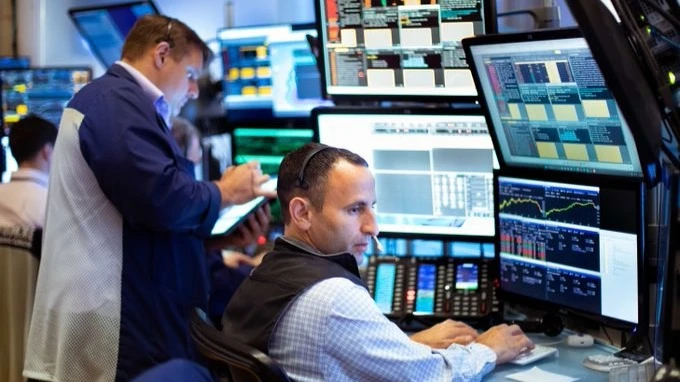
Photo: X / NYSE
Major U.S. stock indices opened on May 6 with growth amid reports of a possible imminent deal between the U.S. and Iran. Axios reported on Ma 6, citing sources, that the parties are close to an agreement that should end the war in the Middle East. However, U.S. President Donald Trump told the New York Post that preparing for a peace deal soon is, in his estimation, "too soon." Shortly after Axios published TruthSocial, the US president threatened to resume bombing attacks on Iran if Tehran did not agree to allow free passage of ships through the Strait of Hormuz.
Details
Against this backdrop, the broad S&P 500 index of American stocks jumped 0.8% in the first minutes of trading, the tech-heavy Nasdaq Composite is up 0.89%, the Dow Jones blue-chip index is adding more than 1%, and the Russell 2000 index of small and mid-cap companies is up 1.75%.
Meanwhile, Brent crude oil with delivery in July has partially recovered the fall on Ma 5 (at the low it fell to $96.75) and at the time of publication is trading at $103.4 per barrel. North American WTI after falling to $88.66 rose to $96.4 per barrel, but still loses almost 6% against the previous close.
The VIX Volatility Index, also known as the "Wall Street Fear Index," fell 3% to 16.8 points - any value above 20 indicates heightened volatility in the markets; the VIX was at these levels for the entire first month of the war in the Middle East, but then fell below critical levels.
Spot gold jumped 3% to $4697 per ounce amid news of a possible imminent agreement between the U.S. and Iran. Silver was up 6% to over $77.
What the market is saying
"This window of optimism about a peace settlement [in the Middle East] has allowed money to return to the stock market," commented Chris Turner, head of currency strategy at ING Bank NV in London (quoted by Bloomberg). "The driving force," he added, "was [investors'] deep conviction that the technology sector will continue to build infrastructure for AI.
The stock market's rise has shown that it "can't escape the euphoria around AI investment," said Kevin Gordon, head of macro research and strategy at the Schwab Center for Financial Research (quoted by Reuters). "A protracted war and further increases in gasoline prices pose a bigger headwind for consumer spending, but as long as there are no clear signs of rising unemployment [in the U.S.], the economy remains far from a full-blown recession," he said.
According to the ADP employment report released on Ma. 6, the number of private sector jobs in the U.S. increased by 109,000 in April, beating the forecast of 99,000.
"Wall Street continues to bet that the war in the Middle East won't escalate again and disrupt the market's corporate-backed rally to all-time highs," said Kyle Rodda, senior financial markets analyst at Capital.com. "There is a high risk that if this bet turns out to be wrong, risk assets will go down sharply," he added, noting, however, that the signals Washington is now giving "give confidence that the U.S. is not interested in renewed hostilities" in the Middle East (quoted by Reuters).
This article was AI-translated and verified by a human editor