US stocks will outperform European stocks, says HSBC. What does it see as the driver of growth?
The bank is "turbo-optimistic" on the stock as a whole

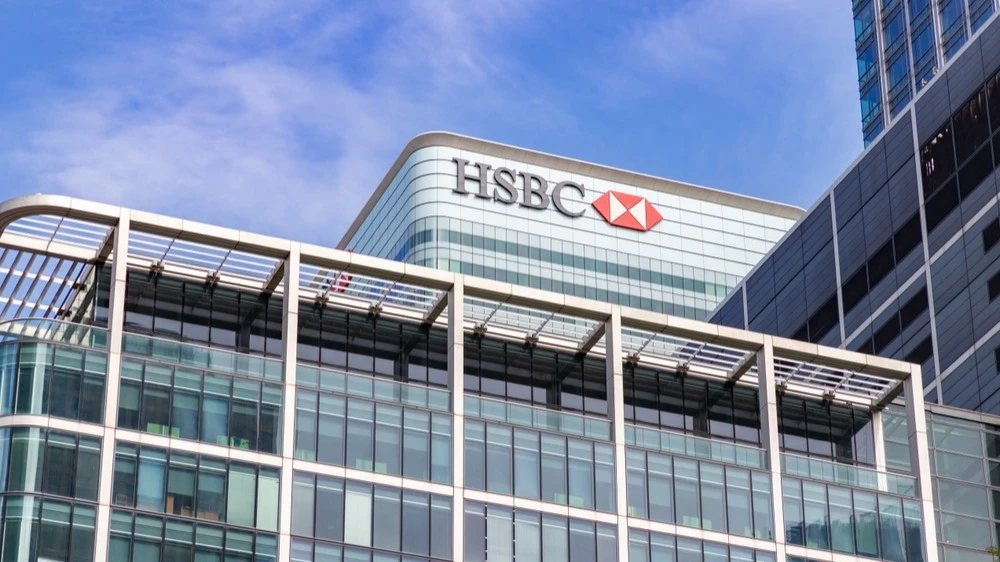
HSBC now believes US stocks will outperform European stocks / Photo: brunocoelho/Shutterstock.com
Strategists at banking giant HSBC have taken a "turbo-optimistic" position on stocks despite the ongoing U.S. war with Iran, CNBC writes. According to analysts, investors' attention is shifting from the conflict to the reporting dynamics of large technology companies. The bank reduced the share of European shares in portfolios, while strengthening the bet on the U.S. market ahead of the reports of Microsoft, Amazon, Alphabet, Meta and Apple.
Details
HSBC's global multi-asset class investment team takes a "maximally bullish" view on U.S. equities, noting the asymmetric effect of the news backdrop from the Middle East on risk assets, CNBC reports.
In a separate note on Tuesday, April 28, head of emerging markets and global equities strategy at HSBC Alastair Pinder raised the recommendation on U.S. stocks to "above market" (Overweight) at the expense of European securities, for which the forecast was reduced to neutral, the channel writes.
Economic activity in Europe looks much weaker and more at risk due to high energy prices, Pinder says. And expected defense and infrastructure spending is being realized more slowly than anticipated, MarketWatch adds.
In contrast, the dynamics of U.S. companies' earnings have steadily moved into positive territory, notes the HSBC strategist.
In addition, continued supply constraints and rising commodity prices are also boosting the appeal of the basic materials sector, so Pinder upgraded it to an "outperform" rating while downgrading its recommendations on the health care and industrials sectors to neutral, MarketWatch elaborates.
What will be the driver of growth in US stocks
HSBC strategists pointed to a wave of upward revisions to U.S. companies' earnings forecasts, with more than half of those improvements coming from the technology sector, CNBC writes.
According to Pinder's estimation, the growth of profit of companies from S&P 500 index in the first quarter will make about 14% in annualized terms, mainly due to technological, raw materials and financial sectors, MarketWatch reports. Already now, after the reports of about a third of companies, the average excess of analysts' forecasts reaches 12%, notes the edition.
At the same time, HSBC's cross-asset class investment team believes that optimism about the US technology sector and AI is short-term in nature. In the more medium term, in their assessment, the market remains in an unusual situation, when simultaneously laying down lower interest rates in the U.S. and accelerating growth in corporate profits, reports CNBC.
"Overall, we also note that the continued stronger profitability outlook in the U.S. makes U.S. equities relatively cheap," the bank pointed out.
"Temporary turmoil has little impact on equities, particularly in the US (and therefore on the broader spectrum of risk assets - credit, rates and currencies)," HSBC strategists wrote. "That said, any move to open the Strait of Hormuz is likely to be seen as a significant positive," they added.
What are the risks?
Prolonged high energy prices will put pressure on U.S. consumption and could lead to sector rotation, Pindeo warned in a CNBC statement.
The strategist estimates that tensions in the Persian Gulf have added about a $30 geopolitical premium to the price of a barrel of oil. This could worsen the profitability of sensitive sectors such as air transportation, freight transportation and logistics, utilities and home goods manufacturers. Against this backdrop, he favors sectors with less dependence on commodity costs - banks, insurance and technology companies, MarketWatch writes.
Context
In dollar terms, the S&P 500 is now actually on par with European stocks: since the beginning of the year, the U.S. index is up 4% versus a 3% increase in Europe.
Global equities were volatile after the start of the US-Israeli war against Iran in late February, but then showed resilience: many key indices have recovered losses and are now trading above pre-war levels, CNBC notes.
This article was AI-translated and verified by a human editor