Victoria’s Secret's turnaround has analysts warming to the story

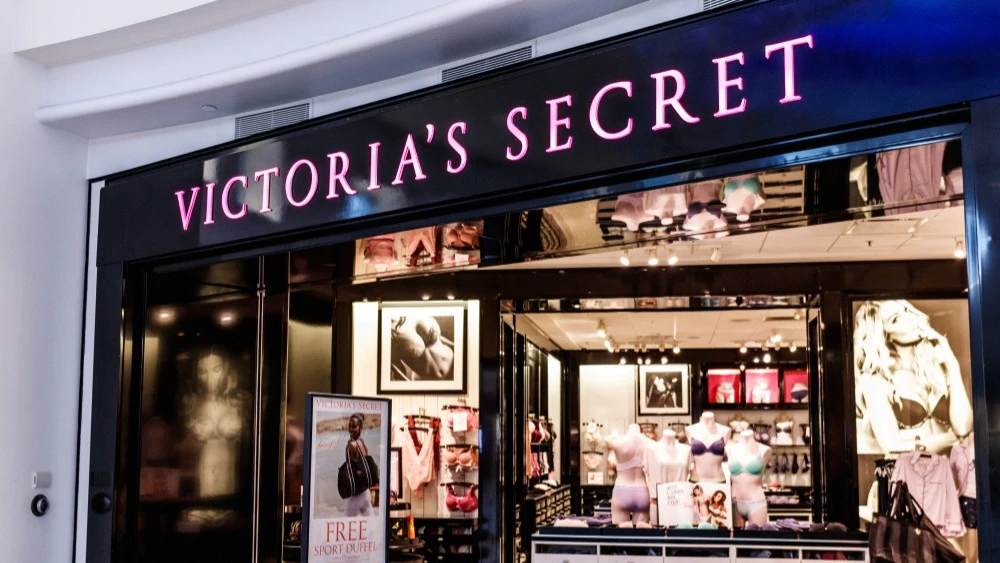
Once the most popular lingerie store in the U.S. has been in crisis for almost a decade. The market capitalization of Victoria’s Secret is slightly over $2.5 billion now, whereas investors have valued Kim Kardashian’s underwear brand Skims at $5 billion.
The Victoria’s Secret bra, which made many of today’s top models famous, has lost its popularity over the past nine years, and the company itself has experienced a series of scandals. However, the brand is trying to regain its place in the sun, and it seems to be succeeding. Below, Oninvest looks at how Victoria’s Secret survived the transformation from the personification of sexuality of the 2000s to a reviled brand, and returned to its roots in 2025.
A lingerie store for men
Victoria’s Secret was founded in 1977 by Roy Raymond, who wanted a lingerie store where men could shop comfortably. He named it after the Victorian era, with the brand’s “secrets” hidden beneath that façade, as Slate noted back in 2013. The idea drew curiosity but not sustained profits: by 1982, the company was generating more than $4 million a year in sales but was close to insolvency.
Les Wexner, the retail magnate behind L Brands, worth more than $50 million at the time, bought six Victoria’s Secret stores that year for $1 million. Wexner saw immediately that Raymond had misjudged the core customer. He rebuilt the chain for women: stores became warmer and more European in style, and the assortment shifted toward the aesthetics that American shoppers wanted. By the early 1990s, Victoria’s Secret had 350 stores nationwide and annual sales above $1 billion.
Troubles
The late 1990s and the 2000s marked the brand’s peak. Victoria’s Secret launched its famous fashion shows featuring the “angels." From 2006 to 2016, sales rose 70% to $7.7 billion. But the market was changing. The Wall Street Journal wrote Victoria’s Secret continued pushing the glamour-driven, push-up aesthetic even as rivals embraced cheaper, more comfortable bralettes and athletic-inspired tops. Between 2016 and 2018, the company’s U.S. market share fell from 33% to 24%, and customers increasingly complained about declining product quality.
Reputational issues deepened the downturn. In November 2018, Ed Razek, then chief marketing officer of L Brands, made controversial remarks about transgender and plus-size models. Although Razek apologized, calls for his resignation intensified. In 2019, the company canceled its annual fashion show. That same year, L Brands and Wexner faced scrutiny over ties to Jeffrey Epstein. In February 2020, Wexner announced he would step down as CEO and chair of L Brands.
Crisis management
Victoria’s Secret attempted to stabilize its business. The company reshuffled its management team and shifted its strategy toward cutting costs and improving performance. Around 250 Victoria’s Secret and Pink stores in the U.S. and Canada were permanently closed in 2020.
The brand then moved toward comfort-focused products and more inclusive marketing, hiring models with a broader range of body types to appeal to younger shoppers. The strategy, led by CEO Martin Waters, initially lifted sales and profitability, but momentum soon stalled.
When Hillary Super replaced Waters in September 2024, she inherited a difficult situation, the Wall Street Journal reported. The brand had recorded more than two years of declining sales, and Super faced intensifying competition from Skims, which had successfully positioned itself as a body-positive, size-inclusive apparel brand.
Super took a different approach from her predecessor. She did not distance the company from its historical association with sexuality. "Decisions were made out of fear,” she said of the previous leadership. The company was trying too hard not to offend anyone and the brand "got a bit watered down." In 2024, Victoria’s Secret relaunched its iconic fashion show, this time featuring transgender models and models of different ages, ethnicities, and body types, alongside traditional "angels."
In April 2025, the company unveiled a new strategy, “Path to Potential,” and appointed new presidents across key business lines. Victoria’s Secret has yet to respond to a request from Oninvest for comment regarding its development strategy, future plans, and investor relations.
What analysts say
Despite these efforts, Victoria’s Secret shares have fallen nearly 18% year to date. In June, the company faced renewed pressure from activist shareholders: Barington Capital called for changes to the board and the repeal of the shareholder-rights plan, while Australia’s BBRC accused the board of “systematic value destruction.”
Still, investors are watching for signs of recovery. Barron’s noted that the fashion show on October 15 went well, and Victoria’s Secret shares rose nearly 15% between October 15 and November 20.
Analyst sentiment has improved. In late October, Goldman Sachs raised its rating on Victoria’s Secret shares from “sell” to “neutral,” citing stronger brand positioning and higher consumer engagement across Victoria’s Secret and Pink following leadership changes and early progress on the company’s strategic initiatives.
UBS upgraded its rating from “neutral” to “buy” and lifted its target price from $25 per share to $46 per share. UBS analyst Mauricio Serna said he is confident in the management’s ability to reposition the Victoria’s Secret and Pink brands, which he expects will restore solid comparable-sales growth after years of decline. He argued that Wall Street continues to underestimate the company’s potential.
In the second quarter, Victoria’s Secret reported a 3% increase in net sales to $1.45 billion versus the same period last year. Total comparable sales rose 4% year over year.
The average target price for Victoria’s Secret & Co. shares is $31.20 per share, which is 8% below the closing price on November 20, MarketWatch data shows. Of the 10 analysts who track the stock, five recommend holding the shares, three recommend buying (with “buy” and “overweight” ratings), and two recommend selling (with “sell” and “underweight” ratings).
The AI translation of this story was reviewed by a human editor.