Wall Street is "playing with fire," Buffett's formula revealed. Will the rally be replaced by a crash?

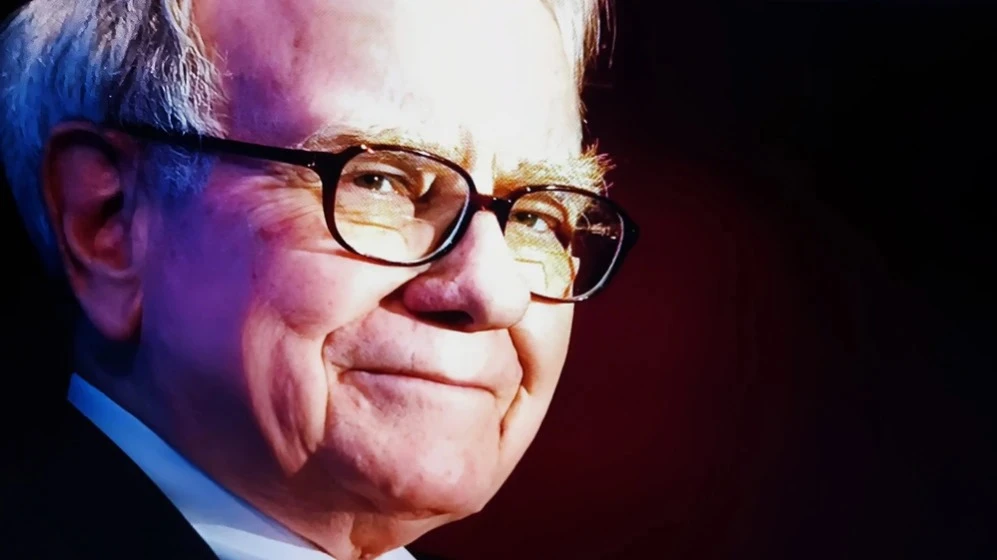
Warren Buffett's indicator indicates that the market is now too expensive to buy / Photo: FotoField/Shutterstock.com
Fortune's calculations based on Warren Buffett's methodology pointed to a critical overheating of the US stock market. The key indicator for the former head of Berkshire Hathaway has risen significantly above the levels he called dangerous at the height of the dot-com boom. This phase is historically followed by a large-scale correction, the "Oracle of Omaha" warned.
What happened
"Buffett Indicator", which measures the capitalization of the U.S. stock market as a percentage of GDP, has reached 227%. This is about one-sixth higher than the 200% threshold, which the investor himself called "playing with fire" back in 2001, during the dot-com crash, Fortune writes. The recent rally in the S&P 500 index has pushed asset valuations to these extremes: not only has it recovered from the sell-off triggered by the war in Iran, but it also hit an all-time high at the end of last week.
Trap at historic highs
The current levels of the S&P 500 expose two problems. The first is the abnormally high share of corporate profits: 12% of GDP against the historical norm of 7-8%. "Bulls" consider this as a justification for high quotations. But history teaches otherwise: excessive profits attract competitors, which inevitably leads to lower prices and falling revenues. The second problem is overheated valuation. The P/E multiple of the S&P 500 Index (which shows the ratio of a stock's market value to its earnings per share) has exceeded 28. That's two-thirds above the 100-year average (about 17), the Journal notes. As a result, investors are paying much more than the historical norm for every dollar of profit.
Worse than the dot-com bubble
According to Fortune, after 1999, the Buffett Indicator went into the critical zone twice. In March 2000, reaching the 200% mark resulted in a two-fold drop in the S&P 500. In November 2021, a level just above 200% triggered a 19% decline in the index. The current value of 227% is a zone in which the market has never held before. This does not guarantee an immediate collapse: Buffett emphasized that his model only says that extreme values carry risks and predicts an inevitable return to the mean, but does not specify the exact timing. Stocks can remain overvalued for a long time before reality takes its toll.
What Buffett's cache is silent about
An additional signal is the way Berkshire is acting: the company has amassed a record amount of cash and is selling more shares than it is buying. It's a vote of no confidence in the market's balance of risk and return. Buffett only invests when he sees real value - a growing cash position means there are no attractive assets at current prices. When the most patient buyer in history thinks the market is too expensive to buy, it's worth listening to, The Street emphasizes.
What the signal from Omaha means for investors
This warning is not a call to immediately close all positions. Buffett is just a reminder: extreme levels mean extreme risks. The combination of a 227% indicator, an overvalued P/E and record Berkshire cache stocks points to weak future returns on investing in U.S. stocks, The Street writes.
What Berkshire sold and what Berkshire bought
Following the departure of investment manager Todd Combs in December 2025, Berkshire's new head Greg Abel has begun clearing the portfolio of positions previously managed by Combs. The WSJ and Barron's estimate that Berkshire could sell stocks totaling about $15 billion in Q1 2026, including: Amazon, VeriSign, Capital One, Visa and Mastercard.
In March 2026, it became known that Berkshire acquired a 2.5% stake in Japanese insurance company Tokio Marine for $1.8 billion. This is its first major investment in the Japanese market outside of the top five trading houses (sogo shosha). Berkshire will report full transaction data for January-March in mid-Ma. The investment firm may disclose some details at its annual shareholder meeting in Omaha on Ma. 2.
This article was AI-translated and verified by a human editor