"We're not seeing a big scale shock yet": what analysts are saying about the market recovery
Stock and energy markets on Monday "brushed aside" concerns about escalation in the Middle East
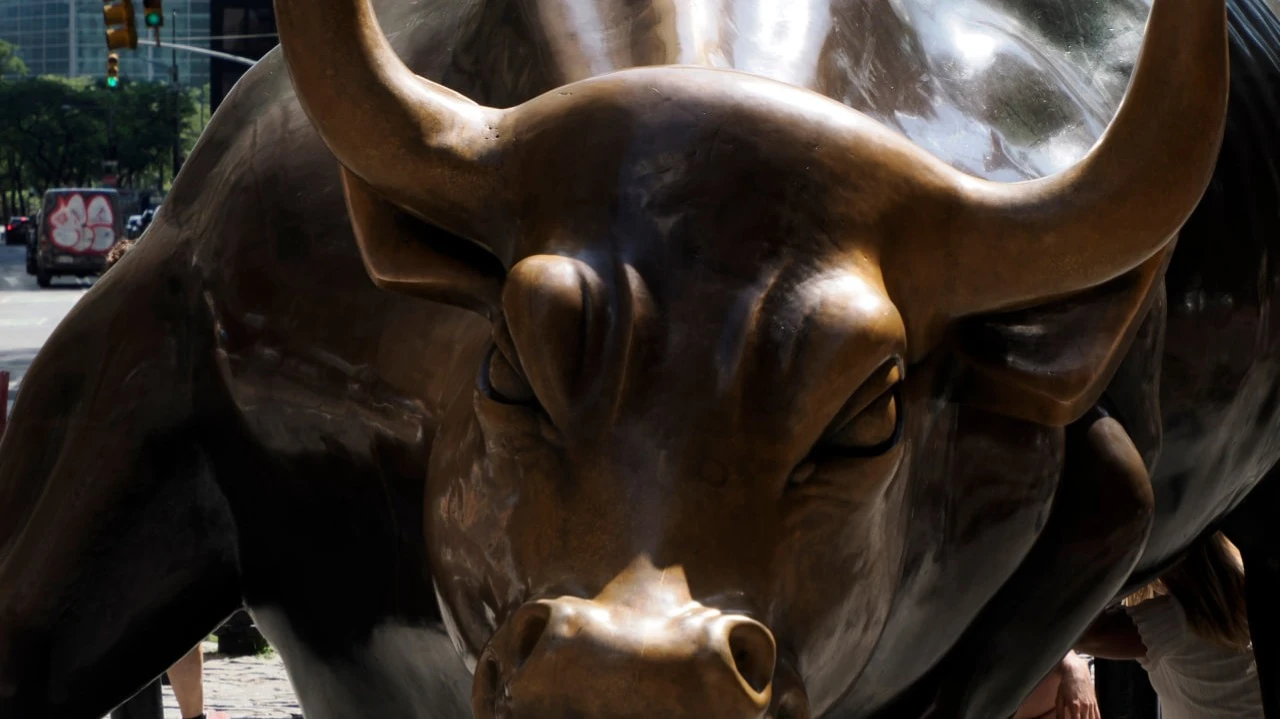
Tensions in the U.S. markets, caused by a sharp escalation of the conflict between Israel and Iran, on Monday, June 16, eased. Leading stock indices rose, with the technology Nasdaq Composite showing the biggest rise - it added 1.5%. Oil prices declined: Brent fell in price by 1.5%, and the American WTI - by more than 2%;
Investors hope that despite the scale of the conflict, it will remain local. Media reports about Tehran's readiness to resume negotiations on its nuclear program have added to their optimism. According to Jerusalem Post sources, US President Donald Trump intends to make Iran a "final offer." Wall Street analysts comment on the markets' subdued reaction: a more sustained sell-off may require a significant escalation. Here's what they say:
Deutsche Bank
Traders ignoring geopolitical risks is not uncommon, and the current conflict has not yet caused the kind of disruptive effects that have really impacted stock exchanges in the past, explains Deutsche Bank macro strategist Henry Allen. "Historically, geopolitics has only become significant for markets when it affects macro indicators such as economic growth and inflation. So it was events that caused stagflationary shocks - like the oil crises of the 1970s, the Gulf War in 1990 and Russia's invasion of Ukraine in 2022 - that were important. Now, we have yet to see a shock of that magnitude," Allen wrote in a report for clients that quotesCNBC.
The stock market's current structure may make it even more resilient than the statistics indicate, Deutsche Bank strategist Jim Reid said in a separate note. "Historically, the S&P 500 Index has declined by about 6% in the three weeks following a geopolitical shock and then fully recovered in the following three weeks. However, our strategists believe the threshold for a more significant sell-off is higher now, as positions in equities have already been sufficiently reduced."
According to Reid, "much will depend on whether the U.S. gets directly involved [in the conflict], whether Iran's oil production or transportation infrastructure is hit, and - most importantly - whether Iran tries to close the Strait of Hormuz, through which 20% of the world's entire daily oil trade passes."
Allen also outlined two key threats that investors should really focus on: the looming date of July 9, when Trump's 90-day pause on duties expires, and inflation risks. The strategist doesn't rule out that price increases caused by trade restrictions will overlap with a potential oil shock due to tensions in the Middle East.
That said, JPMorgan Chase's trading division, led by head of global market analytics Andrew Tyler, believes that should the market corrections occur in the near term, they should be viewed as buying opportunities. According to this forecast, the bullish scenario remains in place - provided that the long-term course of easing US trade policy remains in place.
HSBC
The conflict between Iran and Israel would be more meaningful to investors if it caused inflation to rise due to oil market disruptions, agreed Alester Pinder, head of emerging markets and global equities strategy at HSBC Global Research. "While 60% of major events since 1940 have seen the U.S. stock market post gains over the next three months, oil shocks have remained the main exception," he said in a note published Sunday. - In such cases, global equity markets declined an average of 8% over the next two months."
RBC
"At this point, we believe the U.S. equity market has not yet priced in a major escalation or expansion [of the conflict]," said Lori Calvasina, head of U.S. equity strategy at RBC Capital Markets, in a note to clients on Sunday, even before the recovery, text quotes Yahoo Finance. But if inflation jumps following higher oil prices, the S&P 500 index risks falling sharply, the analyst said. "Conflict has the potential to heighten anxiety about the state of the consumer sector, the broader economy and future Fed policy - such a shift in sentiment is likely to be a problem for the stock market," says the note.
What others are saying
- "If inflation rises because of [rising] oil prices, there's a risk that the Fed won't cut rates at all this year," Halo Investing President Jason Barsema said. According to the CME FedWatch tool, traders are now laying out as many as four interest rate cuts by the end of the year and expect there will be no cut at this week's upcoming meeting. "People keep looking for signs that the U.S. economy is weakening - but it's not happening," Barsema told MarketWatch in a phone interview. - The Fed sees no reason to cut rates."
- As DataTrek Research co-founder Nick Colas noted on Monday, the critical level of oil prices to watch is $120 a barrel. He analyzed the period from 1987 to 2019 and found that before recessions, WTI oil prices typically doubled from the previous year's level. "While we assume that tensions in the Middle East will soon subside - as has happened repeatedly in recent years - oil prices can still affect the U.S. economy over time, and investors are wise to maintain a stake in the energy sector," Colas wrote.
- Ryan Suit, chief U.S. economist at Oxford Economics, on the other hand, believes the protracted conflict between Israel and Iran could push the Fed to cut interest rates earlier than expected. "A prolonged rise in oil prices could force the Fed to take a softer stance," Suit suggested in a note that was published "recently" as pointed out by Yahoo Finance. He argues that a prolonged oil shock could undermine demand and even affect the generally robust labor market. "If the Fed decides that the hit to the economy and labor market outweighs a temporary spike in inflation, it could signal a willingness to cut rates sooner."