Why did Morgan Stanley see the collapse in gold prices as a positive signal for US stocks?

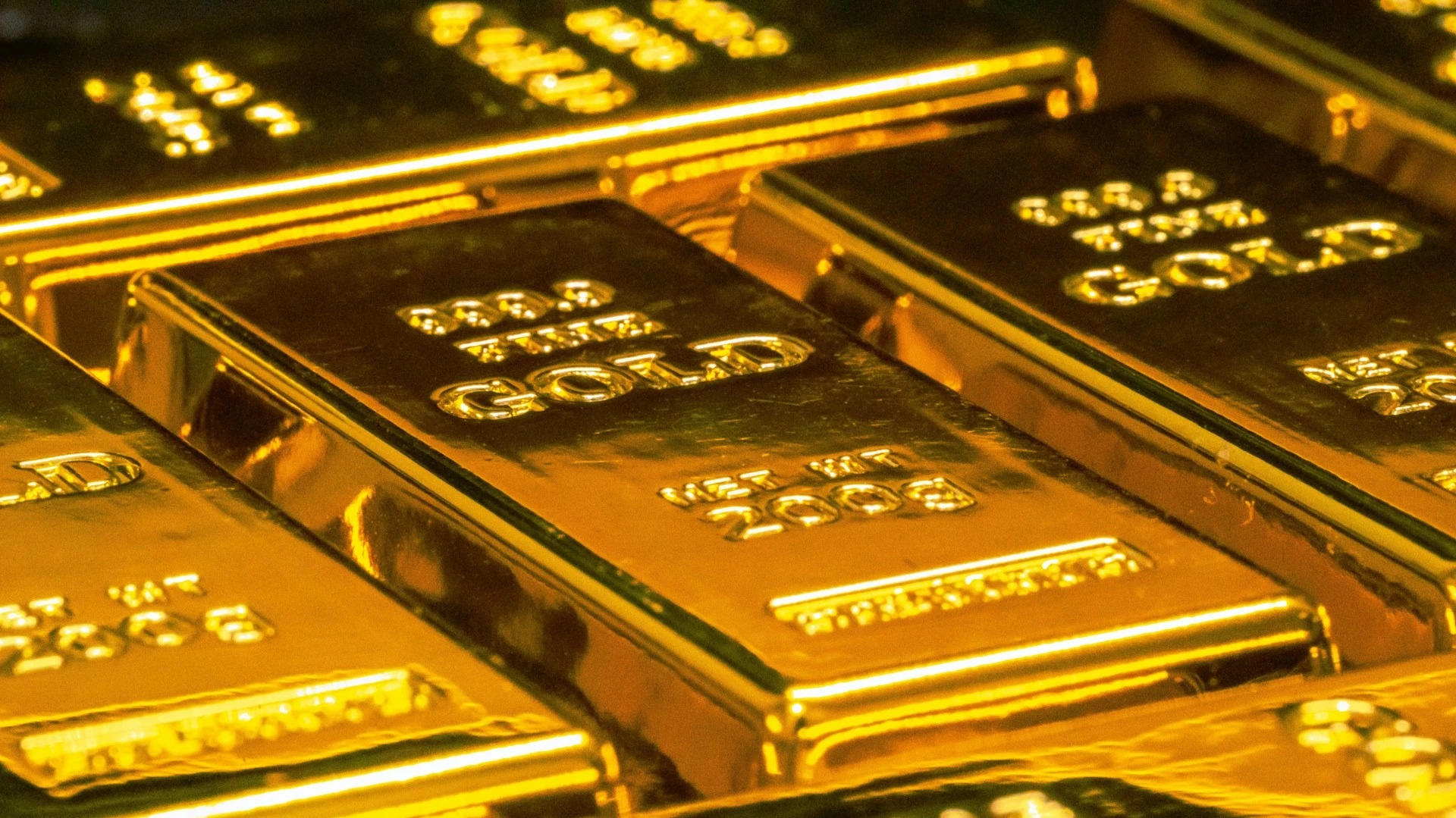
Gold's entry into bear market territory could be a positive signal for the US stock market, according to Morgan Stanley / unsplash.com / Photo: Jingming Pan
The sharp decline in gold prices may be due to a change in investor sentiment, which reflects that the market is becoming more risk averse, writes MarketWatch, citing Morgan Stanley strategist Mike Wilson. And although at the height of the conflict in the Middle East gold did not behave as a protective asset, it is worth taking into account that in the long term the precious metal usually grows against the background of geopolitical and market tensions, analysts note.
Details
According to strategists at Morgan Stanley, an important factor in tracking stock market sentiment is the ratio of the S&P 500 index to gold. An increase in this ratio means that the market is less likely to put risks such as inflation, deflation and geopolitical instability into asset prices, which usually support gold prices - and vice versa, MarketWatch explains. Thus, an increase in the ratio between the S&P 500 Index and the price of gold could signal that investors are positive about stocks and not concerned about issues, while a decline in the ratio could mean they are "overly pessimistic."
Over the past three weeks, since the start of the conflict in the Middle East, this ratio has risen by about 12%, Morgan Stanley strategists calculated. And before Trump's reports of peace talks with Iran and a temporary U.S. cease-fire on Iranian energy infrastructure, the ratio of the S&P 500 to gold was even higher. It has been rising even as the S&P 500 recently fell 6.8% from its January highs, MarketWatch notes, noting that the price of gold has fallen even faster than stocks in recent days. That said, the rise in the S&P 500-to-gold ratio comes after a prolonged decline, which Wilson estimates indicates that markets are "not complacent" about geopolitical risks.
Wilson notes that historically, the ratio of the S&P 500 to gold often reaches lows during periods when the U.S. is actively involved in major military conflicts - and then rises. "Could we see a similar dynamic today?" - the analyst wondered.
What's happening to gold prices
Since its all-time high in late January, gold has lost almost 25% of its value, and at trading on March 23, the precious metal price fell to $4099 per ounce, losing almost 10% of the previous close. Gold formally entered the "bear market" territory, MarketWatch notes. And although after the statements of U.S. President Donald Trump about "productive negotiations with Iran" gold quotes partially recovered the collapse on March 23, at the time of publication, the precious metal is still trading in the minus against the previous close by almost 1%.
Such a fall in gold quotes from the January highs Morgan Stanley analysts, among other things, attributed to the fact that on the eve of the historic peak, a significant interest in gold was shown by private investors, which was accompanied by a sharp inflow of funds into investment funds that track the price of metals. Market volatility has now squeezed out those gold and silver buyers, MarketWatch writes.
An additional factor in the decline in gold prices, according to Wilson, could be gold sales by individual nations that need liquidity to cover rising costs - including higher oil and other commodity prices - as well as to fund subsidies.
What other analysts are saying
"The war in Iran adds a lot of uncertainty to what, in theory, should spur demand for gold," Aakash Doshi, head of global gold and metals strategy at State Street Investment Management, also notes(quoted by MarketWatch). In particular, the precious metal has come under pressure from more powerful economic factors, the analyst pointed out.
ANZ noted that the fall in precious metal quotations is due to "fears that high inflation will force the Fed to raise rates".
At the same time, JPMorgan's long-term forecast for gold remains "bullish": the longer the disruptions in energy supplies continue and the more they press on inflation and economic growth, the "sooner the background for gold will become significantly favorable again."
This article was AI-translated and verified by a human editor