"Young Tesla" surprised Wall Street with its first post-IPO report

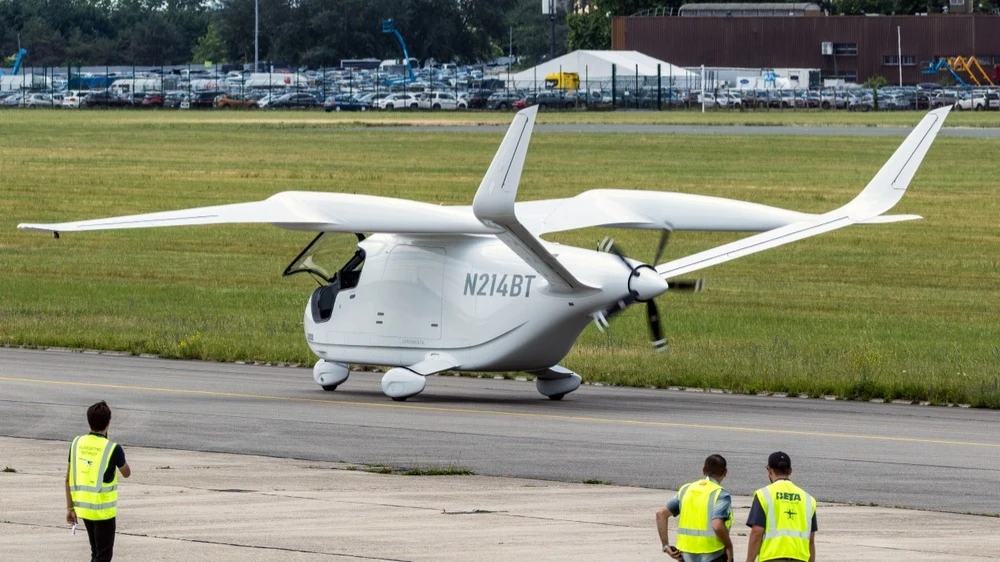
Beta Technologies, a maker of electric airplanes, propulsion systems, chargers and components, which analysts call the "young Tesla", presented its first results after going public. They turned out to be better than analysts' expectations, Barron's notes.
Details
- The manufacturer of electric aircraft and components reported an operating loss of $81 million on revenue of $8.9 million for the third quarter. Wall Street analysts were expecting a weaker performance - a loss of $90 million on sales of $6.8 million. For comparison, a year earlier the company recorded an operating loss of $73 million on revenue of $3.1 million. The company attributed the current figure to the impact of the issuance of convertible preferred stock.
- In 2025, Beta forecasts revenue of $29-33 million, close to the consensus forecast of $30.5 million. The order book looks strong, Barron's notes: 891 aircraft, totaling $3.5 billion, including 289 "firm orders" and 602 options.
- Beta plans to begin commercializing its electric helicopters and aircraft between 2027 and 2028, Barron's notes.
"As a newly public company, we continue to build on what makes Beta special: our consistent approach, vertical integration and commitment to building a complete electric aviation ecosystem that meets the needs of customers around the world," CEO Kyle Clark said in a statement.
After the publication of the report, the shares fluctuated strongly: on Thursday quotes fell to $27.89 per share and rose to $31. At the end of trading on December 4, the securities closed at $29.79, adding 1.3%. At the premarket on December 5, the growth continued - about 0.3%.
What the analysts are saying
Beta shares are still trading below the IPO price. The aircraft maker held its IPO on Nov. 4 and raised $1.01 billion in the offering. The company sold 29.9 million shares at $34 apiece - above the originally announced price range. Based on the price and volume of the offering, the company was valued at about $7.44 billion at the time, Reuters calculated.
Beta now has a market capitalization of just under $7 billion. The company remains relatively new to a wide audience of investors. Serious revenue growth is expected later, Barron's adds. Jefferies analyst Sheila Kahyaoglu forecasts sales of $4.2 billion by 2030. She gives the paper a "hold" recommendation and a target price of $30 a share. Kahyaoglu is the only one among analysts who rate Beta neutral. Seven other analysts monitoring the company's stock recommend buying the stock. The average target price is around $38 per share, which implies a 31% upside from current levels.
"Beta is an aircraft and component manufacturer, and that's one of the most attractive types of businesses in aviation," notes Anthony Valentini of Goldman Sachs. The target price for Beta shares, he estimates, is $47. Among the drivers of the company's growth the analyst calls its cooperation with GE Aerospace. Together, the companies are working on a hybrid vehicle for defense and are actively promoting propulsion and charging systems. Valentini believes that Beta has the most favorable position among companies that create electric aircraft, including in comparison with Joby Aviation and Archer Aviation.
In early December, Morgan Stanley analysts noted that "Beta is like a young Tesla, but with a more attractive aerospace end-market where barriers to entry are higher than in the auto industry." At the time, the bank gave the company's shares an above-market rating and a target price of $34 - up 17% from the closing price on Dec. 4.
This article was AI-translated and verified by a human editor