$1.7 billion insider: market spotted questionable trades before leaks about peace with Iran
Anomalies in the oil futures market have been recorded since late February - after the outbreak of war in the Middle East

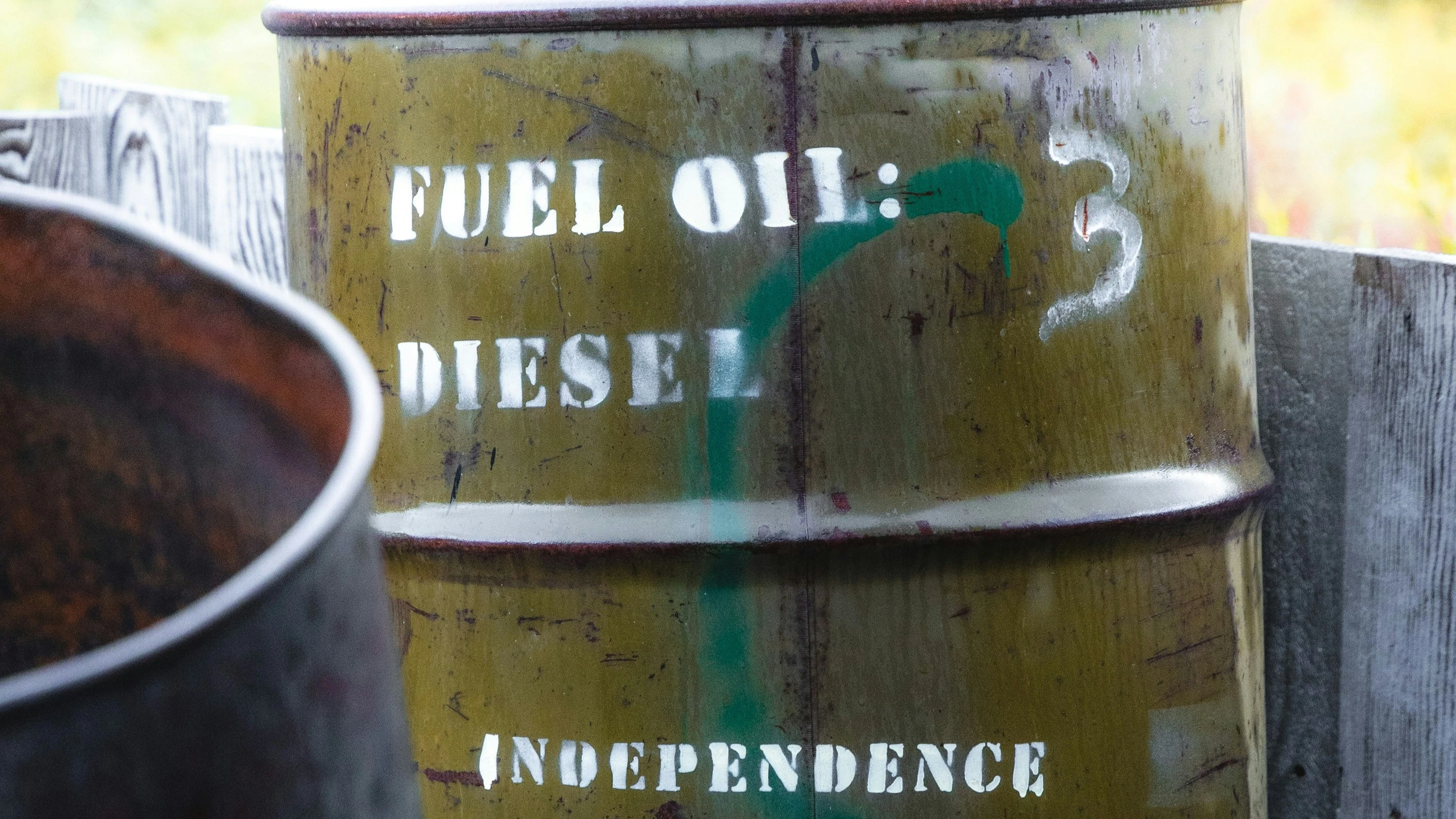
Oil prices fell nearly 10% in less than two days on renewed hopes of a speedy US truce with Iran / Photo: Tomas Malik/Unsplash.com
A sharp jump in the volume of trading in oil futures was recorded on May 6 on U.S. exchanges shortly before the publication of information in the media about the new peace proposal of the United States to Iran. Experts polled by MarketWatch suspect the traders of using insider information.
According to Dow Jones Market Data, about an hour before the release of the May 6 Axios material on the preparation of a peace memorandum owners changed about 17.3 thousand oil contracts worth $1.7 billion. The main transactions took place before 4:10 a.m. EST - in the hours when trading activity is usually minimal. After the publication of Axios at 4:50 a.m. on Ma. 6, oil quotations fell sharply.
Gregory Brew, senior analyst at Eurasia Group, and Ilya Bushuyev, former president of Koch Global Partners, characterized the morning's activity as suspicious. Bushuyev noted that "the pattern of foul play is clearly continuing." Anonymous traders in the industry also expressed concern that such transactions undermine confidence in the exchange.
In April, Bloomberg reported that the U.S. Commodity Futures Trading Commission (CFTC) was investigating strange spikes in the oil market that coincided with news releases and posts on the Truth Social network. The commission itself declined to comment on the rumored investigation.
Oddities with oil futures have been happening regularly since late February - after the war in the Middle East began. For example, on April 7, before US President Donald Trump's words about a temporary ceasefire with Iran, traders bet $950 million on a drop in oil prices. A week later, 20 minutes before Tehran's promise not to block the Strait of Hormuz for merchant ships, suspicious transactions for another $760 million took place.
This trend was also noticed in the U.S. Congress. On May 6, Senator Elizabeth Warren commented on the spikes in trading activity on the stock exchange: "Was it just luck? It looks like insider trading to me," she said.
Both benchmark oil grades - WTI and Brent - plummeted by more than 7% on May 6 on optimism about a possible end to the war in the Middle East. Price declines continued on Ma. 7 - as investors reacted to fresh news about progress in resolving the crisis. "Oil markets have been sandwiched between diplomacy and [energy] supply disruptions for more than two months now, and investor emotions have been manipulated almost daily by news headlines," stated Priyanka Sachdeva, senior analyst at Phillip Nova (quoted by Reuters).
This article was AI-translated and verified by a human editor