6% of analysts recommend Lululemon stock. Why is an investor from *The Big Short* buying it?
Renowned short seller Michael Burry believes investors are mispricing the company and predicts “explosive growth” for Lululemon in the long term


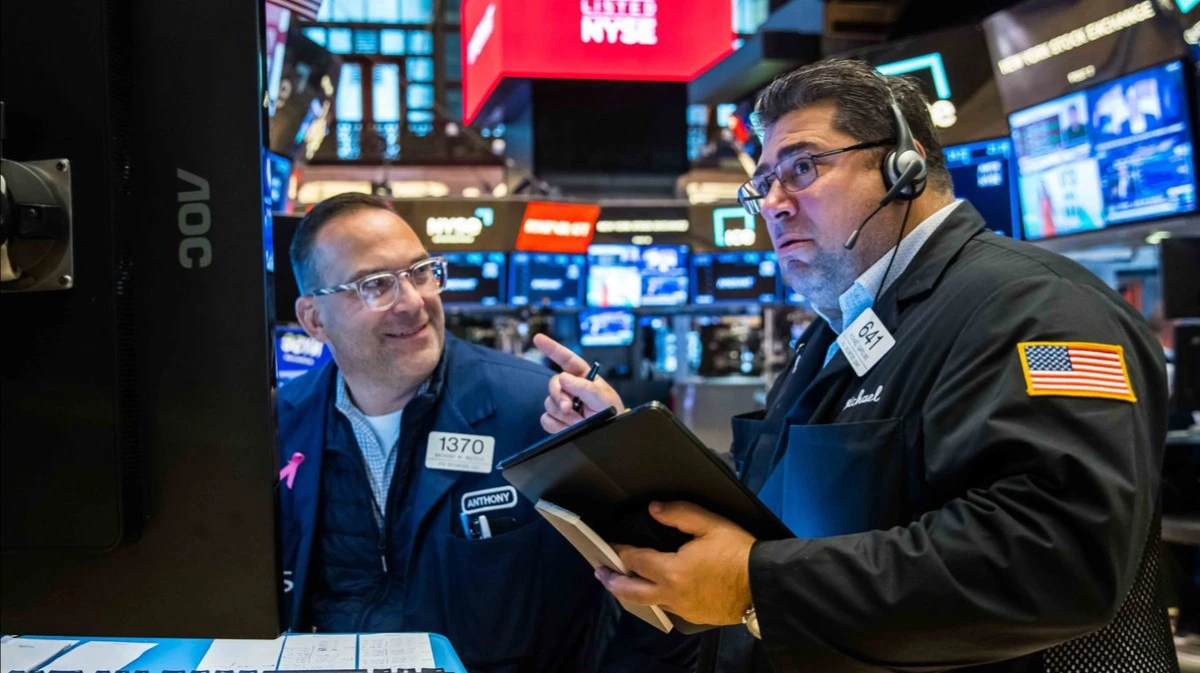
Michael Burry, an investor from *The Big Short*, buys Lululemon stock / Shutterstock.com
Shares of athletic apparel manufacturer Lululemon have fallen by about 75% over the past 18 months: in January 2025, they were trading above $420, but by June 22, they had dropped to $105. The retailer has almost no support on Wall Street: only two of the 32 analysts covering the company have a “buy” rating. Well-known short seller Michael Burry sees an opportunity to profit from this: on his blog, Cassandra Unchained, he wrote that he had bought more of Lululemon’s discounted shares and now holds a position with an average price of $124.65 per share.
According to his calculations, the company's fair value is $155.81 per share. At that price, he expects the shares to yield an average annual return of about 18% over a 15-year horizon.
"I see a business with tremendous potential for explosive growth that is currently being held back solely by temporary challenges."

How Lululemon Lost Wall Street's Trust
The market sees Lululemon as a brand that has begun to lose control of its core product, Burry writes in his blog. Until recently, Lululemon, along with Nike, was one of the few retail stocks that fund managers considered nearly a must-have for their portfolios. Now that status is in question: in the first quarter, the retailer’s revenue in North America fell by 3%, and the company’s outlook for all of 2026 fell short of analysts’ expectations.
"The fact that LULU has found itself in this situation seems somewhat surprising to those who have been following the company for many years. For a very long time, LULU’s stock performance was unmatched. Over the past two decades, no other company in the apparel retail sector has outperformed LULU—despite all of management’s missteps. LULU was a true retail powerhouse that management simply seemed incapable of destroying—and all of this was just a short while ago.”

The scandal surrounding the new line of leggings (the fabric was too sheer) and mistakes in product assortment distribution have hit the core issue—customers’ willingness to pay a premium for the brand, writes Burry. The situation was exacerbated by a public relations blunder in China: management held an event at the Great Wall of China featuring Japanese taiko drums, which drew criticism on social media. Burry calls this yet another “own goal” for the company—and one in a region where growth is particularly important for Lululemon.
On top of product, brand, and financial issues, there was a leadership vacuum—a protracted search for a CEO. Heidi O’Neill is set to take over the position on September 8. Following the announcement of her appointment, Lululemon’s stock fell another 31%: the market holds O’Neil, who spent 25 years at Nike, responsible for the company’s operational failures during its transition to sales through its own retail stores and website.
"I can't vouch for the new CEO, and that's a weak point in this investment thesis. However, expectations are currently extremely low, which is clearly reflected in the stock price."

The investor disagrees that Lululemon's weak sales and other problems spell the end of the business.
"Business isn't falling apart. It’s simply not growing due to numerous mistakes, a lack of leadership, operational failures, and regulatory setbacks—such as duties and the elimination of de minimis tax exemptions (the removal of the duty-free threshold for parcels—Oninvest).”

A Crisis Assessment for a Strong Brand: What's Behind Burry's Strategy?
The company remains profitable, has virtually no debt, and holds about $1.5 billion in cash, according to Burry. Lululemon maintains a significant business scale: the company has more than 800 stores, and its international revenue exceeds $3 billion. For Burry, this is one of the arguments against market pessimism. According to calculations based on Burry’s internal model, Lululemon could provide investors with an average annual return of about 18% over a 15-year horizon.
Burry’s main argument is the stock’s price relative to earnings and tangible book value. At $105, LULU was trading at approximately 2.5 times tangible book value per share—its lowest level since the first quarter of 2009. Moreover, according to Burry, there is no other U.S. apparel retailer currently trading below three times book value and below 10 times annual earnings. He believes this is the entry point: the market has valued Lululemon as a crisis-stricken retailer, even though the company remains profitable.
Over the past three-plus years, Lululemon’s book value per share has increased from $20 to more than $40. Burry sees this trend as confirmation that the company continues to create value for shareholders, rather than simply weathering a decline in its stock price.
According to Burry, a share buyback program should serve as a catalyst for share price growth. Over the past ten years, the number of shares has already fallen from 145 million to 108 million, and an additional $1 billion has been allocated for further buybacks. Previously, management purchased shares at an average price of $165. Following the drop in the stock price, the company will be able to buy back more shares—thereby automatically increasing the remaining investors’ share of the company’s net profit.
“By definition, ‘big plays’ should be rare. This requires patience and composure, but putting them into practice is becoming increasingly difficult in our information age—an age of distractions and acquired ADHD.”

This article was AI-translated and verified by a human editor