The rally is just beginning: Bernstein predicts Microsoft shares will surge another 30%

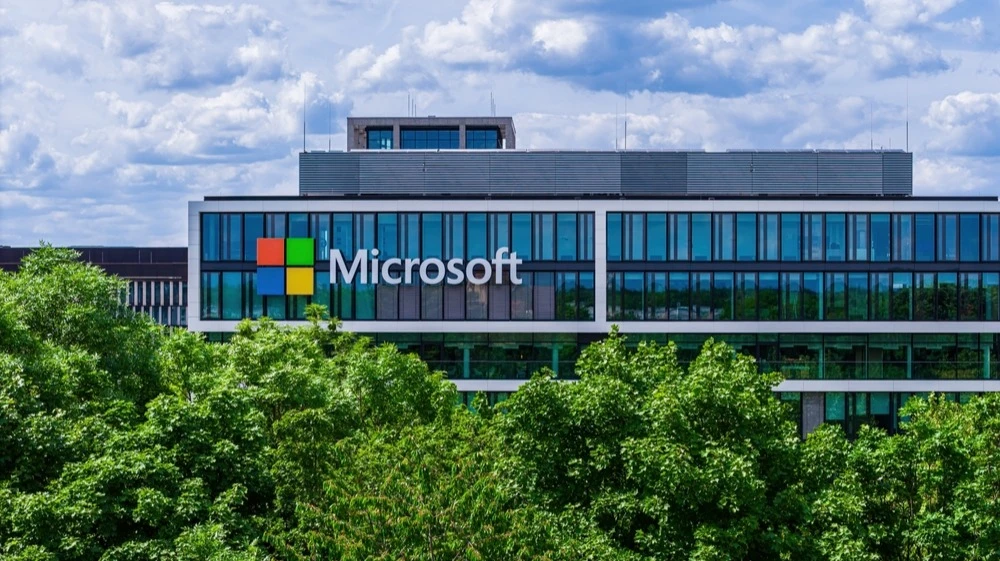
Bernstein Analyst Expects Microsoft's Market Capitalization to Grow by 30% / Photo: Framalicious / Shutterstock
Bernstein analyst Mark Merdler raised his price target for Microsoft shares to $660, which implies a 30% increase from the latest closing price. In his view, the market is overestimating the risks associated with the company’s massive AI spending: the analyst described its investment approach as prudent, according to MarketWatch.
The 30% rise in Microsoft’s stock price since the release of its strong results for the previous quarter in late July is just the beginning of a larger rally, according to Merdler. Even with this jump, the stock is still trading at a significant discount to its historical levels, the analyst explained. The forward P/E ratio, which reflects the relationship between the stock price and earnings, currently stands at 25. A year earlier, it had reached 33.
Where does Bernstein see room for improvement?
Over the past quarter, Microsoft’s capital expenditures and costs for long-term infrastructure leases—including those for AI—totaled $41 billion, which was less than the market had expected, according to MarketWatch. In addition, the company extended the estimated useful life of its data centers from 15 to 25 years, which helped reduce long-term costs.
Nevertheless, investors remain concerned that the tech giant is over-expanding its AI capabilities. Merdler calls these fears a “misunderstanding” of Microsoft’s business trajectory.
According to the results of the most recent fiscal year, Microsoft’s future commitments for leasing data centers and other infrastructure rose by 255% to $329.1 billion. However, Merdler points out that these contracts are spread over a seven-year period—from 2027 to 2033—and lease terms range from one year to 20 years. As a result, expenses will grow at a “reasonable rate of around 15% per year,” which is in line with the company’s historical performance, the analyst calculated. In addition, many contracts include a termination clause in the event of construction delays.
Microsoft’s equipment procurement strategy also gives the company room to maneuver. In the current fiscal year, suppliers are expected to deliver $169 billion worth of chips, electricity, cooling systems, and other AI infrastructure components. Starting next year, the total volume of contracted purchases will amount to just $25 billion. This limits long-term risks, according to Merdler. If concerns about a bubble in the AI market prove valid and demand falls short of expectations, the company will remain bound primarily by its data center lease commitments but will be able to forgo large-scale purchases of specialized AI equipment in subsequent years. It is precisely this equipment that accounts for a significantly larger portion of the costs, the analyst noted.
That said, the data centers would not necessarily become redundant in such a scenario: Microsoft could use their capacity for its cloud business and internal operations. According to Bernstein’s estimates, AI accounted for only about 17% of the company’s commercial cloud revenue in fiscal year 2026. Thus, traditional cloud services remain the main driver of its growth.
“Microsoft isn’t building too quickly. On the contrary, it takes a surprisingly measured approach, taking into account current demand signals and its ability to easily repurpose capacity,” the strategist concludes.
This article was AI-translated and verified by a human editor