"A Huge Breakthrough": Intel Has Found Its First Customer for Its Cutting-Edge Chips
This is an important step in competing with TSMC in the semiconductor foundry market

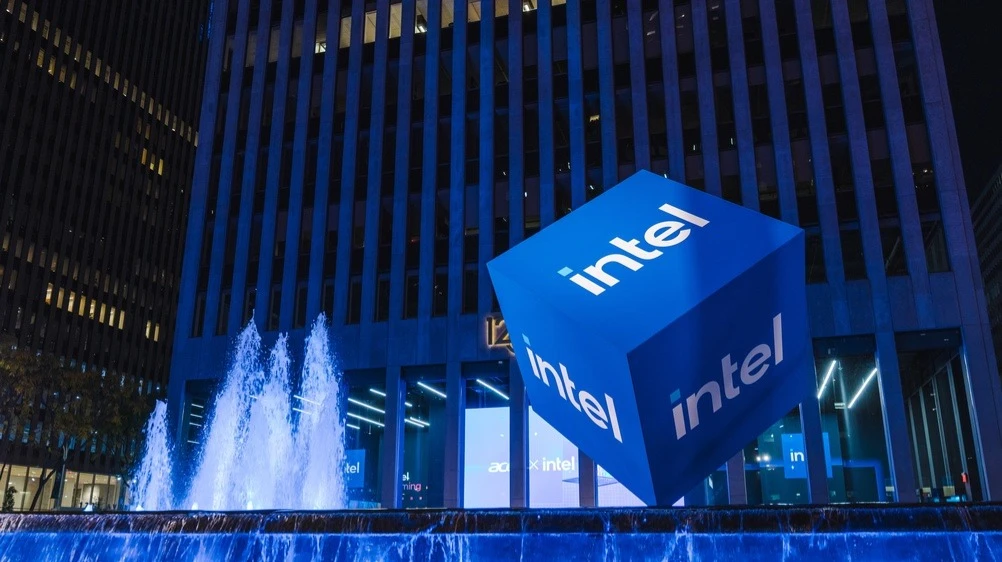
U.S. semiconductor manufacturer Intel has signed its first contract to produce cutting-edge 18A chips / Photo: StockMediaSeller/Shutterstock
U.S. semiconductor manufacturer Intel has signed its first contract to produce cutting-edge chips for a third-party customer, according to CNBC. This is a landmark event for the company as it works to regain its leadership position and compete with the market leader in custom chips—Taiwan’s TSMC. The client’s name is being kept secret for now, but analysts are already calling the deal a massive breakthrough.
Details
Intel has signed a contract with its first external customer to supply chips manufactured using the latest 18A process technology, said the company's CEO, Lip-Bu Tan. He did not disclose the customer's name.
Trial production of chips using this technology began back in June. In May, it was reported that Apple was close to reaching an agreement to have some of the processors for its devices manufactured at Intel’s facilities, as CNBC notes.
The chipmaker's stock jumped 4.4% in pre-market trading in New York.
Why Is This Important?
Intel is actively trying to revitalize its struggling semiconductor business. After many years of setbacks and quality issues with its chips—which led to the loss of what was once a significant market share—the company has placed its bets on the 18A process, hoping it will help turn the situation around. This has been its biggest technological upgrade in a decade.
However, Intel’s foundry division has not had any major clients to date. The company has been keeping its factories—including its large-scale new campus in Arizona—busy primarily with its own orders, according to CNBC. “This is a huge breakthrough for their foundry business,” commented Ben Bajarin, an analyst at Creative Strategies.
When discussing who exactly might have struck this deal with Intel, Bajarin named Nvidia, Apple, and the largest cloud providers that are developing their own processors. “Amazon, Microsoft, and Google are facing a shortage of TSMC capacity to realize their ambitions,” the analyst noted. “It makes sense that they are looking for alternative manufacturing partners, at least for some of their orders.”
In late October, Lip-Bu Tan predicted that the global server processor market would grow fivefold over the next five years—to approximately $200 billion. However, he acknowledged that Intel is currently unable to meet existing demand.
What's happening with the stocks?
Investors have recently lost interest in Intel; since late September, its market capitalization has more than halved. The sharpest decline in the company’s history occurred late last month, when it warned that, due to falling demand for PCs and supply chain issues, revenue for the current quarter would fall short of analysts’ forecasts by at least $1 billion.
Wall Street remains cautious about the chipmaker’s performance: 31 out of 51 analysts recommend holding the position in these shares, neither reducing nor increasing it. There are 19 recommendations to buy Intel stock, while one analyst suggests selling. At the same time, the average price target implies growth potential of nearly 70% relative to the closing price on November 18.
This article was AI-translated and verified by a human editor