"A reason for optimism": how the war in Iran and the ruble will affect the Russian economy

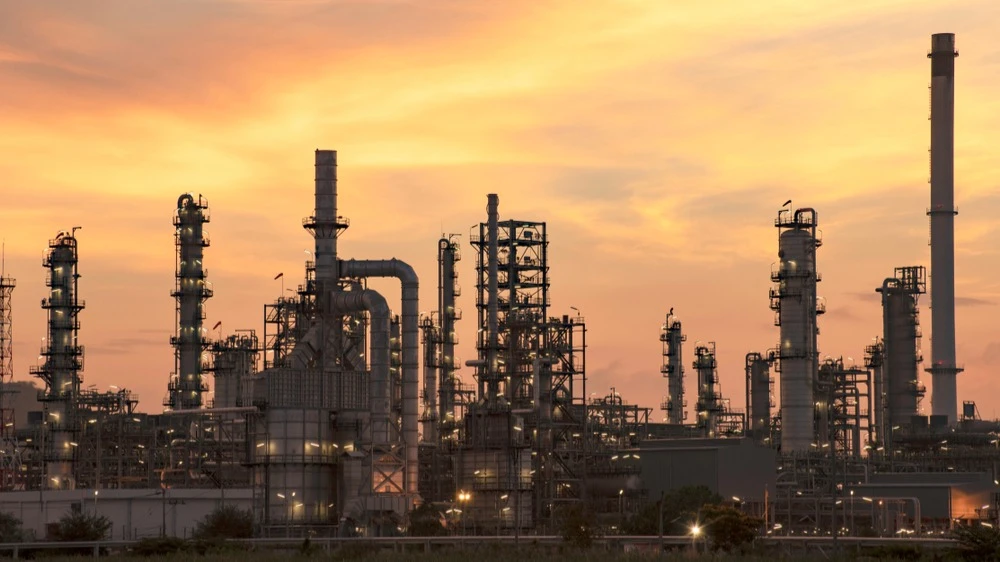
Disruptions in Middle Eastern oil supplies may increase demand for Russian energy resources / Photo: Shutterstock.com
The escalation of the conflict in Iran has led to higher energy prices and increased geopolitical risks: it is unclear how long the crisis will last and how much the region's energy infrastructure will be affected. One of the few beneficiaries may be Russia.
Oil
After the start of the bombing, Brent oil prices rose by more than 10% to $80 per barrel, and oil companies' shares were the leaders of growth on the Moscow Exchange. The market fears the closure of the Strait of Hormuz, through which a fifth of oil shipments pass, and strikes by the Islamic Revolutionary Guard Corps on the oil and gas infrastructure of neighboring countries, explains Sergey Sergey Pigarev, senior analyst at Freedom Finance Global.
One of the possible beneficiaries of the conflict could be Russia, as India and China may increase their dependence on Russian energy resources in the conditions of disruptions in supplies of Middle Eastern oil, according to experts of the analytical company Kpler.
China has accumulated large strategic oil reserves, so there is no urgent need to increase supplies, but India is likely to make additional demand for oil - mainly due to the strong decline in January-February, says Oleg Shibanov, professor of finance at NESh. At the same time, in his opinion, the discount will decrease: any oil will be needed by all market participants for some time, so the compensation for the risks of sanctions should decrease. Shibanov predicts that the average discount of Russian oil in 2026 will be about $10 per barrel against Brent (before the war in Iran, according to Bloomberg, the average discount on Urals was already more than $30 per barrel). In addition, he admits that in the near future the "shadow fleet" will be restricted less strictly than before the aggravation of the situation around Iran.
Economist Yevgeny Nadorshin believes that tensions over supplies from the Middle East could delay India's switch to non-Russian oil, while the impeded navigation through the Suez Canal could raise coal prices. In addition, this is a good opportunity for Russia to sell off oil stocks that are already in tankers. Since the Russian market is largely made up of energy stocks, this is a reason for optimism, he believes.
Gas
Russia can benefit not only from the situation on the oil market, but also on the gas market. Because of the Iranian drone attack, QatarEnergy, the world's largest LNG producer, said it was halting liquefied natural gas production at Ras Laffan and Mesaieed. "If Qatari LNG supplies are curtailed, Russia could be the main beneficiary," Politico quoted Ana Maria Haller-Makarjevic, an analyst at the US-based Institute for Energy Economics and Financial Analysis, as saying. She believes that Russia could redirect gas exports to states that used to buy gas from Qatar.
Ruble
If the conflict follows a harsh scenario - with the blocking of the Persian Gulf, the involvement of the UAE and Saudi Arabia, and a rise in prices to $100 per barrel - the ruble could strengthen significantly for several months, even despite the budget rule, writes financier Yevgeny Kogan in his Bitkogan channel. But the speculative effect will quickly come to naught, because fundamentally the balance of supply and demand for currency does not change much, he believes. And by the end of the year, due to internal reasons (lower interest rates, increased demand for imports, tightening of the budget rule), he sees grounds for a marked weakening of the ruble, up to 90 rubles per dollar.
Perspective
Situationally, the situation around Iran looks positive for the Russian economy: Russian oil is more expensive and there is less discretion in choosing suppliers in key Asian markets, says Anton Tabakh, chief economist at Expert RA and associate professor of economics at Moscow State University. However, the economy is inertial and does not react immediately to many events - everything will depend on the duration and depth of the conflict, he notes
Yevgeny Nadorshin believes that in the long term, the actions of the U.S. administration accelerate the process of de-globalization and signal to countries not about the possibility of development, but about the need to invest in defense and armaments. Nadorshin fears that this trend may lead to a slowdown in global economic growth rates up to recession and trigger a trend towards cheap raw materials.
This article was AI-translated and verified by a human editor